NGOs call on governments for more resilient cooling sector jobs on World Refrigeration Day




Cooling technologies are vital for a functioning society – refrigeration for food and medicine, air-conditioning to adapt to a warming planet and heat pumps for decarbonised heating.
But the refrigerants inside these technologies can exacerbate climate change, some of them hundreds or thousands times worse than carbon dioxide over a short time frame.
Fortunately, there are alternatives – natural refrigerants have lower emissions and can be more energy efficient.
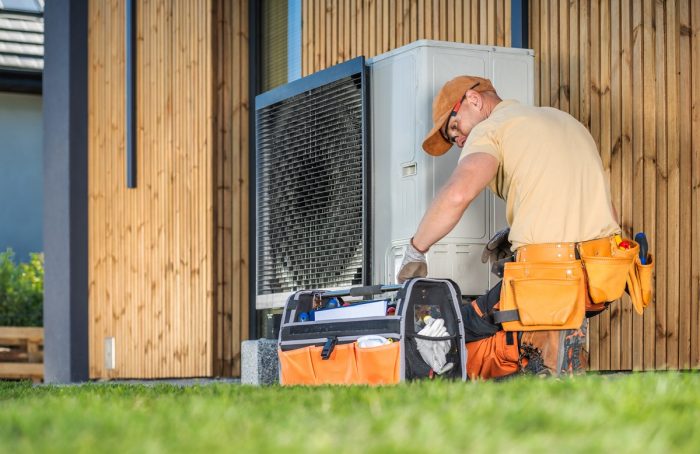
Installing a heat pump
One of the key barriers to the uptake of natural refrigerants has been the lack of appropriately trained and certified installers and technicians. Put simply, we cannot transition to sustainable cooling without them.
Natural refrigerants have distinct properties which require specialised knowledge and training on handling them safely. For the success of sustainable cooling technologies, certification and training must extend to the installation, servicing, maintenance, repair, decommissioning, leak checks and the recovery of natural refrigerants.
It is anticipated that new certification measures will create new green jobs and enable the transition to low-emissions societies.
In the EU, new legislation compels member states to establish or adapt certification programmes and ensure that training is available. However, progress is lagging and the most recent data shows on average only 12-29 per cent of the EU workforce are certified for natural refrigerants.
In the UK, there are ongoing delays to reforms around regulations to promote sustainable cooling and there are currently no Government strategies for upskilling the workforce to prepare for natural refrigerant technologies. As these technologies expand from European markets, British businesses and workers will fall behind.
On this World Refrigeration Day 2026, the EIA, the European Environmental Bureau (EU-wide), Legambiente (Italy), ZERO (Portugal) and ECODES (Spain) call on governments to fully establish training and certification programmes for technicians and to accelerate the transition to technologies which use natural refrigerants.