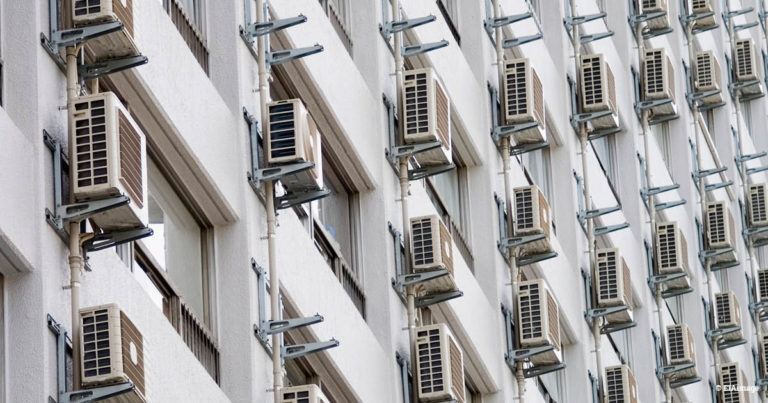
What you need to know about air-conditioning that won’t exacerbate climate change




The UK is this week in the midst of yet another unseasonal heatwave – and with global temperatures rising every year, it’s only going to get worse.
Many people around the world are turning to air-conditioning to find some relief from the heat, but air-conditioning is itself a part of the problem as it also contributes to warming the planet.
EIA has a long track record of investigating the impacts of cooling technologies and here we present five alternative tips for staying cool, four of the hidden impacts of air-con and three policy changes we need now to ensure cooling doesn’t boil Britain.

Scorched grass in Greenwich Park, London, during a heatwave in August 2022 (c) Alisdare Hickson (used under Creative Commons Attribution-Share Alike 2.0 Generic license)
1. Stay hydrated – drink plenty of liquids and try to minimise alcohol consumption.
2. Use a fan – position a bowl of ice below a regular room fan to circulate cool air.
3. Keep windows and curtains closed during the day – this can insulate your home from the highest daytime temperatures.
4. Open the windows at night – if possible, open windows at opposite sides of your home to allow a current of air flow.
5. Place pillow covers in the fridge before nighttime and socks in the fridge during the day.
If you buy an air-conditioner, make sure it is run on natural refrigerants. Look out for the label – you want it to say R290. Point 2 in the section below explains why.
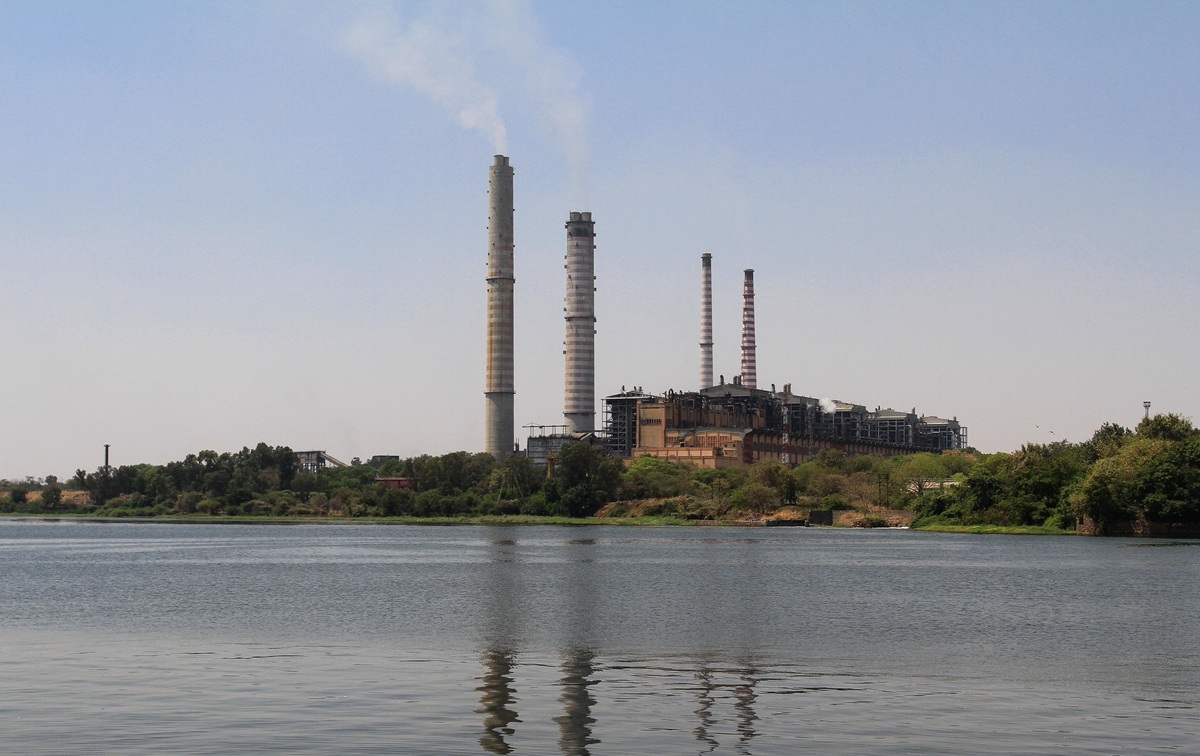
Coal fired electric plant on the banks of the Chambal River, India (c) Carol Mitchell (used under CC BY-NC-ND 2.0)
1. Air-conditioning is a double-edged sword when it comes to heating the planet. Firstly, through energy consumption; according to the International Energy Agency, air-con and fans already consume one-fifth of all the energy used in buildings globally. In countries such as India, where 70 per cent of energy comes from coal-fired plants, increased energy use means increased burning of fossil fuels, exacerbating future heatwaves. Closer to home, the UK grid is not designed to support the widespread use of air-con, which will ultimately increase our overall energy consumption and further contribute to UK greenhouse gas emissions and the climate crisis.
2. Secondly, air-conditioners run on refrigerants and often these refrigerants are fluorinated gases, or F-gases. F-gases can have global warming impacts hundreds or thousands of times worse than carbon dioxide, making them some of the most potent greenhouse gases we commonly use. A third of the climate impact of cooling comes from the leakage of these refrigerant gases. Luckily, there are alternatives and EIA advocates for the use of natural refrigerants such as R290.
3. Some of these damaging F-gases are smuggled illegally into Europe and the UK. Air-conditioning manufacturers are advised to use natural refrigerants, so they are not accidentally installing illegal gases into homes. EIA has investigated the illegal trade of refrigerants for years and, with the EU phasing out more F-gases in 2027, this black market is set to grow.
4. Cooling is another example of how inequality manifests in the impacts of global warming. Those who might most need air-conditioning may not be able to afford it. Moreover, increasing the number of air-conditioning units in cities will increase the urban heat island effect because air-conditioners take heat out of a home and transfer it outside, meaning those who cool their homes will be heating up the environment for everyone else.
What can we do? There are some steps that the UK Government can take now to mitigate the issues with air-conditioning and make cooling fairer for everyone.

Urban tree-planning for shade
1. Establish a National Cooling Strategy, with buy-in from all Government departments, to lay out long-term plans for mitigation and adaptation to rising heat:
2. Introduce more ambitious plans to phase out F-gases. The UK Government has been promising reforms to its F-Gas Regulation for years – it’s time to stop putting them on ice.
3. Rapidly accelerate emissions reductions across the UK economy in line with the goals of the Paris Agreement, because the sooner we stop emitting greenhouse gases the sooner we stop contributing to the frequency and intensity of extreme heatwaves.