Reflections on Paris + 10
Ten years ago, on 12 December 2015, 195 governments adopted the Paris Agreement at the 21st UN Climate Change Conference (CoP21). A decade on, it is time for both reflection and renewal.
- Areas of work:
- Campaigns:



Ten years ago, on 12 December 2015, 195 governments adopted the Paris Agreement at the 21st UN Climate Change Conference (CoP21). A decade on, it is time for both reflection and renewal.
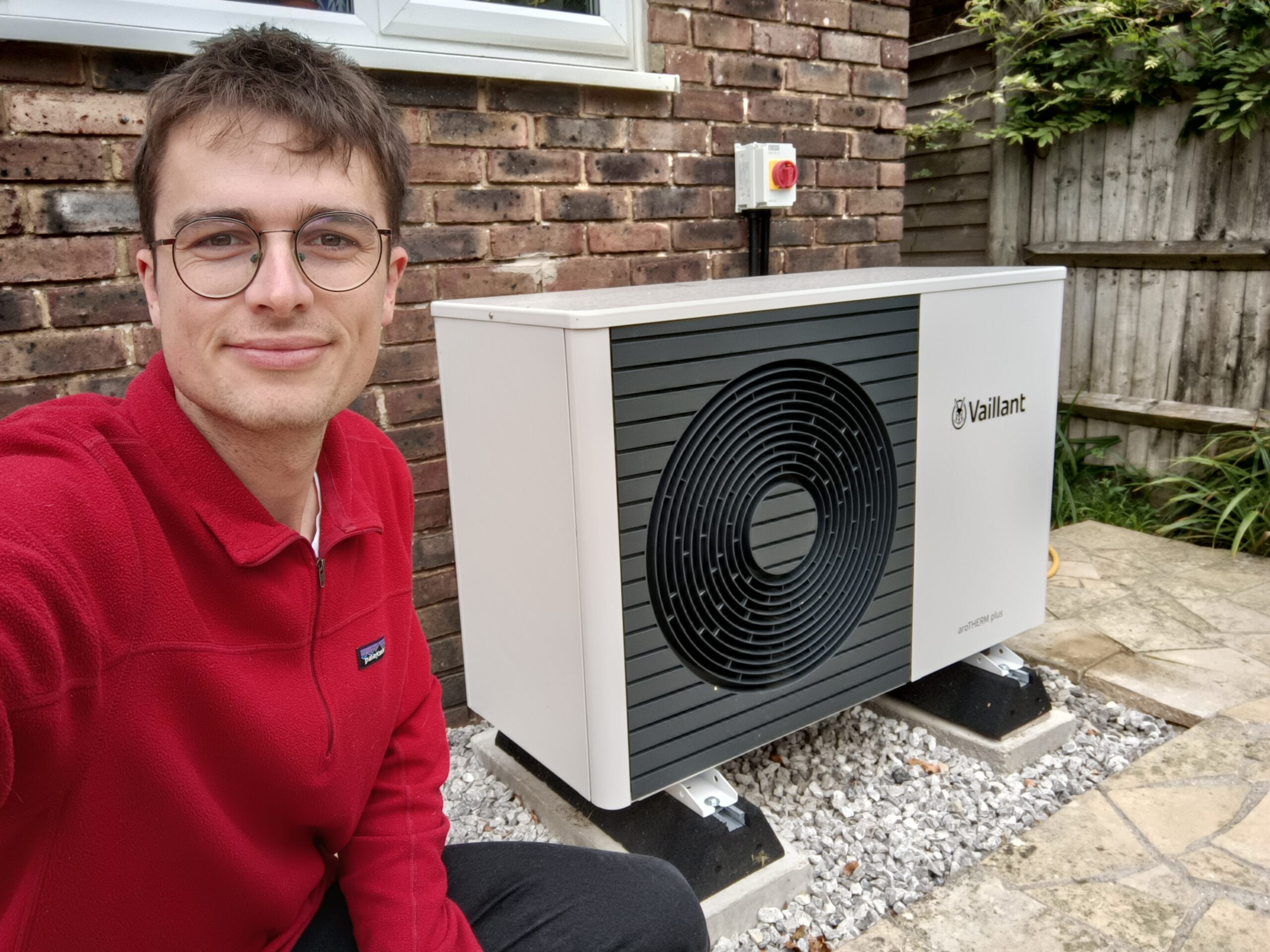
To mark UK Heat Pump Week, EIA Climate Campaigner Adam Aucock shares his experience of getting a climate-friendly natural refrigerant heat pump installed in his home. Within a few months of my recent house move, a major leak in our hot water system left us with some very wet carpets and in need of […]
It’s almost 100 years since Thomas Midgley Jr. first synthesised chlorofluorocarbons (CFCs). It was 1928 and he was working for General Motors, looking for a safe refrigerant to avoid using flammable or toxic alternatives. General Motors and Dupont soon began producing ‘Freon’ chemicals, which quickly dominated the market for refrigerants and also found wide use […]

In April 2008, the Environmental Investigation Agency (EIA) released a landmark report, Environmental Crime – A Threat to Our Future. The report brought together key evidence across a range of crime types – from illegal logging and wildlife trafficking to pollution and climate crimes – highlighting the role of corruption and the critical need for […]
Saturday (22 March) is the 40-year anniversary of the signing of the Vienna Convention for the Protection of the Ozone Layer, an achievement which has stood for four decades as an inspiration for multilateral environmental action. The Vienna Convention was established in response to scientific evidence that man-made chemicals, particularly chlorofluorocarbons (CFCs), were causing significant […]
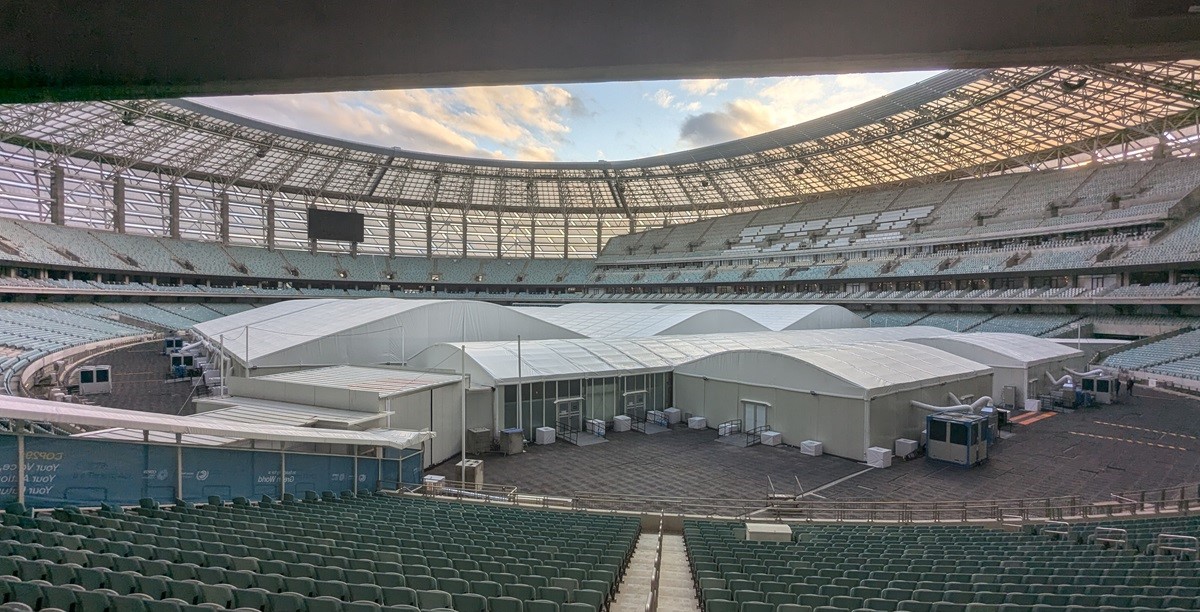
As we approach the end of another year defined by record-breaking global temperatures and deadly natural disasters, turbo-charged by the escalating climate crisis, some 50,000 people have descended on Baku in Azerbaijan for the 29th annual UN Climate Change Conference (CoP29). For the third year in a row, EIA has looked into the systems being […]