Vigilance, cooperation and robust enforcement essential to combat illegal timber trade


For more than a decade, the illegal trade in Burmese teak has stood as a stark example of how environmental crime, corruption and conflict intersect within global markets.
Recent enforcement actions in Europe and the US mark an important shift – authorities are increasingly recognising that importing timber linked to military-controlled supply chains is not simply a paperwork issue or a technical breach of trade rules, it’s a matter of accountability, human rights and international security.
Recent guilty pleas by luxury yacht companies in the US for violations of the Lacey Act enforcement actions against Burmese teak imports from conflict-torn Myanmar demonstrate the importance of robust environmental laws backed by meaningful enforcement.
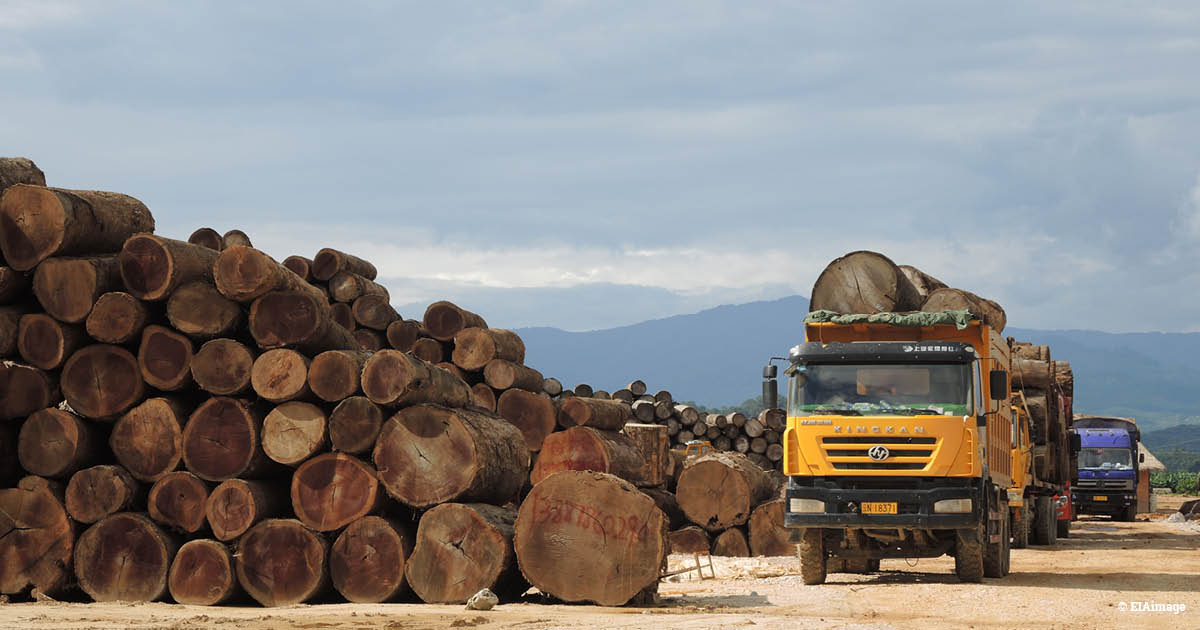
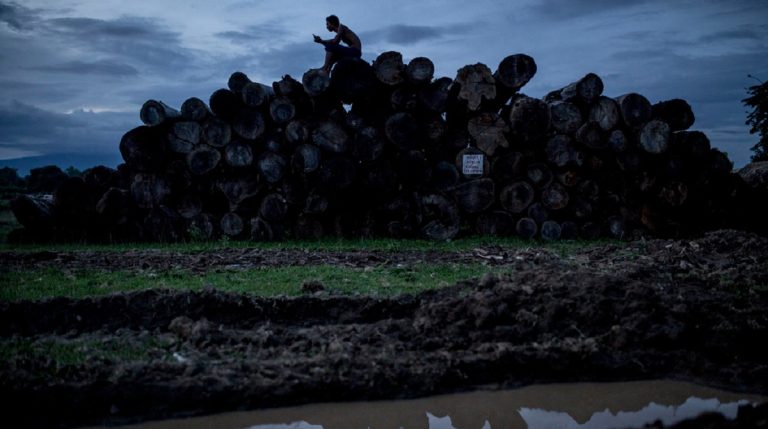
Fresh teak logs, Nongdao, China, June 2015 (c) EIA
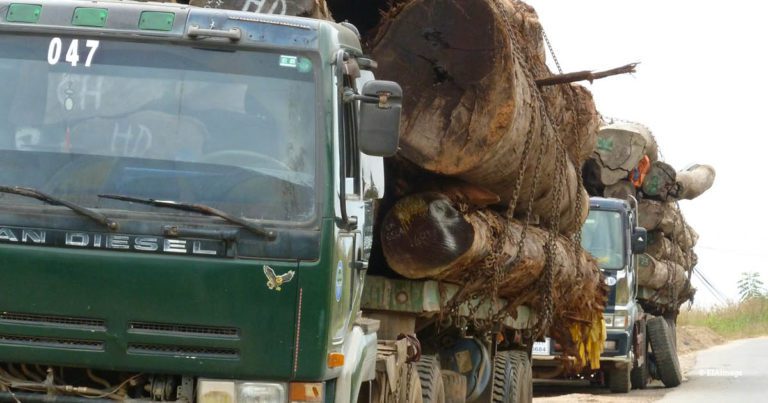
The cases showed how teak sourced from Myanmar has continued to enter international supply chains despite sanctions, widespread public reporting and long-standing evidence of corruption and abuse linked to the country’s timber sector.
The message from enforcement authorities is clear – companies cannot claim ignorance when operating in high-risk environments, nor can they outsource responsibility through layers of brokers, intermediaries or opaque supply chains.
Myanmar’s teak sector has long been deeply entangled with military control, conflict financing and human rights abuses. Since the 2021 military coup, revenues from the extraction and sale of teak via the state-controlled Myanmar Timber Enterprise have continued to provide financial benefit to junta-controlled structures accused of widespread atrocities, including attacks on civilians, arbitrary detention and the destruction of communities.
At the same time, forests in Myanmar – among the most ecologically significant in Asia – continue to face severe degradation as a result of illegal logging, weak governance and conflict.
This is why recent enforcement matters beyond the timber sector alone. These cases demonstrate how environmental laws such as the EU Timber Regulation and the US Lacey Act amendments can play a critical role in addressing wider harms. When effectively enforced, such laws help disrupt the financial flows linked to environmental crime, corruption and conflict. They also create incentives for companies to strengthen due diligence, improve supply-chain transparency and take responsibility for the social and environmental impacts of their sourcing decisions.
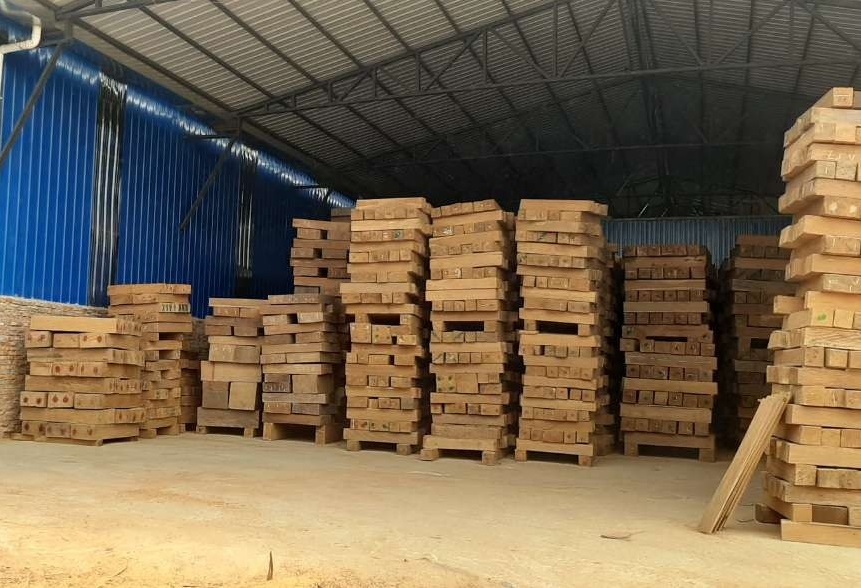
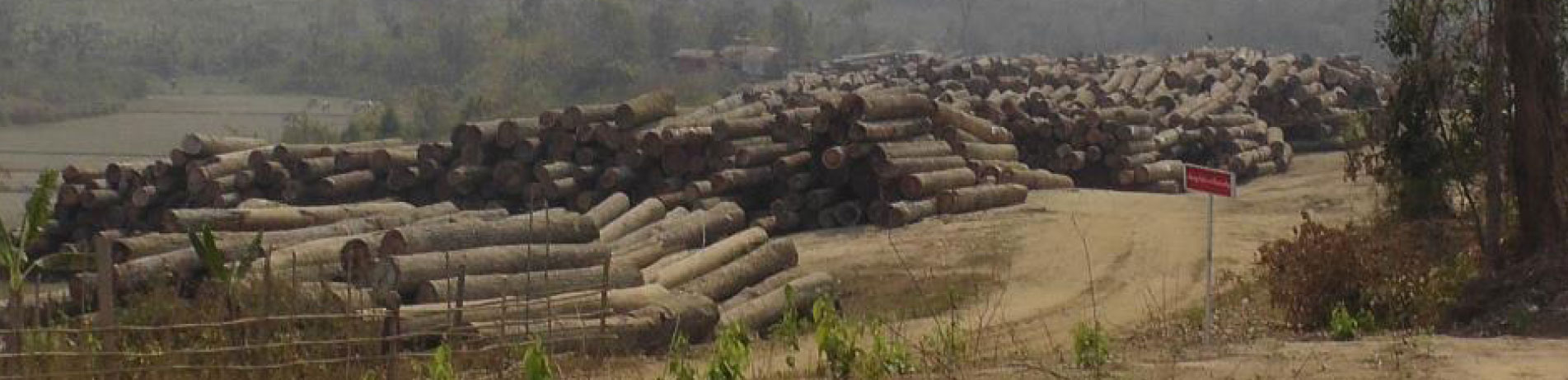
Timber in a sawmill warehouse near the border between Myanmar and China (c) EIA
Importantly, these actions also show the growing value of international coordination. Illegal timber trade is inherently transnational – timber harvested in one country may be laundered through several others before reaching consumers in Europe, North America or elsewhere. Tackling these networks requires cooperation between customs authorities, environmental regulators, financial investigators and prosecutors across jurisdictions. It also requires the sharing of intelligence and evidence between governments, civil society organisations and investigative bodies.
The Burmese teak cases have highlighted the importance of sustained collaboration between enforcement agencies in Europe and the US, alongside years of investigative work by civil society and journalists. No single law or country can tackle these supply chains alone, but coordinated action can significantly raise the risks for companies that continue to source from high-risk and conflict-linked sectors.
However, the cases also expose a continuing weakness in the global response to environmental crime – penalties often remain too low to act as a genuine deterrent.
In the case involving Sunseeker International, the reported financial penalty of approximately $200,000 is negligible when compared to the multimillion-dollar value of the Burmese teak trade and the profits associated with the luxury yacht sector.
Where penalties are treated merely as a cost of doing business, they risk failing to change corporate behaviour. If governments are serious about tackling illegal logging and conflict-linked supply chains, enforcement must include sanctions and financial penalties proportionate to the scale of the harm, the profits generated and the wider environmental and human rights impacts involved.
These cases should also serve as a warning to companies operating in other forest-risk commodity sectors.

Teak decking on a yacht
Increasingly, regulators, investors and the public expect businesses to understand not only where products come from, but also the governance conditions under which they are produced. Corporate responsibility today extends beyond legality on paper; it includes assessing links to corruption, land rights abuses, violence against Indigenous Peoples and Local Communities, environmental destruction and conflict financing.
This is particularly important at a time when governments are debating the future of environmental due diligence laws, including efforts to weaken or delay regulations such as the EU Deforestation Regulation.
The Burmese teak cases demonstrate precisely why strong laws matter. Without enforceable obligations, high-risk commodities will continue to flow into global markets with little scrutiny, while companies willing to ignore the risks gain an unfair competitive advantage over those investing in responsible sourcing.
Environmental crime is far from victimless. Illegal logging contributes to biodiversity collapse, accelerates climate change and undermines the rights and livelihoods of forest-dependent communities. In conflict-affected regions, it can also fuel instability, corruption and violence. Forest governance, therefore, cannot be separated from broader questions of security, justice and human rights.
The recent enforcement actions on Burmese teak should be viewed as a milestone — but not as the end of the story. Continued vigilance, stronger international cooperation and robust enforcement remain essential. So too does political willingness to defend and strengthen environmental laws in the face of growing pressure to roll them back.
Ultimately, these cases show that accountability is possible. When governments enforce the law, when companies are required to conduct meaningful due diligence and when civil society investigations are taken seriously, it becomes far harder for environmental crime to hide behind complex global supply chains.
This matters not only for forests in Myanmar, but for the integrity of international markets, the protection of human rights and the credibility of global efforts to address climate change and biodiversity loss.