World Ozone Day 2026 – a chance to celebrate the impact of the Kigali Amendment



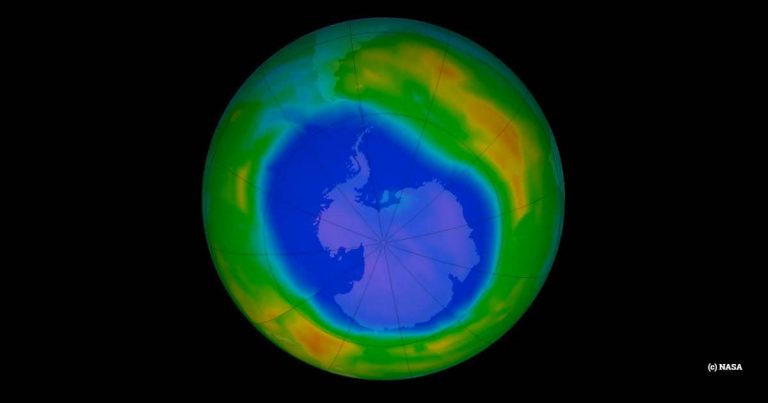
On 16 September 1987, the world came together in Montreal to protect the planet and its inhabitants from ozone-depleting chlorofluorocarbons (CFCs).
The agreement, the Montreal Protocol, went on to become the world’s most successful environmental treaty ever and is now marked each year by the International Day for the Preservation of the Ozone Layer, and 2026 is a particularly special anniversary to commemorate.
Ten years ago, Montreal Protocol member states at the Meeting of Parties in Kigali, Rwanda agreed to amend the agreement to extend the same protections against the chemical cousins of CFCs, hydrofluorocarbon (HFCs) refrigerants commonly used in cooling equipment.

Although HFCs do not have ozone-harming properties, they are nevertheless extremely powerful greenhouse gases, sometimes tens of thousands of times more potent than carbon dioxide. One-third of emissions from cooling technologies comes from refrigerants, so the Kigali Amendment was a vital piece of the puzzle in the fight against global warming.
In the decade that followed, EIA has worked to make sure the Kigali Amendment delivers on its promise to phase down the use of HFCs. Alongside frustrating challenges, there have been some big wins worth celebrating.
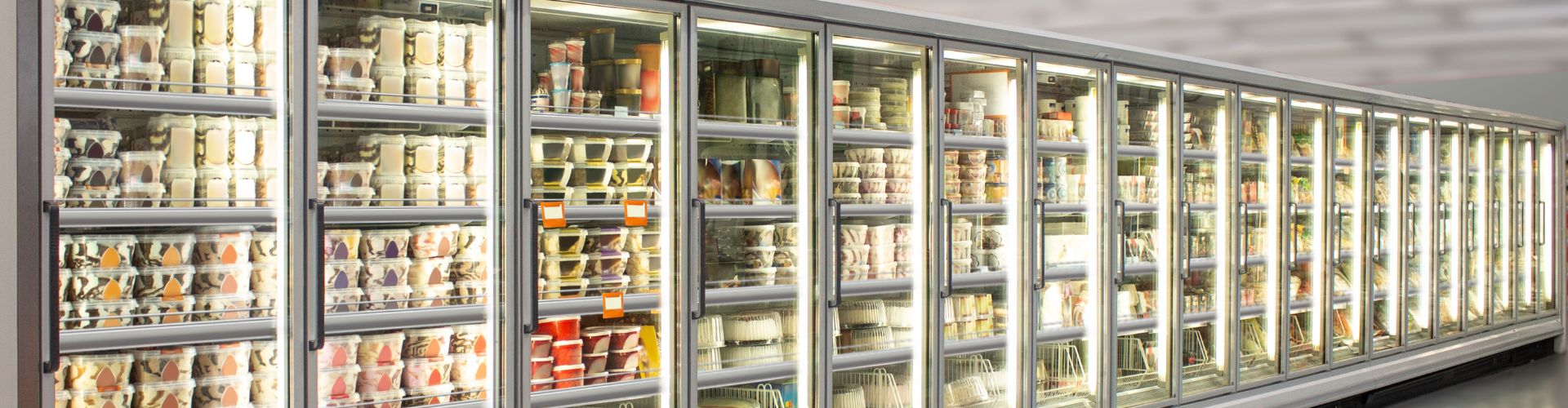
As we mark 10 years of sustainable cooling under the Kigali Amendment, I want to shine a light on one success in particular, the transformation of supermarket refrigeration and the huge reductions in HFCs it has delivered.
EIA has been working with supermarkets since 2009 to reduce the impact of their cooling systems, with supermarket progress documented in our series of Chilling Facts reports.
The first report revealed that supermarkets were the biggest source of HFC emissions in the UK, putting out the equivalent of two million tonnes of carbon dioxide every year. Moreover, only 14 stores were using the natural refrigerant R744 (CO2) as a climate-friendly alternative. Following our engagement with retailers, the use of CO2 in UK stores rose to 239 in 2011, 428 in 2013 and has continued to increase rapidly.
Fast forward to 2025 and ATMO reported that about 106,000 stores in Europe were using CO2 systems, up from about 1,000 in 2013, as found by EIA. This now represents about 34 per cent of all stores in Europe.
Credit must be given to the supermarkets themselves, which found innovative solutions and demonstrated what is possible when dedicated people work hard behind the scenes.
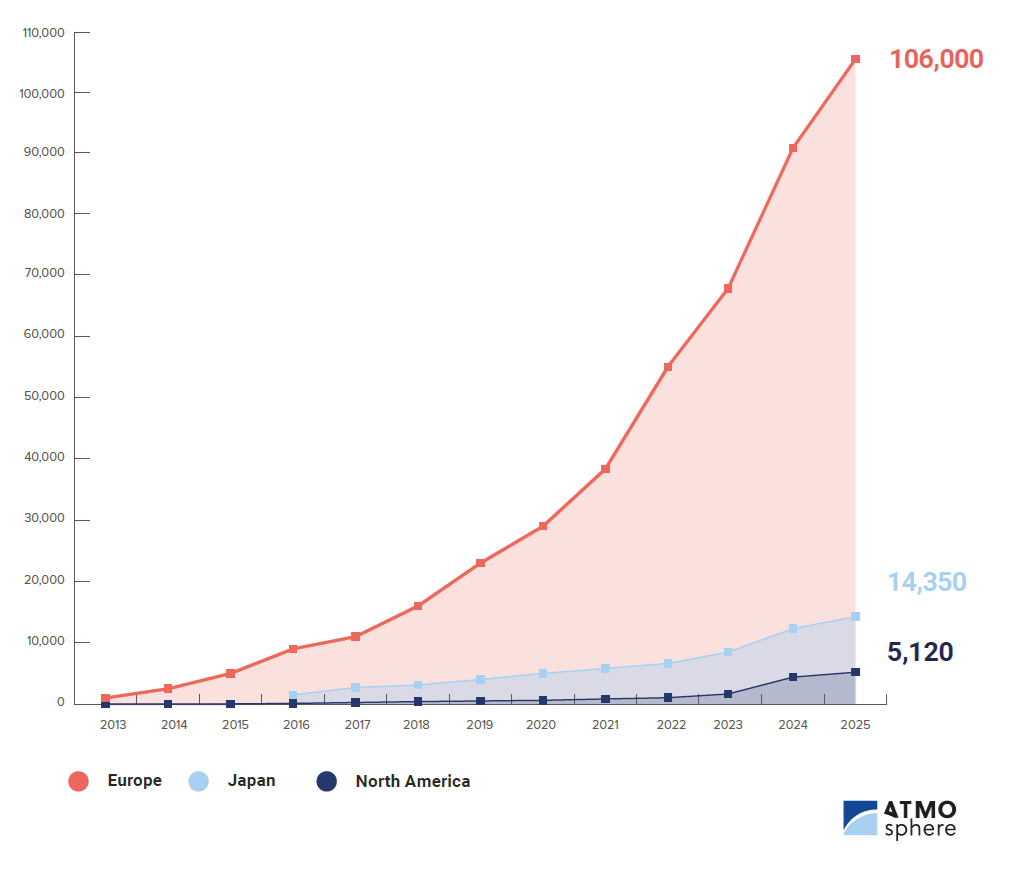
Source: ATMO
The campaign successfully demonstrated that it was feasible for natural refrigerants to take the main stage for commercial refrigeration, with policy following technical achievements; for example, the EU was able to confidently restrict HFCs in supermarket systems from 2022 because clear alternatives were available.
The phase-out has also been a success for supermarkets from an economic standpoint. A 2025 analysis of supermarket refrigeration by EIA found that significant energy savings reaped by natural refrigerant systems means the equipment can pay for itself within a 4-10 year period, which can be further reduced by adding doors to fridges.
Additionally, retailers report that these systems are coping well with the increasingly warm summers we now face, with Ahold Delhaize noting that CO₂ systems in Greece and Romania were performing well even at temperatures of up to 45°C, reinforcing the conviction that CO₂ installations are currently the right way forward, both environmentally and in terms of energy consumption.
Using climate-friendly refrigerants also bypasses risks from illegal trade of F-gases. There is a booming illegal HFC trade in Europe – including the particularly polluting refrigerant R404A which is commonly used in supermarket systems – risking organised crime in the supply chain. Supermarkets still using HFCs will be vulnerable to illegal trade, especially next year when further policy changes make HFCs expensive and less available.
What can we learn from the success of European retailers? Firstly, that climate-friendly cooling can be resilient to warming climates, offering significant energy savings and attractive economic payback. The question is, how can these lessons help to support the shift away from F-gases beyond Europe?
Refrigeration technologies, including supermarket refrigeration, are crucial for people all around the world, but could blow climate targets wide open and warm the planet beyond repair if not handled sustainably.
In marking the 10th anniversary of the global HFC phase-down agreement, it’s important the supermarkets all around the globe understand the value of avoiding F-gas-based cooling and instead commit to natural refrigerants.
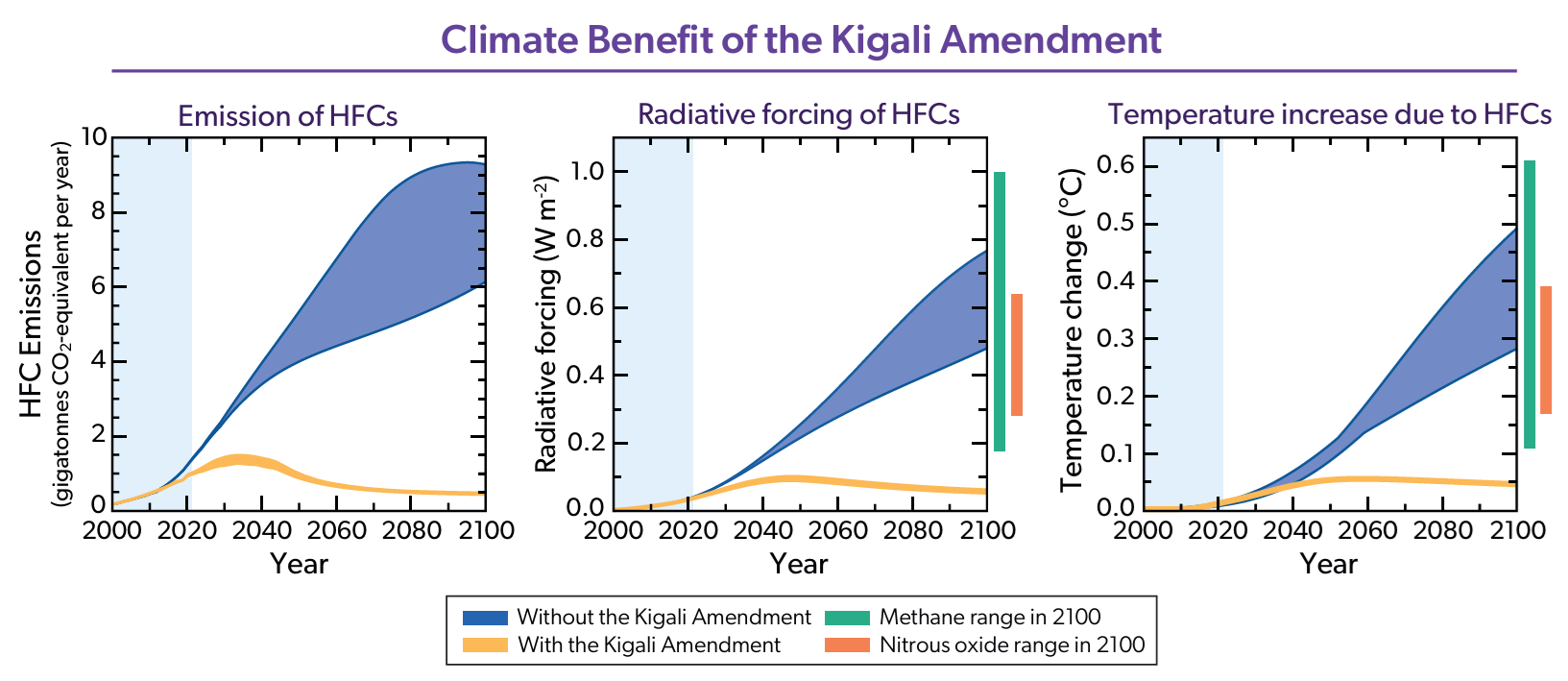
Source: UNEP
The Kigali Amendment has the potential to prevent a staggering 0.5°C of added warming within the century – and with the recent UN Environment Programme report stating that we are on track to miss the 1.5°C limit for a safe and habitable planet, every fraction of a degree matters.
Each kilo of HFC prevented from entering the atmosphere is crucial and it is worth celebrating the hard work done around the world to limit the damage of F-gas cooling technologies.