Back to Basics – Alternative Pathways
Re-energising the Global Plastics Treaty negotiations and alternative pathways
The Global Plastics Treaty negotiations have reached a decisive political moment. The election of Chile’s Julio Cordano as Chair of the Intergovernmental Negotiating Committee (INC) and the launch of a series of informal dialogues in Tokyo signal a renewed effort to rebuild trust and stalled momentum after failing to conclude negotiations in Geneva in August 2025.
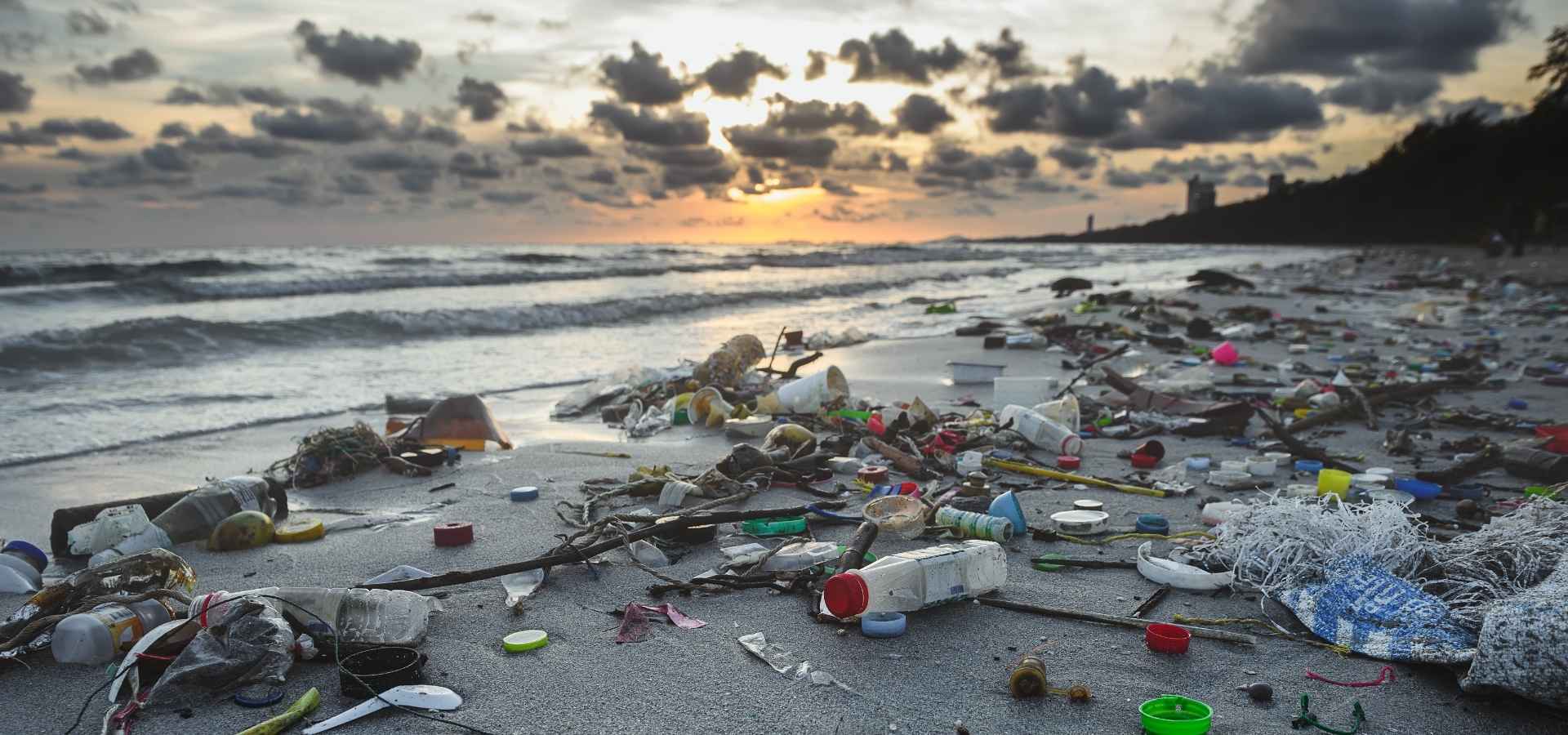
These developments come against a backdrop of rising geopolitical tensions and growing fragmentation across multilateral environmental processes, but the urgency of the plastics crisis leaves little room for delay. Plastics production continues to expand rapidly while pollution accumulates across ecosystems, economies and communities.
Three years after governments agreed on United Nations Environment Assembly (UNEA) Resolution 5/14 to negotiate a legally binding instrument to end plastic pollution, the international community faces a stark choice – either restore good-faith negotiations capable of delivering the treaty mandate or accept that alternative diplomatic pathways will need to carry the process forward.
Failure to conclude an agreement is not a neutral outcome. It would represent a political decision to allow plastic pollution to accelerate unchecked.