We’re already experiencing record-breaking heat – what about when El Niño arrives?




The UK, Europe and many other parts of the globe are already experiencing rising temperatures and more regular heatwaves – and with a higher than 90 per cent chance of the world experiencing an El Niño event this year, conditions could worsen significantly. In this special blog, EIA Climate Campaigner Joanna Sparks takes a look at the phenomena of El Niños and what we might expect this time around …
El Niño is the warm phase of the El Niño-Southern Oscillation (ENSO), a natural cycle of ocean-atmosphere interactions in the tropical Pacific.
It is powered by shifts in atmospheric air pressure and the strength of the easterly trade winds, which regulate ocean currents and sea surface temperatures.
El Niño develops at irregular intervals, roughly every two to seven years. It is characterised by warming of surface waters in the central and eastern equatorial Pacific Ocean. The cooler phase of the ENSO cycle is known as La Niña.
Hundreds of years ago, Peruvian fishermen noticed there were periods of time where the water of the Pacific Ocean became unusually warm and they would catch fewer fish.
They coined the name “El Niño de Navidad”, meaning Christ Child, because the phenomenon usually occurred around Christmas. Over time the name was shortened to El Niño (which literally translates to the ‘the little boy’).
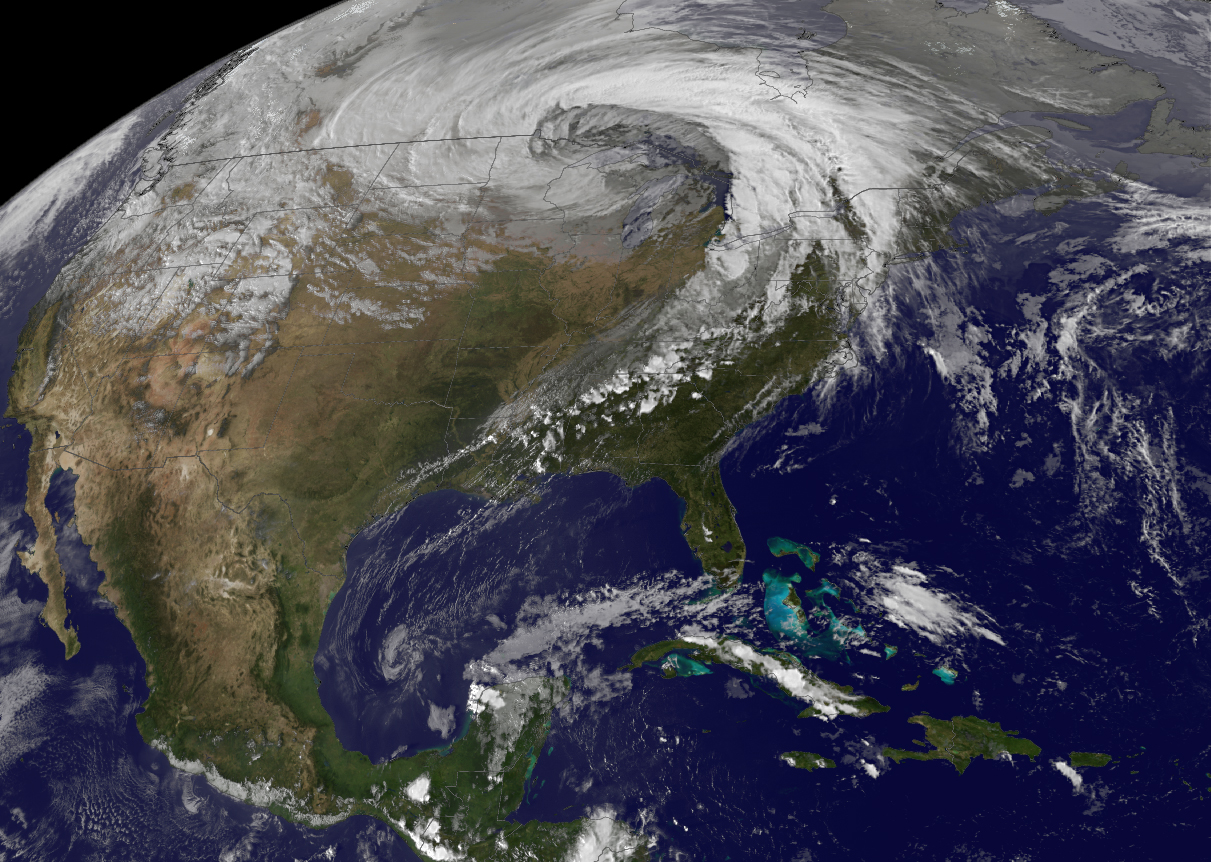
Strong cyclone over the US Midwest (c) NASA Earth Observatory
During an El Niño event, the trade winds – which normally blow east to west across the Pacific Ocean – weaken or reverse. These winds usually move warm water to the west of the equatorial Pacific. As they weaken, warm water accumulates in the central and eastern parts of the Pacific, raising ocean temperatures.
This leads to shifts in wind and rainfall, which have knock-on effects around the world. Some regions get drier, while others see more rainfall. There are often changes in tropical cyclone activity, with fewer in the Atlantic region and more over the central and eastern Pacific.
As warm water accumulates at the surface of the Pacific Ocean, it releases heat into the atmosphere and so El Niño events temporarily increase global temperatures.
The direct impacts of El Niño can be severe – flooding, mudslides, hurricanes and droughts cause major humanitarian and environmental damage and can lead to disruption in global supply chains, travel, agriculture and food security.
In the UK, the impacts of El Niño tend to be weak or indirect, but it can increase the likelihood of cold winter periods.
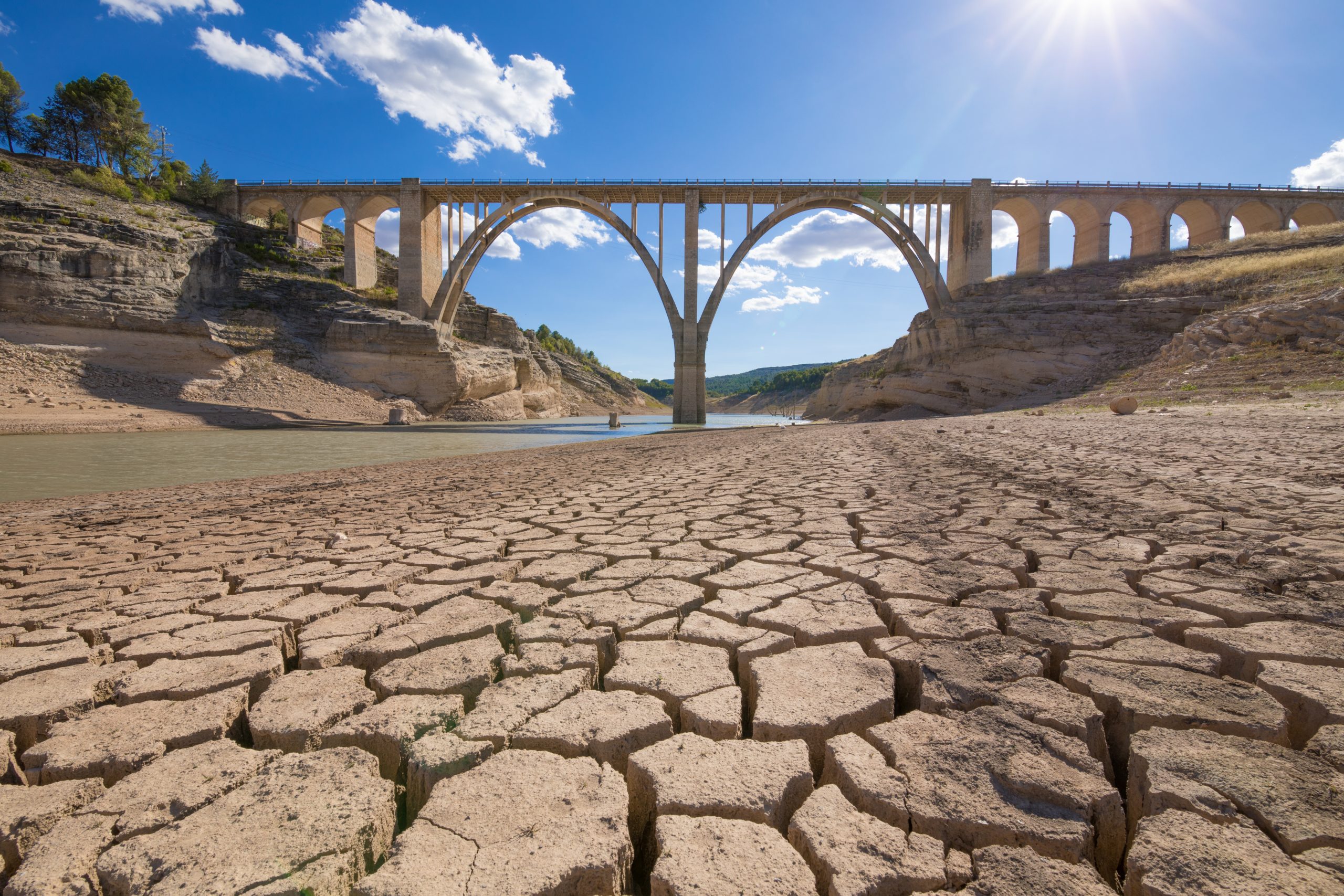
Drought conditions are just one impact of an El Niño
Forecasters began to warn of the possibility of a 2026 El Niño several months ago. By the start of July, temperatures in the Pacific Ocean were rocketing and both the National Oceanic and Atmospheric Administration (NOAA) and the UN’s World Meteorological Organization (WMO) had confirmed that El Niño conditions had begun.
Forecasts suggest the El Niño will continue to gain strength during the coming months and will last through to spring 2027. It will likely develop into a very strong El Niño, or what some are describing as a “super El Niño”, later in the year and is anticipated to turn out to be one of the strongest El Niño events ever recorded.
Past events provide an indication of the types of impacts that may occur. The two strongest and most damaging El Niño periods on record occurred in 1997-98 and 2015-16. The 2015-16 El Niño caused a surge in global temperatures, a record-breaking hurricane season in the central North Pacific and droughts in numerous countries across the Caribbean, Africa, Asia and the Pacific. There were devastating humanitarian consequences, with disproportionate impacts on many of the world’s poorest and most vulnerable populations.
Some parts of the world are already experiencing elevated temperatures and other weather phenomena consistent with, or often observed during, El Niño events.
As the El Niño strengthens, the world must prepare for the potential impacts. Extreme weather caused by El Niño is likely to impact agricultural systems; Goldman Sachs analysts suggest this could lead to a 15.8 per cent surge in global food commodity prices.
Bodies such as the Food and Agriculture Organization of the United Nations (FAO) and the World Food Programme (WFP) are already preparing to support the millions of people that are likely to be affected.

Scorched grass in Greenwich Park, London, during the August 2022 heatwave (c) Alisdare Hickson
No, the ENSO is a naturally occurring phenomenon. It has influenced Earth’s climate for thousands of years and existed long before human-driven climate change.
The relationship between climate change and the natural ENSO cycle is complex and is still being untangled by scientists.
However, climate change may amplify the impacts of El Niño events when they do occur, leading to more extreme weather events and even higher temperatures. Moreover, this potentially record-breaking El Niño adds to the burden faced by a world already struggling to adapt to the impacts of climate change.
Global temperatures are rapidly increasing due to climate change and so the additional warming in El Niño years means they are often among the hottest on record. Given the deadly heatwaves experienced in many parts of the world this year, few will be surprised to hear that 2026 is on track to be one of the hottest years on record – but the El Niño means 2027 will likely be even hotter.
So, as the world braces for the impacts of the 2026 El Niño, the fight against climate change must remain a priority, the transition away from fossil fuels must be accelerated and emissions of super pollutants drastically reduced.
The world is heading for disaster if warming continues at the current rate and the intensified impacts of El Niño periods are just one element of this.
In a recent statement, UN Secretary-General António Guterres concisely summarised the threat of El Niño and the only credible responses …
“Conditions will pour fuel on the fire of a warming world. Impacts will hit even harder, travel even farther and cross borders with devastating speed. The only effective response is climate action equal to the crisis – ending the addiction to fossil fuels, accelerating the shift to renewables, protecting the most vulnerable and delivering early warning systems for all”.