
Back to Basics – Plastic Packaging
What happened to plastic packaging in the plastics treaty negotiations?
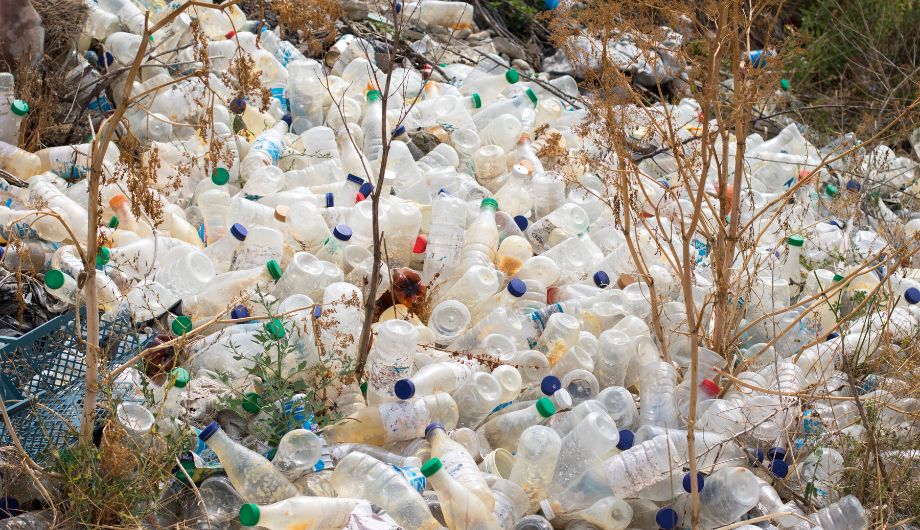
According to the UN Environment Programme report Drowning in Plastics, plastic packaging consumes roughly 44 per cent of total plastic produced, generating approximately 46 per cent of all plastic waste. Packaging is particularly problematic because it is often single-use – used for mere minutes before becoming plastic waste. Once waste, plastic packaging is landfilled (40 per cent), lost in the environment (32 per cent), incinerated (14 per cent), downcycled (eight per cent) and recycled (two per cent) – with the remainder (four per cent) lost during the recycling process. Overall, plastic packaging constitutes the majority of marine plastic pollution.
While many countries have adopted national legislation to restrict or ban single-use and short-lived plastic items such as plastic packaging, most notably in Rwanda and the European Union, the transboundary nature of the global economy compels global cooperation. This includes common rules and approaches to restrict problematic formats, harmonise design, scale alternatives and delivery systems such as reuse, enhance waste management, enable recycling and support developing countries.
UNEA Resolution 5/14 calls on member states to “promote sustainable production and consumption of plastics through, among other things, product design and environmentally sound waste management, including through resource efficiency and circular economy approaches,” within which plastic packaging squarely fits