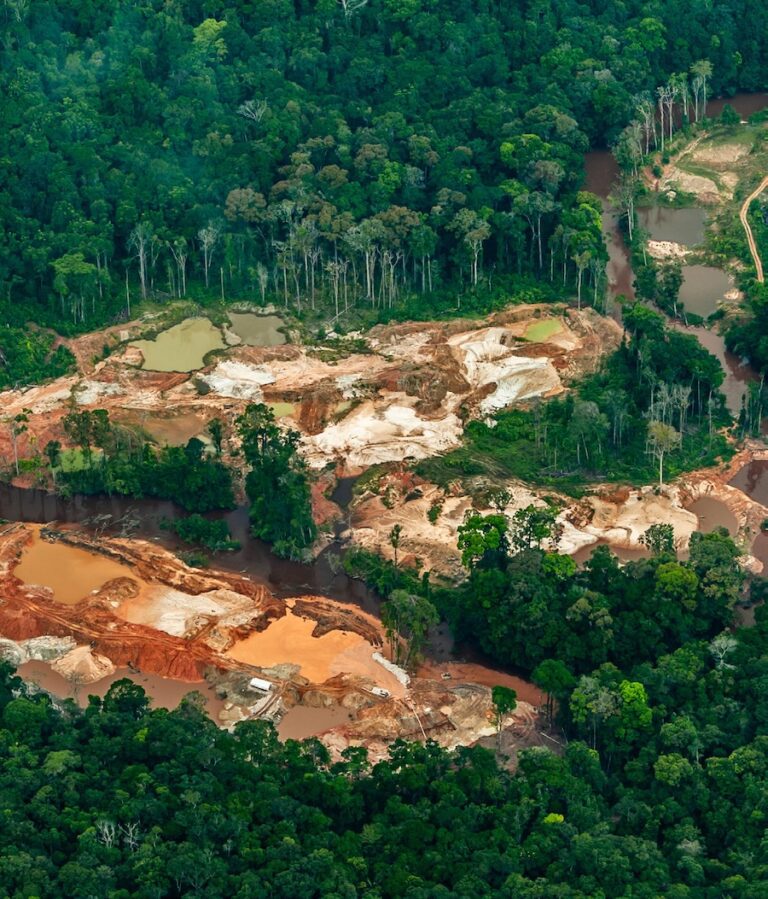
The stability of nature is a national security issue – now the UK needs to act like it




Earlier this year, a UK Government assessment put into stark terms something environmental organisations have warned about for years – the destruction of nature is no longer simply an environmental issue but also poses a threat to national security.
The assessment examined how global biodiversity loss and the collapse of critical ecosystems could affect Britain’s security, resilience and prosperity.
Its conclusions are sobering. Environmental degradation can disrupt food and water supplies, health and global supply chains, while contributing to geopolitical instability.
The Guardian highlighted what this could mean in practice – food shortages and rising prices, migration, conflict, economic insecurity and increasing competition between states for resources. Some critical ecosystems could begin collapsing within years rather than decades.
This should change how we think about nature.
Forests, wetlands, mangroves and other ecosystems are part of the infrastructure on which economies and societies depend. They regulate water and rainfall, protect soils, store carbon, support food production and sustain millions of livelihoods. When those systems fail, the consequences cascade across economies and borders.
The Government has now recognised the threat. The question is whether policy will catch up.

Food security is a major concern arising from damaged ecosystems
The UK’s security depends partly on ecosystems thousands of miles away.
Britain imports a substantial proportion of its food and relies on international supply chains stretching across regions already experiencing severe heat, floods, drought and environmental degradation. Disruption overseas can quickly translate into volatility and higher prices for UK households.
The Government assessment identified critical ecosystems supporting food production and influencing global climate, water and weather systems as particularly important to UK national security. Their degradation could contribute to water insecurity, falling crop yields, loss of arable land and fisheries and disruption to global weather patterns.
Protecting nature internationally therefore cannot be separated from building resilience at home.
But neither should we see ecosystem collapse purely as a consequence of climate change.
EIA’s investigations over more than four decades have repeatedly shown that environmental destruction is also a governance and organised crime issue.
Forests are illegally logged. Land is grabbed and cleared. Minerals are illegally or irresponsibly extracted. Commodities enter international markets through opaque supply chains. Corruption can protect those responsible, while illicit finance allows profits to move across borders.
When climate and environmental pressures weaken livelihoods and institutions, opportunities for illegal extraction and trafficking can increase. Criminal networks in turn strip countries of natural wealth, undermine governance and make societies still less resilient.
These impacts travel. Environmental crime distorts legitimate markets, undercuts responsible businesses and creates financial crime and enforcement costs far beyond the countries where the original damage occurs.
If ecosystem collapse is a national security threat, tackling the criminality, corruption and financial systems helping to drive it must be part of the security response.
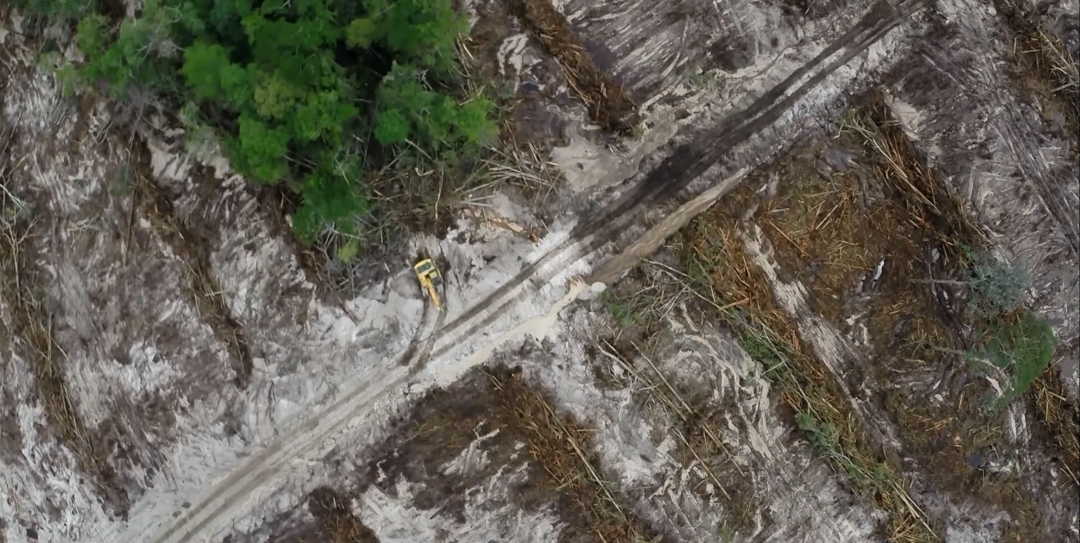
Deforested land in Indonesia (c) EIA
First, nature risk must be embedded across government — not left in an environmental silo. The assessment should inform national security, food security, trade, development, diplomacy and financial crime policy.
Second, the UK should treat environmental crime as part of the organised crime threat. That means following the money, strengthening financial investigations and international enforcement cooperation and ensuring that companies and financial institutions cannot profit from environmental destruction with impunity.
Third, Britain should use its markets more effectively. Strong due-diligence requirements, transparent supply chains and effective enforcement can help prevent UK consumption and finance from contributing to the destruction of critical ecosystems.
And we must continue investing in the people and institutions protecting them — including Indigenous Peoples, local communities, civil society, environmental defenders, governments and enforcement agencies. These are often the people who know first when forests are being cleared, laws circumvented or criminal networks are taking control.
International climate and nature finance matters here, but as part of this much wider response. Properly targeted support can strengthen governance, resilience and sustainable livelihoods and prevent crises and criminal networks becoming entrenched. Cutting such support while recognising nature loss as a security threat would be a false economy.

Indigenous Peoples are often the first to recognise a problem on the ground (c) EIA
Perhaps the most important lesson from the Government’s assessment is that prevention must become part of how Britain thinks about security.
Protecting a forest watershed, strengthening governance, supporting communities defending their land or disrupting an illegal logging network may seem to be matters far removed from British national security.
They are not.
Britain’s security does not begin at the English Channel. It depends upon functioning natural systems, stable societies and resilient supply chains around the world.
The Government has recognised the threat. The next step is to act on it — protecting critical ecosystems, tackling the crime and corruption driving their destruction, strengthening supply chains and supporting those protecting nature on the ground.
Nature is infrastructure. Nature is economic security. And, as the Government’s own assessment now makes clear, nature is national security.
Our policies need to start treating it that way.