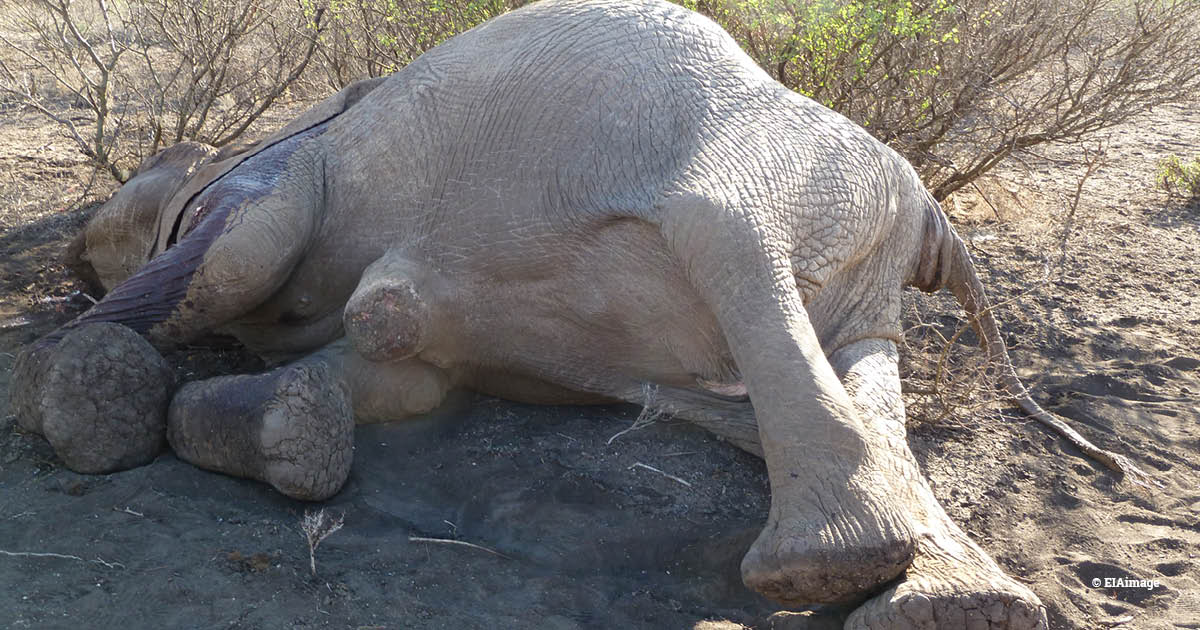
Countries must not be allowed to turn back the clock with a return to ivory trade
We have come a long way in working towards a better future for elephants – let’s not turn back the clock now by letting the ivory trade regain a foothold..


We have come a long way in working towards a better future for elephants – let’s not turn back the clock now by letting the ivory trade regain a foothold..

With fewer than 4,000 wild tigers remaining across Asia and approximately 30,000 rhinos in Asia and Africa, government leaders must do everything possible to end poaching and trafficking.
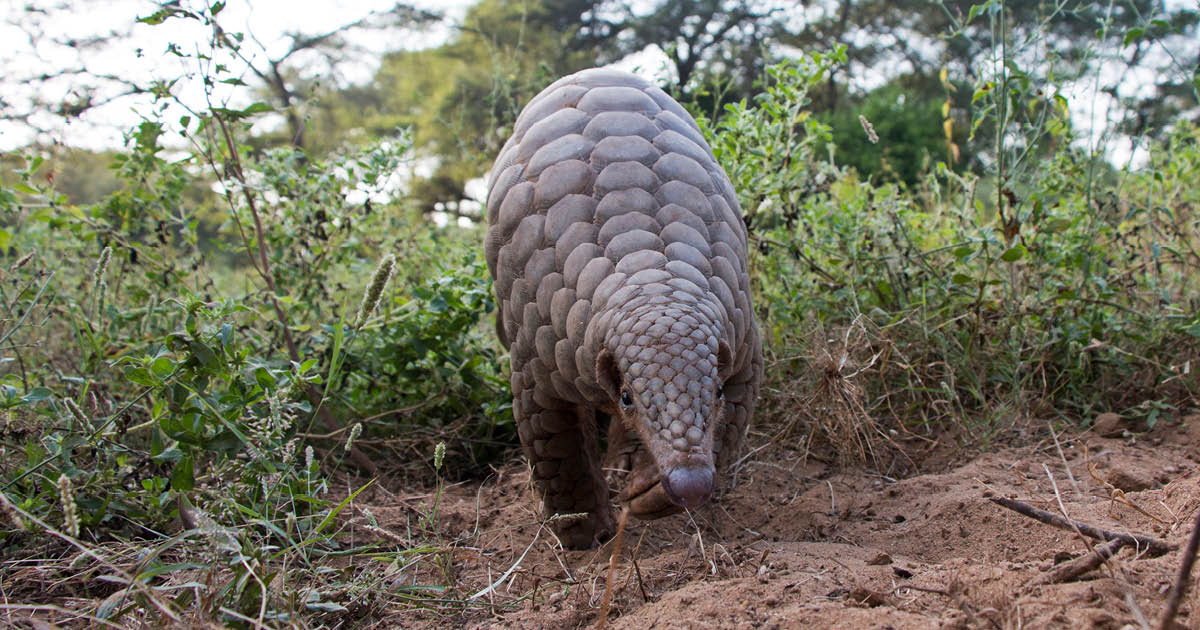
In the struggle against the extermination of species at the hands of illegal trade and human exploitation, no potential weapon or tactic should be beneath initial consideration. As well as coherent and effective transnational law enforcement, it’s also vital to change the attitudes of potential poachers and consumers
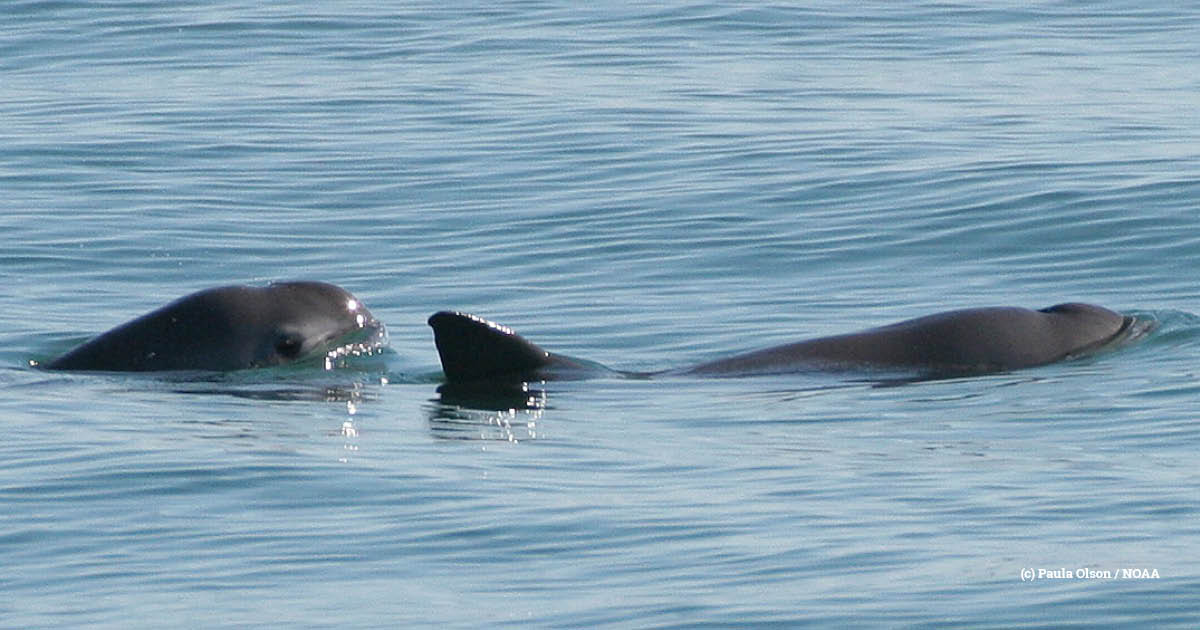
The vaquita, with fewer than 30 of the tiny porpoises left alive – plummeting from 600 in less than two decades – is the most endangered animal on the planet. Found only in Mexico’s Upper Gulf of California, the vaquita’s survival depends on the urgent removal of all illegal gillnets from their marine habitat
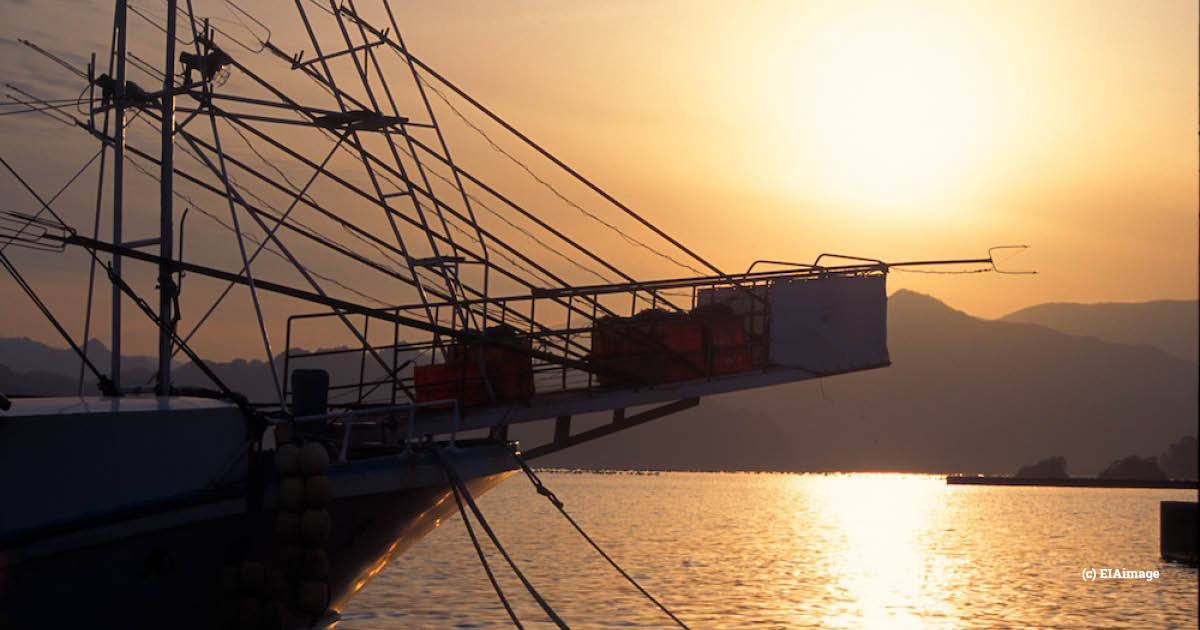
The Environmental Investigation Agency was born out of a ground-breaking whaling investigation and, almost three-and-a-half decades later, our Ocean work remains a central pillar of what we do

Blue Planet II offered a much-needed reminder of our powerful connections to the ocean. The sea provides us with oxygen and food vital for human life, acts as an enormous carbon sink and generates income for billions around the world. Yet our relationship with the ocean is, for the most part, one-sided and exploitative