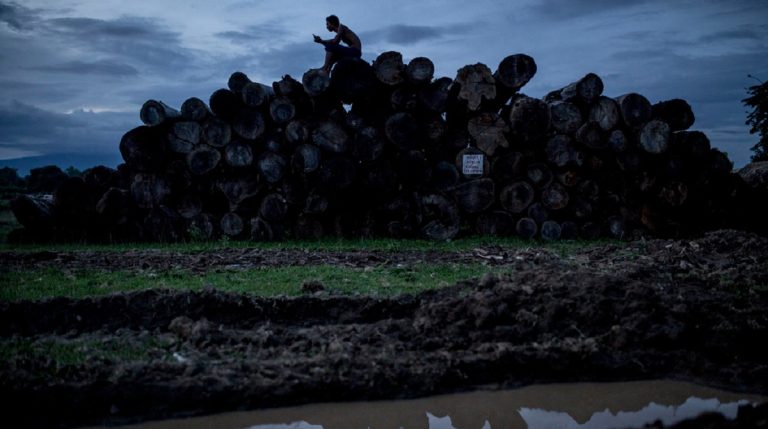
Yacht firm exposed by EIA faces major US charges over illegal Burmese teak imports


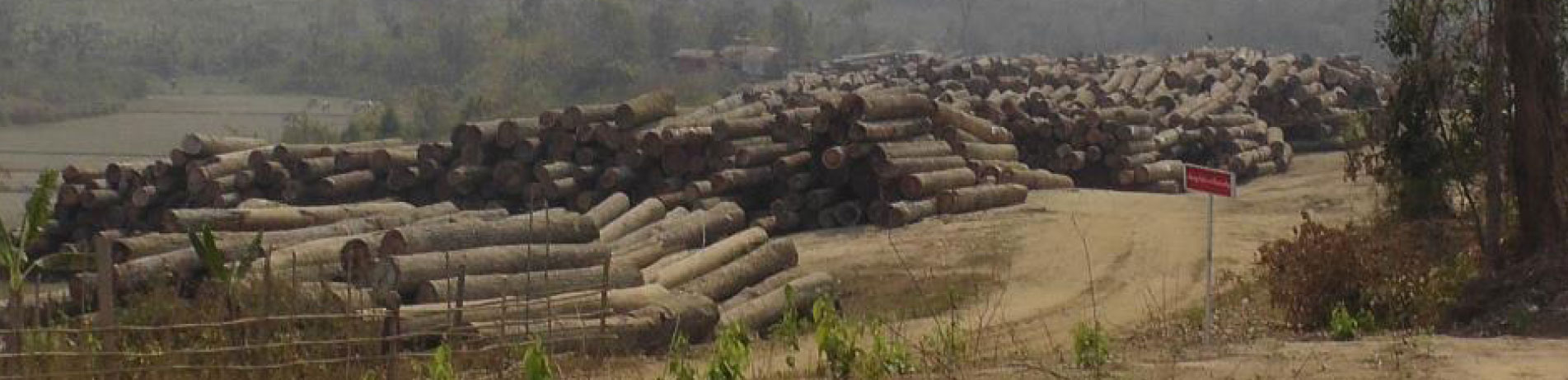
US federal prosecutors have charged UK-based luxury yacht firm Sunseeker International Ltd and its US subsidiary Sunseeker USA Sales with environmental crimes tied to the use of illegally harvested teak from Myanmar.
EIA first exposed Sunseeker’s illegitimate use of Burmese teak in 2018 after our investigations found that teak which had been traded in breach of the EU Timber Regulation had entered the company’s supply chains; we subsequently formally reported Sunseeker’s US distributor to the US Department of Justice.
The US charges are not the first Sunseeker has faced before the courts over illegal teak imports from Myanmar.
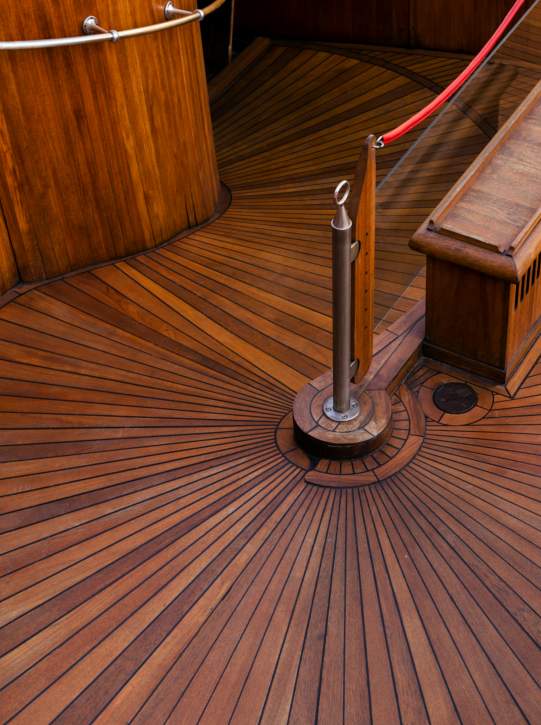
Burmese teak is highly prized for decks and fittings on luxury yachts (c) EIA
In November 2024, Sunseeker International pleaded guilty to three criminal charges under the UK Timber Regulation for illegal timber imports into the UK, including ‘blood’ teak from Myanmar. The Dorset-based company was fined £358,759.64 by Judge Jonathan Fuller KC at Bournemouth Crown Court.
As a direct result of that case, US prosecutors have now lodged two criminal charges accusing the companies of violating the US Lacey Act, which prohibits the trafficking on wildlife and plant products in violation of US or foreign law.
The charges allege Sunseeker used teak illegally harvested in Myanmar and imported in violation of UK law to construct yachts which were then sold and transported from the UK to the US.
These are the first US charges EIA is aware of related to illegal teak imports into the US since the 2021 military coup in Myanmar.
The coup saw the brutal military takeover of Myanmar, reigniting a civil war that has been raging ever since, costing thousands of civilian lives. Environmental crime, including the exploitation of Myanmar’s forests for timber, particularly teak, has skyrocketed.
Teak is used for decking by the luxury yacht industry and is prized for its desirable golden hue and water-resistance properties. The best teak in the world is found only in Myanmar.
The junta uses revenues generated from teak sales to prop up its illegal regime. Consequently, the state-controlled Myanmar Timber Enterprise, which oversees all sales and exports of teak, has since been on the receiving end of sanctions from the EU, UK and US, effectively making all imports of teak from Myanmar illegal.
If convicted, Sunseeker could face substantial fines and penalties under the Lacey Act, which allows for criminal enforcement when firms knowingly trade in products sourced in violation of foreign law.
The case is among the highest-profile US actions to date involving luxury goods and Myanmar timber, signalling heightened scrutiny of supply chains which span sanctioned or high-risk jurisdictions.
EIA will be monitoring this case for further developments.