Vietnam’s timber safeguards threatened by illicit imports from Cambodia and Laos

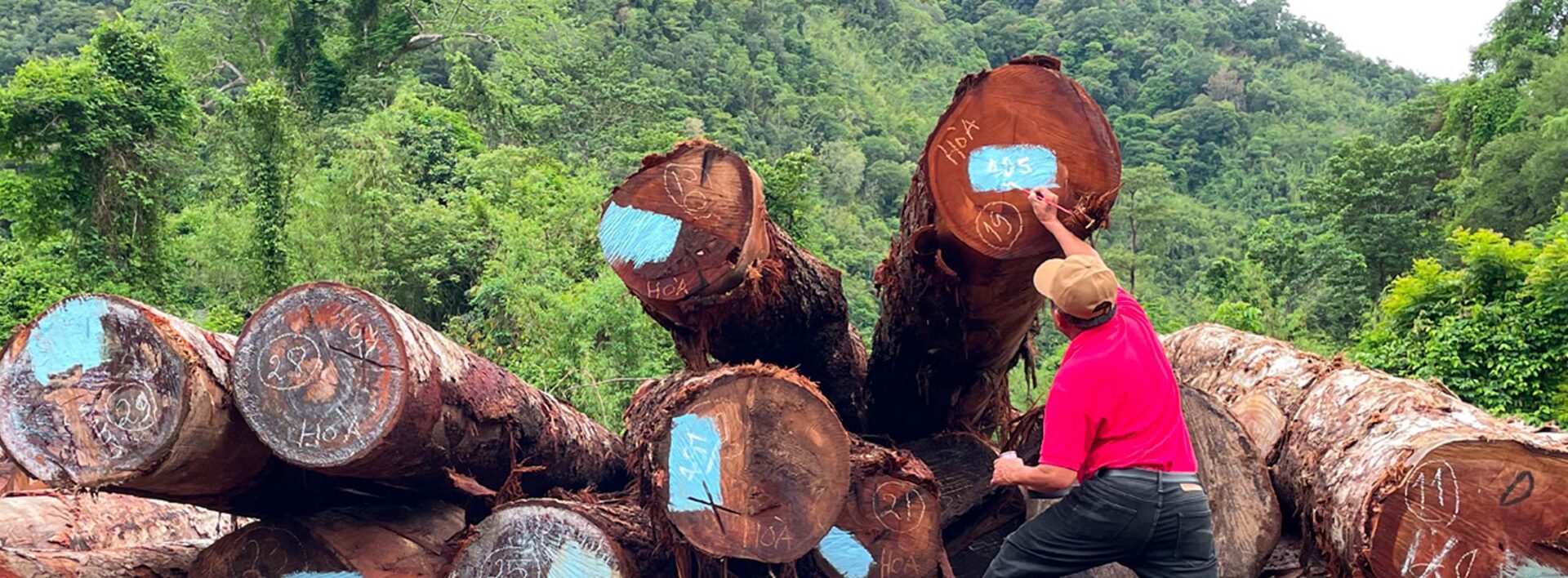
Vietnam has made progress in recent years to rid its supply chains of illicit timber, allowing it to maintain access to lucrative export markets – but new EIA investigations show its efforts are in danger of being undermined by high-risk timber from neighbouring countries.
In a new report released today, Manufactured Legality – Timber supply chains from Laos and Cambodia into Vietnam, EIA Forests campaigners document raw timber imports into Vietnam which are inconsistent with legal frameworks.
These imports include timber from quota systems linked to major infrastructure projects such as dam construction, from concession-based logging and from harvesting beyond authorised boundaries – all means to effectively obscure the illegal origins of timber.
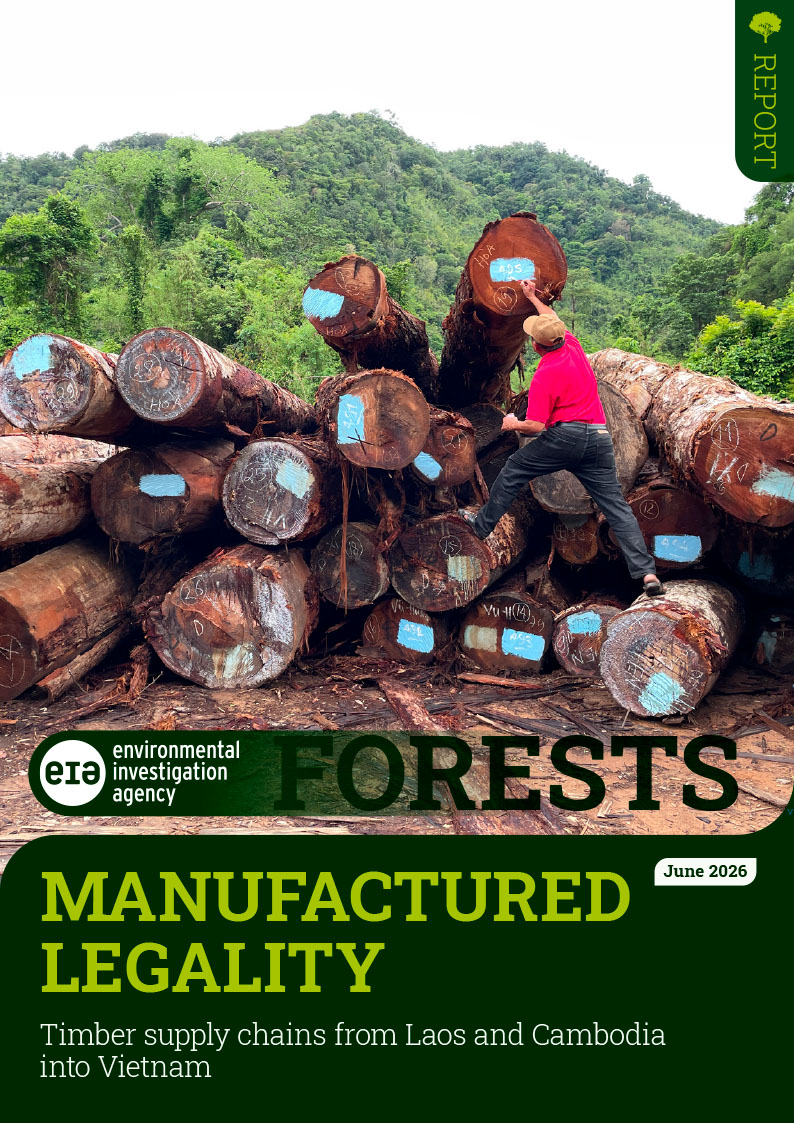 EIA’s investigation found recurring patterns in which documentation did not provide reliable evidence of timber origin, including discrepancies between declared and actual timber volumes, the use of parallel documentation systems and the integration of timber of uncertain origin into formal processing and supply chains.
While imports from Cambodia and Laos account for only a small proportion of Vietnam’s overall timber imports, Manufactured Legality highlights the challenges legality assurance systems face when verifying timber originating from high-risk governance environments.
EIA Forests Campaign Leader (Timber) Thomas Chung said: “Vietnam has become a regional leader in strengthening timber legality and forest governance. The development of the Vietnam Timber Legality Assurance System (VNTLAS) represents a significant achievement and demonstrates the country’s clear commitment to tackling illegal logging and improving supply chain transparency.
“The current phase of VNTLAS implementation provides an opportunity to build on that progress and further strengthen confidence in the system to address such challenges.
“Our findings highlight the importance of ensuring that legality verification systems are properly equipped to address risks associated with high-risk supply chains. Documentation is only as reliable as the system that produces it. Where governance weaknesses, corruption risks or limited transparency exist, legality assurance systems need the capacity to look beyond paperwork and independently verify claims about timber origin and legality.”
The lessons extend beyond Vietnam. As governments around the world increasingly rely on legality assurance and due diligence systems to combat illegal logging, environmental crime and associated human rights abuses, it remains essential to ensure that those systems can effectively identify high-risk timber.
Manufactured Legality’s findings demonstrate why strong governance, transparency and independent verification must remain central to the credibility of these systems.
The report also identifies key steps to strengthen the system, focusing on improving verification, enhancing transparency and ensuring that risk is effectively identified and addressed.
EIA will continue working with civil society organisations, government agencies and international partners to strengthen forest governance and improve the effectiveness of timber legality systems across producer and consumer markets.