Why forests are vital for the stability of the world’s economies and human wellbeing




Forests are often talked about as places of nature and wildlife, but they are also deeply connected to our economies and everyday lives.
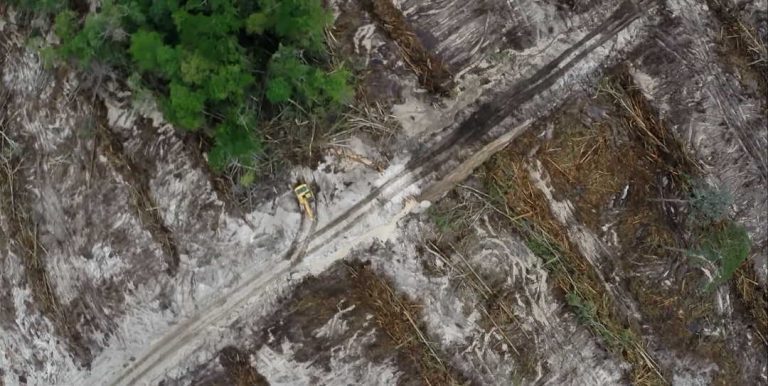
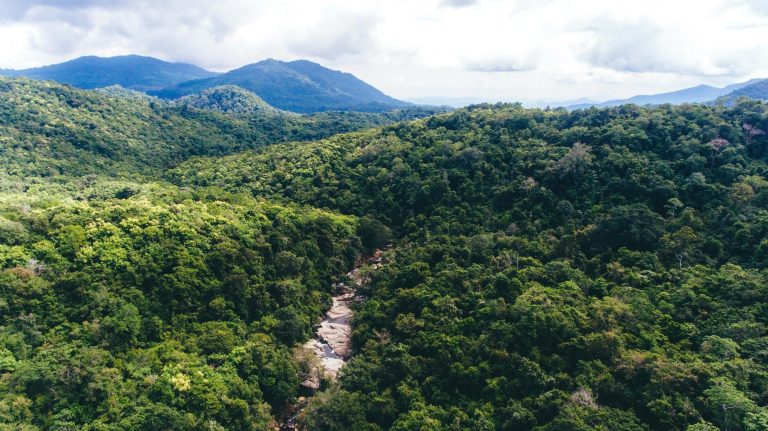
This year’s International Day of Forests (21 March) highlights the link between forests and the economy and the reality is simple – when forests are healthy, economies are more stable; when forests are destroyed, the cost is felt far beyond the forest itself.
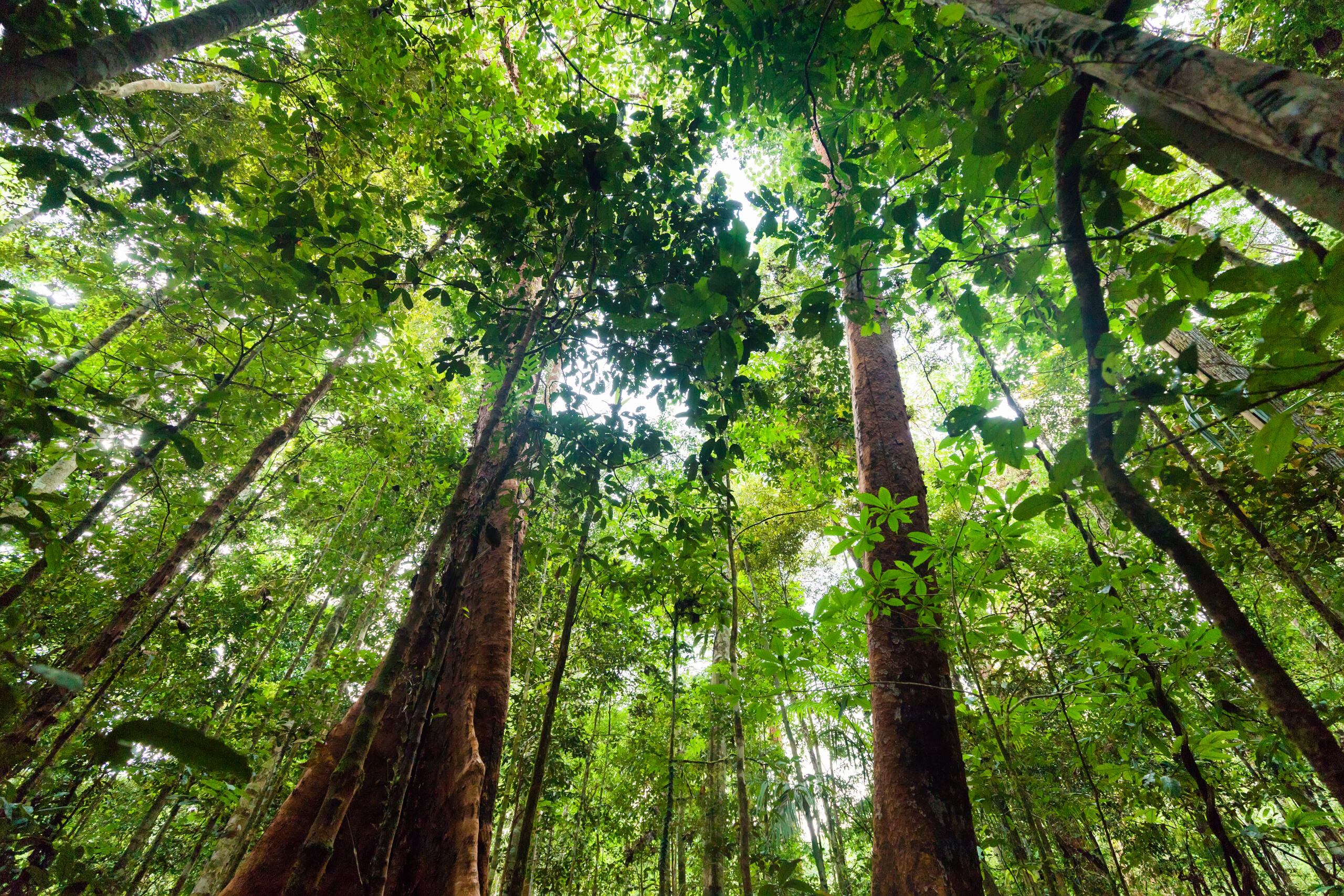
Many of the products people use every day depend on landscapes where forests play a crucial role. The UK imports coffee from Brazil and Vietnam, cocoa from West Africa to be used in chocolate, palm oil used from Indonesia and Malaysia and used in many everyday food products and soy from South America used to feed poultry, pork and dairy livestock.
Forests help to regulate rainfall, stabilise soils and maintain the conditions that make these crops possible. When forests are lost, farming becomes more vulnerable to drought, floods and heat, disrupting food production and global supply chains.
Forests also intersect with other parts of the global economy, including mining. The minerals needed for technologies such as renewable energy, electronics and batteries are often located in forest-rich regions. When mining expands without strong safeguards, it can drive deforestation, pollute rivers and disrupt local livelihoods.
Responsible management of forests and natural resources is therefore essential to ensure that economic development does not come at the cost of ecosystems and communities.
But forests are also part of a much bigger economic story.
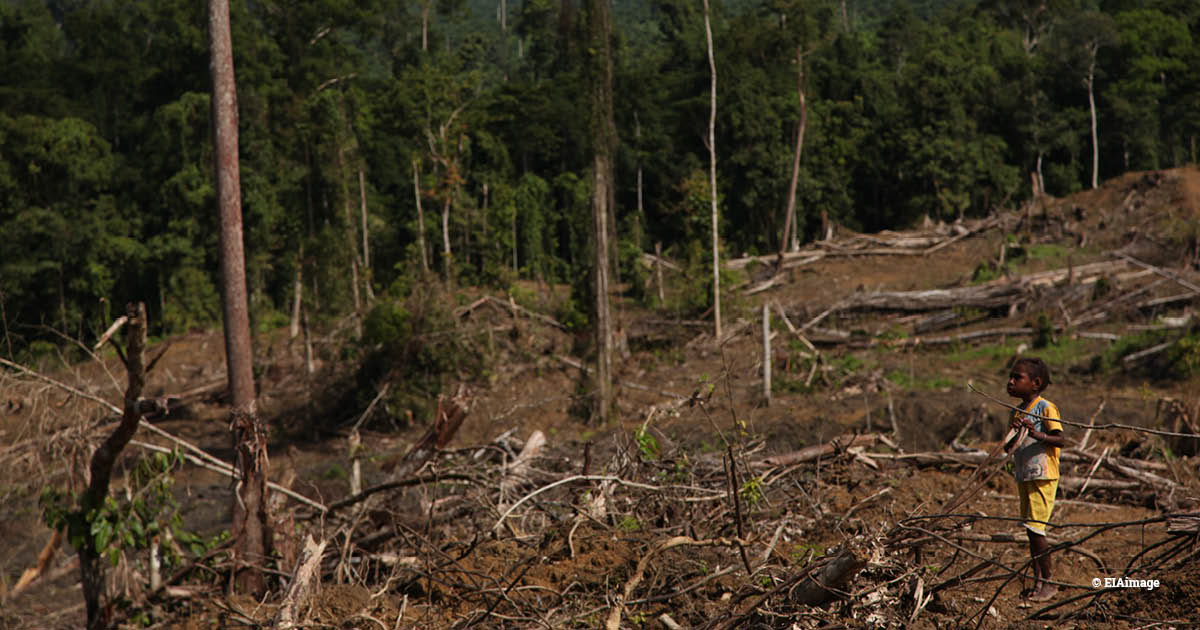
Deforestation for palm oil in Papua (c) EIA
Illegal logging, land grabbing and unregulated resource extraction are not just environmental problems, they are forms of organised crime. Environmental crime is estimated to generate between $110-281 billion every year, distorting markets, undercutting legitimate businesses and fuelling corruption.
Protecting forests helps to protect economies. It supports farmers, strengthens supply chains and prevents criminal networks from profiting from environmental destruction. It also reduces the risk of climate impacts that can drive humanitarian crises, instability and rising costs for governments and communities.
Behind these efforts are people working on the front lines – forest agencies, indigenous and local communities, journalists and civil society organisations – often in difficult and dangerous conditions. Their work helps protect the ecosystems on which millions of livelihoods depend.
On this International Day of Forests, it’s worth remembering that forests are not just distant landscapes – the are part of the global systems supporting food, jobs, trade and stability.
Protecting forests is not only about safeguarding nature. It is also about safeguarding the foundations of a resilient and sustainable economy.