Imperiled vaquita porpoises can’t afford to wait another year – action at CITES CoP20 is needed now




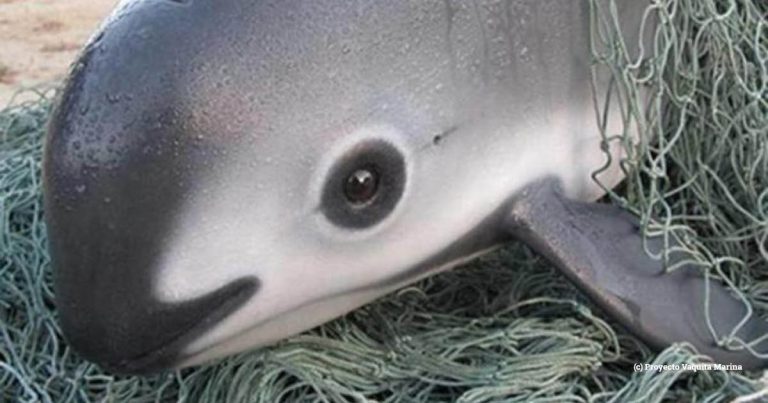
The lucrative and illegal trade in totoaba swim bladders has resulted in the vaquita porpoise taking on the unwelcome title of the world’s most endangered marine mammal, with 10 or fewer remaining in existence.
Totoaba are a type of croaker fish found in the Gulf of California, in Mexico, and their swim bladders (also known as maws) are highly sought-after in luxury Chinese markets, valued as an investment and for lavish wedding and business gifts.
Vaquitas are endemic to Mexico and are found nowhere else. They are a small porpoise with a limited home range, living in the same waters as the totoaba and getting caught in the same illegal static nets used to catch totoabas.
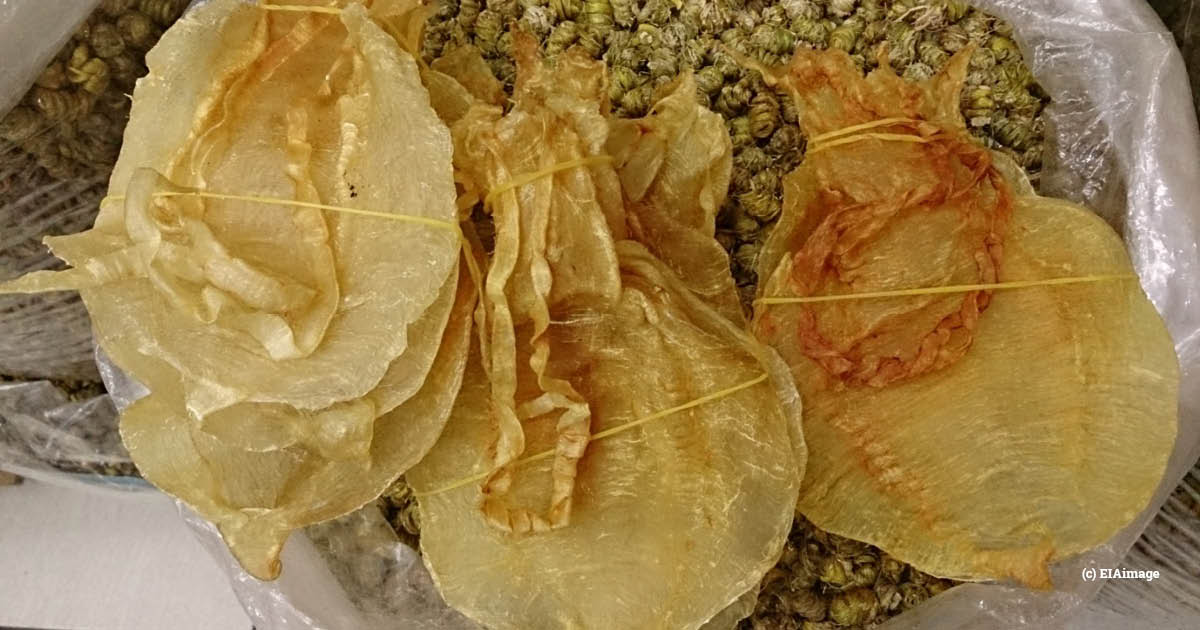
Dried totoaba maw on sale in China (c) EIA
Vaquita numbers have declined dramatically in recent decades because they are caught in these nets. Following the most recent scientific survey of their habitat this summer, the vaquita population is estimated at just 7-10 individuals.
This underscores the pressing need for full enforcement to end illegal fishing in the Gulf of California and the transnational illegal trade in totoaba to prevent vaquita extinction.
For a decade, EIA has investigated and reported on this trade facilitated by organised criminal networks, both on the ground in Mexico and China and also online through popular social media channels, most recently in our report On Borrowed Time.
At a fish maw side event due to be held on 29 November at the 20th meeting of the Conference of the Parties (CoP20) to the Convention on International Trade in Endangered Species (CITES) in Uzbekistan, we will present new evidence of the totoaba maw market across a wider range of social media platforms in China and elsewhere in Asia as well as information on prolific individual sellers of totoaba maws.
More broadly, the side event will highlight the increasing and concerning global trade in other croaker fish species for their maws and the associated bycatch of cetaceans and other protected species in fisheries targeting croakers.

Gillnets are the primary cause of vaquita mortality in the Upper Gulf of California, Mexico (c) Chris Johnson
CITES has been working with countries involved in the transit and trade of totoaba maws, including Mexico, China and the USA. It’s Standing Committee approved Mexico’s totoaba Compliance Action Plan (CAP) in April 2023. Many of the provisions in the CAP were already established under a 2020 Regulation, but Mexico has not yet met the requirements within the Regulation or the CAP.
After more than five years since the introduction of the Regulation, key provisions remain unenforced on the ground and illegal fishing continues in the Vaquita Refuge and Zero Tolerance Area.
Despite this, the CITES Secretariat’s latest evaluation ahead of the meeting adopts a broadly positive tone, contrary to the findings in Annex 2 of the Secretariat’s report which identifies critical pending actions, including:
Noting the serious concern about the perilous state of vaquitas, we urge all governments attending CITES to raise the ongoing situation regarding illegal fishing in the Gulf of California and Mexico’s outstanding CAP actions.
Vaquitas cannot wait another year – compliance action is needed now.