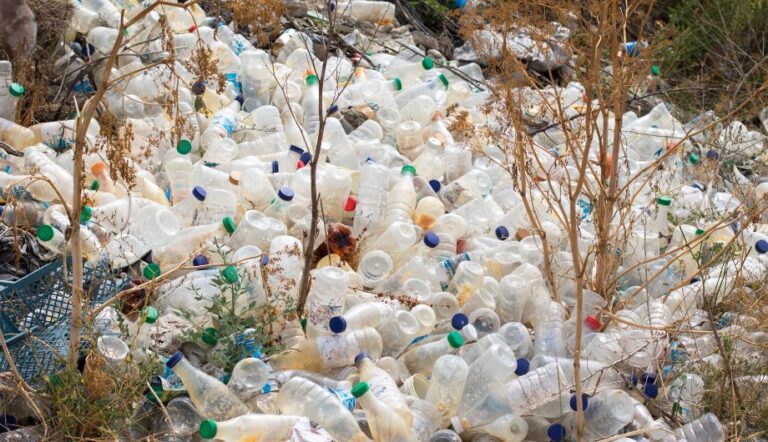
Global Plastics Treaty post-mortem – INC-5.2, petrostate obstruction and the way ahead




World leaders, negotiators, campaigners and corporate lobbyists assembled in Geneva’s Palais des Nations last month for what was intended to be the final, decisive round of talks to establish a legally binding Global Plastics Treaty.
INC-5.2, the extended fifth session of the UN’s Intergovernmental Negotiating Committee, was intended to be the final opportunity to keep the treaty alive and on course for adoption.
The expectation was clear – negotiators had to deliver a strong, ambitious text capable of ending plastic pollution across its full lifecycle.
Instead, the session failed to make progress. Despite widespread international support and strong calls from civil society, negotiators could not agree on a draft text.
Discussions were hampered by procedural delays and vigorous industry lobbying. The Chair’s compromise text removed binding production caps, chemical controls and lifecycle measures, resulting in a hollow framework that many high-ambition countries rejected outright.
At the same time, there was significant effort and movement from high-ambition groups, including the EU, the Pacific Small Island Developing States (PSIDS) and the African Group of Negotiators (AGN) who worked to maintain ambition and keep the treaty alive.
Our post-mortem examination reveals the precise cause of death – a small but powerful bloc of petrochemical-producing countries plus a small army of Big Oil lobbyists deliberately hampered progress.
Their tactics included procedural stalling, diluting ambitions and vetoing consensus, ensuring that negotiations ended without an outcome.
Left untreated, the treaty’s vital organs – production caps, chemical control and trade rules – were weakened beyond repair.
Civil society acted as the pulse monitor of INC-5.2, recording warning signs throughout the session. Break Free From Plastic daily updates amplified the calls for courage: “Stop hiding behind consensus … show courage for future generations!” echoed outside the Palais des Nations.
One of the most apparent signs of a potential cure came from negotiations around the decision-making process. The Latin American and Caribbean Group (GRULAC), strongly supported by the EU, advocated for the ability to proceed to a vote when consensus was unattainable.
This proposal was crucial to prevent the treaty from being held hostage by the political will of petrostates such as Saudi Arabia, the US and Russia, which employed procedural tactics to undermine ambition.
Civil society and many countries saw this as a lifeline – without majority-based decision-making, the treaty risks endless paralysis. Yet petrostates resisted fiercely, exposing the fragility of the process and leaving the treaty in critical condition.
Other key symptoms observed:
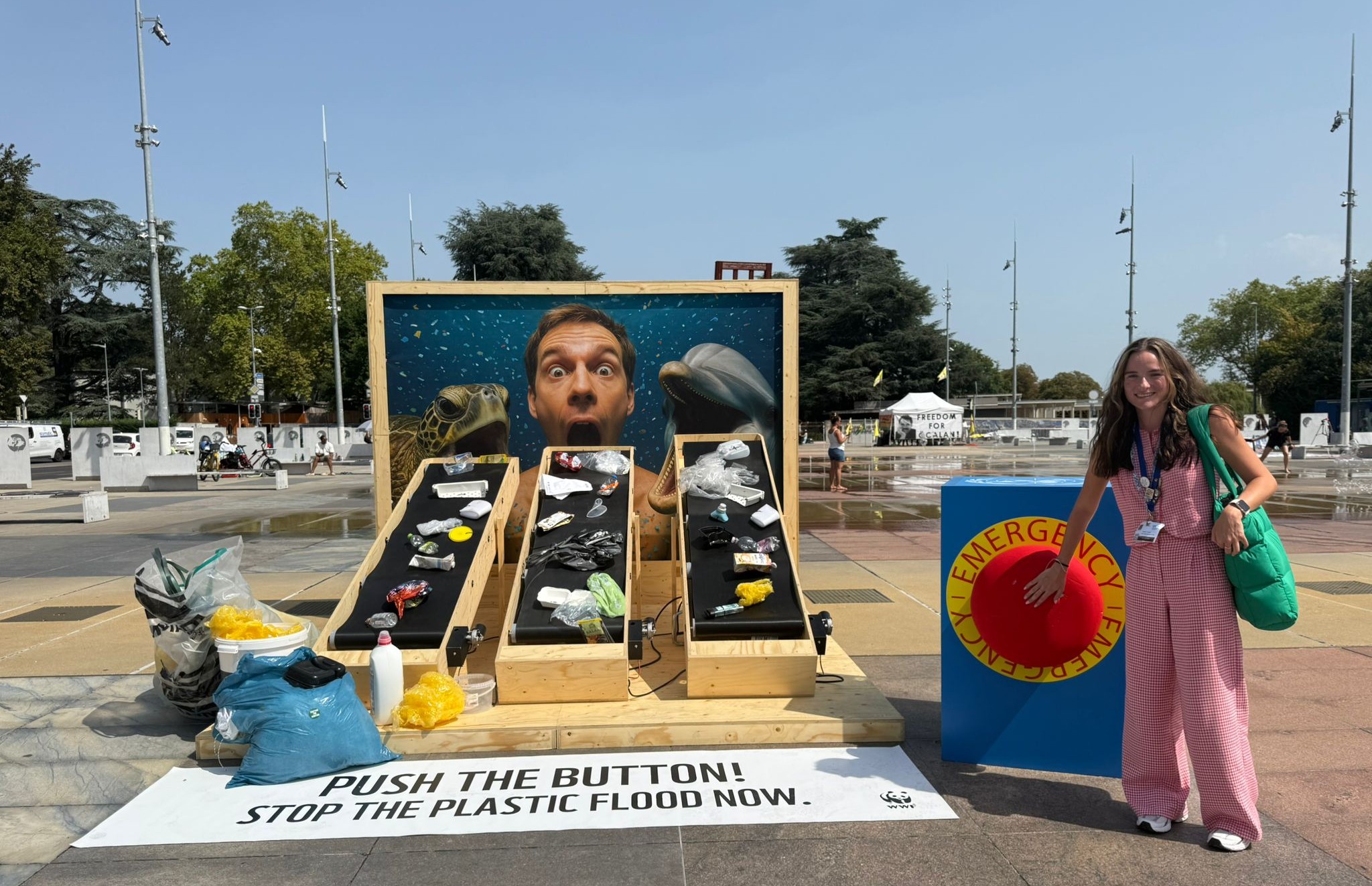
Hannah at the INC-5.2 talks in Geneva (c) EIA
The patient on the table is our planet and global public support for reducing production is overwhelming.
A Break Free From Plastic survey across 10 countries found that 84 per cent of respondents support production cuts, linking them to biodiversity protection and climate change mitigation.
Without binding caps, plastic production and waste levels remain dangerously unchecked, threatening ecosystems, human health and progress on global climate goals.
It is important to emphasise that petrostates and industry obstruction are keeping the world locked into a dangerous path, one that science shows is unsustainable. This is locking the world into a terminal trajectory.
To resurrect the Global Plastics Treaty, it’s essential to restore its core ‘vital organs’. Each one, a necessary function, is revealed throughout the treaty post-mortem and informed by EIA’s essential elements analysis:
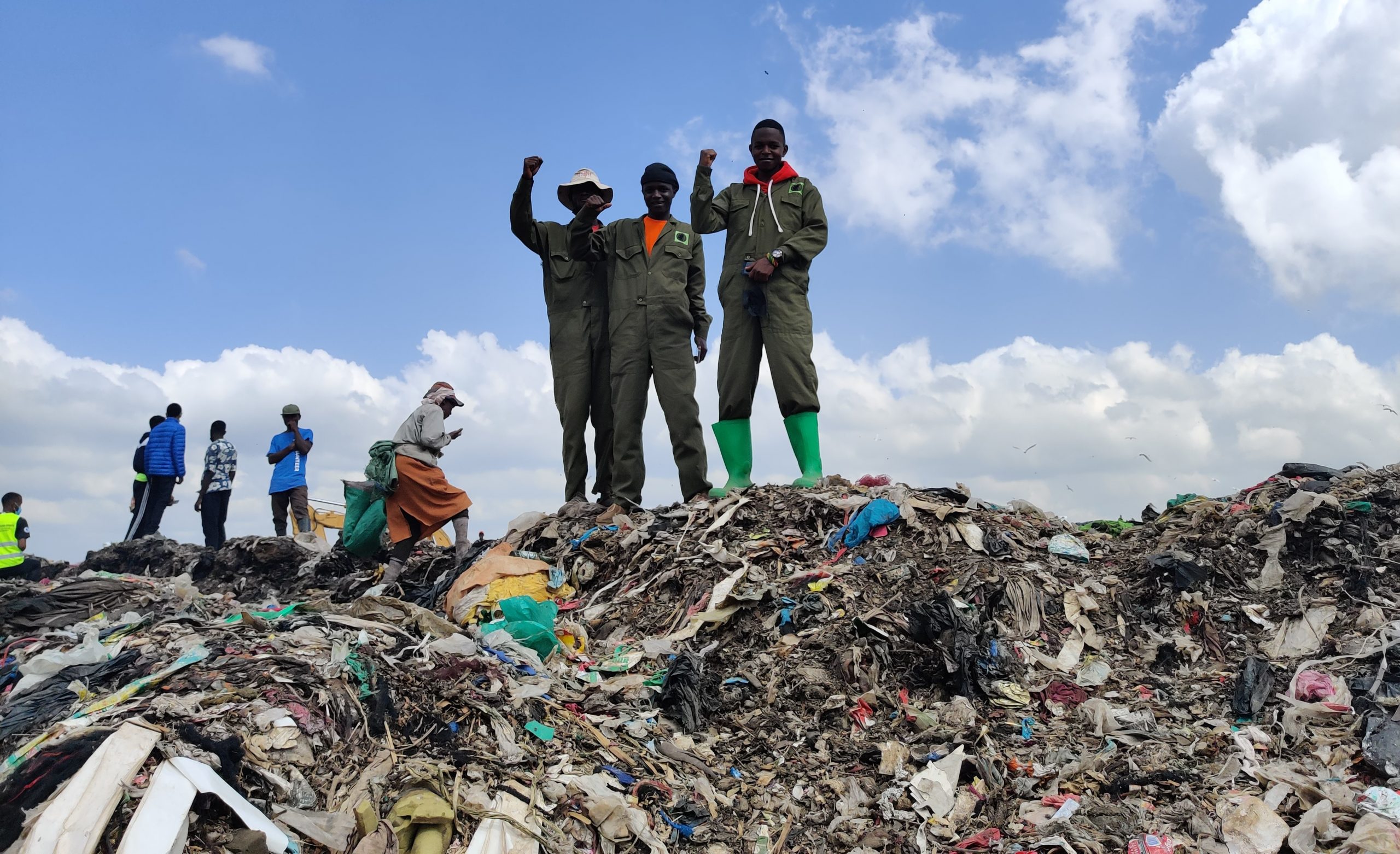
Waste pickers at Kenya’s notorious Dandora refuse site outside Nairobi (c) EIA
Without production limits, the treaty remains breathless; without reuse systems, it collapses back into disposability. Without health safeguards and worker justice, it ignores systemic inequities and threats that must be central to a true recovery. And without strong trade controls or reform of the decision-making process, it remains vulnerable to disease – namely, petrostate interests obstructing progress.
However, when these components work together, the treaty can be revived as a coordinated, living instrument capable of ending plastic pollution while promoting health, equity and planetary stability.
The planet remains critically ill. INC-5.2 exposed how petrostate interests and industry pressures threaten the treaty’s core functions of production limits, chemical safety, trade regulations and protections for waste-pickers.
Without swift action, plastic pollution will persist in damaging ecosystems and communities around the world. To revive the treaty, negotiators must restore its vital functions with science-backed production caps, chemical safeguards, worker protections and enforceable trade and waste rules.
Only through decisive, majority-supported measures can the treaty be revived, securing a future where people, biodiversity and the environment can flourish.