From glittering tinsels to toxic trash – the hidden cost of UK Christmas plastics




With the festive season almost upon us, households across the UK are preparing for the usual celebrations, gifts and indulgence.
But behind the sparkles lies a growing problem – our reliance on plastics, especially packaging, which surges over the festive period by 30 per cent and which contributes to environmental and human health impacts both at home and around the world.
 While many believe their waste is responsibly handled, much of it is shipped overseas to countries with limited capacity to manage it, causing ‘recycling capacity displacement’ and harming vulnerable communities.
Plastics are estimated to cause more than $1.5 trillion in global health-related economic losses each year and, taking the plastics lifecycle into account, is projected by 2040 to be equivalent to the world’s third-largest emitter if it were a country. The costs to people and planet are only set to grow.
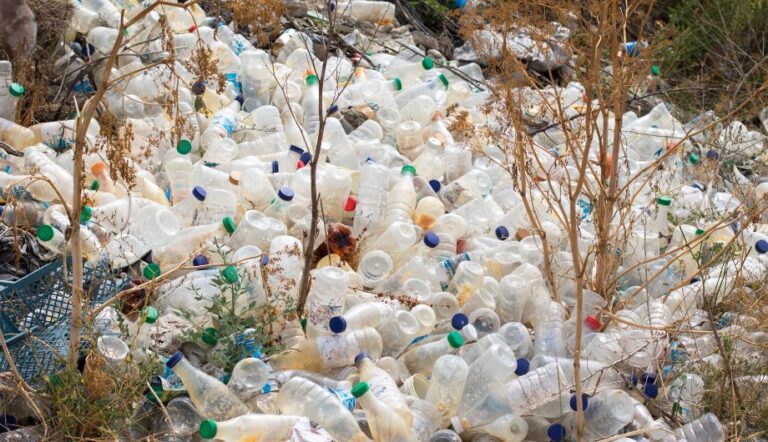
Alarmingly, an estimated 105,000 tonnes of plastic packaging, an equivalent weight to about 200,000 polar bears, could end up being burnt, landfilled or shipped abroad as a result of the UK festive period. This plastic waste may be collected at the kerbside, but that doesn’t mean it’s being properly recycled – in fact, single-use packaging is the biggest source of global plastic waste.
The scale of this issue is reflected in the UK’s continued reliance on plastic waste exports, totalling 598 million kilos last year, exposing the scale at which the UK offloads its plastic waste responsibility abroad.
With Christmas being one of the UK’s most wasteful periods, this issue is especially urgent.
Despite repeated warnings, successive UK governments have failed to reform plastic waste exports, something for which EIA has been campaigning for years.
Unlike the EU, which has tightened regulations to reduce exports and boost domestic recycling thanks to the work of EIA and our allies, the UK continues to incentivise sending waste abroad, discouraging investment in domestic recycling and contributing to 21 facility closures during the past two years.
At the same time, the growth of domestic incineration has further undermined recycling efforts as much of the plastic that could be recycled is instead burnt, producing harmful emissions and locking councils into long-term waste contracts.
We are campaigning to secure a full UK plastic waste export ban by 2028 and a set of ambitious policy measures to promote a genuine and safe circular economy for plastics.
 While political action is absolutely essential, there are ways we can reduce our overproduction and consumption of plastics this festive season. Here are my top-tips for a plastic-free Christmas:
Ultimately, even the most conscientious individual efforts can’t solve the problem alone – but choosing a plastic-free Christmas can show companies that consumers care.
Plastic waste exports are not a solution, they are an injustice. By reducing plastic use during and after the holidays and demanding strong political action, we can help ensure the UK takes responsibility for its plastic waste.
Ending plastic waste exports is essential to protect the planet, uphold human rights and drive the shift towards a genuine circular economy.