Ending waste colonialism: why the UK must act to ban its plastic waste exports now


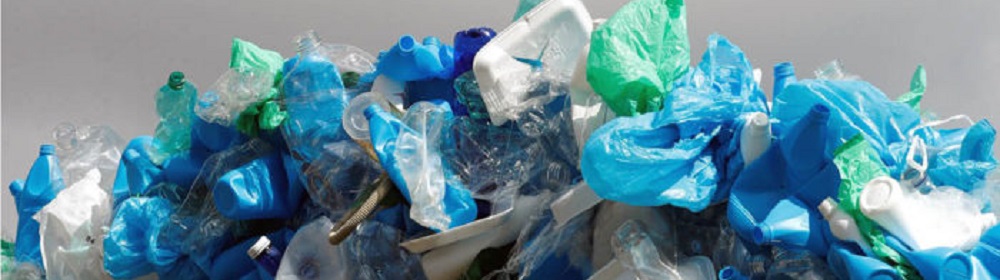
The UK produces the second largest amount of plastic waste per capita globally, with an estimated 1.7 billion items of plastic discarded weekly – averaging 90 billion items per person each year.
More than half of this material is incinerated, having risen from 46 per cent in 2022 to 58 per cent in 2024.
This practice disproportionately affects those living in deprived neighbourhoods in the UK and pollutes our land and water. Additionally, burning plastic can generate more carbon dioxide per tonne than coal, making it an even greater driver of climate change.
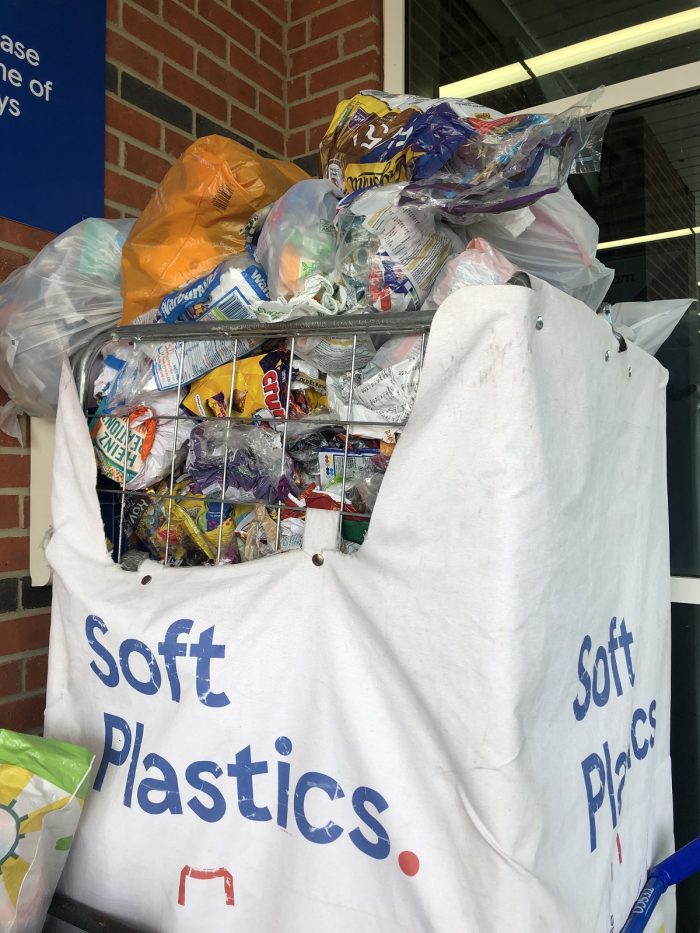
Soft plastics recycling point in the UK (c) EIA
Only 17 per cent of plastic is recycled at home because the domestic infrastructure cannot cope with the escalating volumes of plastic consumed in the UK.
But the UK’s plastic problem doesn’t stop at our shores. For years, we have been offloading mountains of plastic waste onto other countries – both OECD (Organisation for Economic Co-operation and Development )and non-OECD alike – where it fuels pollution, crime and severe health harms.
In June 2025, UK plastic waste exports to Asia surged, hitting 3.3 million kilos to Indonesia and 6.8 million kilos to Malaysia, while millions more were routed through the EU, including 9.3 million kilos via the Netherlands and significant volumes through Germany, Spain and Belgium, potentially reaching non-OECD countries.
This practice has been described as ‘waste colonialism’ – developed countries in the Global North exporting their waste to the Global South, often disguised as trade, recycling or aid, offloading waste onto nations lacking the infrastructure to manage it.
Instead of being recycled, much of our exported plastic is dumped, burnt or processed in unsafe conditions. Plastic waste workers and nearby communities – often children, refugees and the poorest communities – are exposed to toxic fumes and hazardous chemicals, as demonstrated in Türkiye and Malaysia.
At the same time, UK exports clog up limited recycling capacity abroad, causing recycling capacity displacement, pushing aside locally generated waste and making the problem worse. This is not a solution, it’s environmental injustice.
Successive UK governments have promised to act, with Defra urging a full export ban by 2027, paired with reducing plastic use, boosting recycling and building a circular economy to tackle the harm caused abroad by plastic waste exports. To date, the new Labour Government has committed to a circular economy, yet has not proposed a full export ban. We now have a critical window to demand real action and hold it accountable to its promises.

Agriplastics on a UK farm
Here’s what must happen – a legislated ban on all UK plastic waste exports, to both OECD and non-OECD countries, with a rapid phase-out starting immediately:
This is not just a domestic policy issue, it’s about global leadership. The UK has already pledged to cut plastic production, eliminate harmful plastics and stop plastic pollution in the Global Plastic Treaty negotiations. A full ban on plastic waste exports would prove the UK is serious about these commitments and not just paying lip service while continuing to ship the problem abroad.
Other countries are already moving – the EU has effectively banned exports to non-OECD states under the EU Waste Shipment Regulations, while nations such as Thailand and Indonesia have shut their doors to imports. It’s time the UK caught up and led by example.
EIA has exposed this destructive trade for years. Now, with your support, we can push the UK Government to finally end it.

