Cutting climate finance is not saving money — it is exporting risk back to the UK




The UK Government has promised global climate leadership, yet new evidence shows that programmes designed to protect forests, oceans and climate stability in developing countries are being quietly cut, scaled back or drip-fed year-by-year.
At least £11.6 billion was pledged for international climate finance (ICF) between 2021-26. According to reporting this week in the Guardian, that figure is now under pressure.
Nature programmes have reportedly been reduced or partially closed. The Biodiverse Landscapes Fund has been cut from six regions to two. The Blue Planet Fund — a flagship £500 million commitment inspired by David Attenborough’s landmark series — is reportedly in doubt and, at the same time, the UK is expected to reduce the next round of ICF to £9 billion, a cut of more than 20 per cent
This is being presented as fiscal prudence. It is not. It is a decision that risks raising costs for UK households, weakening national security and undermining Britain’s global credibility.
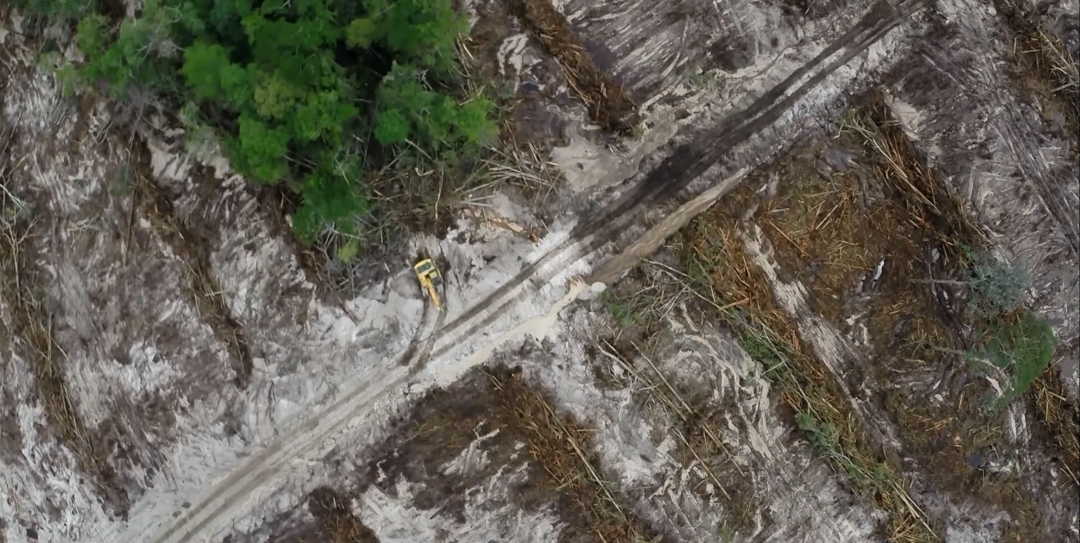
Deforested land in Indonesia (c) EIA
International climate finance is often framed as money flowing outward. In reality, it is one of the UK’s most practical tools for managing risk at home.
The UK produces about 62 per cent of the food it consumes. Roughly 40 per cent is imported and much of that food, and the animal feed behind it, depends on stable agricultural systems in regions where forests regulate rainfall, prevent soil erosion and buffer climate extremes.
When forests are cleared, rainfall patterns shift. Droughts intensify. Floods become more destructive. Harvests fail. Supply chains tighten. And prices rise.
UK climate finance helps partner countries manage forests sustainably and protect the ecosystems that underpin agricultural productivity. Cutting that support does not insulate the UK from climate impacts, it increases the likelihood that instability abroad translates into higher food prices at home. If we weaken forest protection in producer countries, we should not be surprised when climate volatility shows up in UK supermarket bills.
Illegal deforestation is not just an environmental issue. It is a form of organised crime generating an estimated $110–281 billion annually. Illegal logging and land-grabbing distort markets, undercut legitimate businesses and feed corruption.
These networks do not operate in isolation. They intersect with financial crime, tax evasion and the wider illicit trade. UK climate finance which strengthens forest governance, transparency and enforcement helps reduce the operating space for these networks – but when funding is cut, reformers lose backing and criminal actors gain ground.
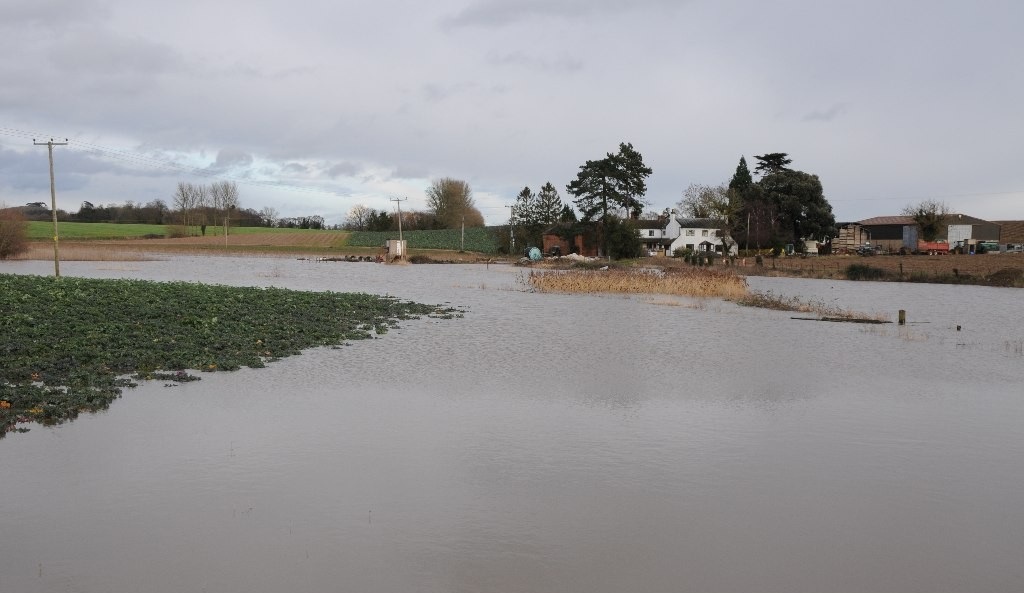
Flood farmland in the UK (c) Philip Halling / CC BY-SA 2.0
Reducing preventive support abroad does not eliminate risk. It simply allows illegal systems to entrench with costs that eventually surface in global markets and financial systems that affect the UK.
Climate finance is often misunderstood as aid. In practice, it is preventive spending.
When ecosystems collapse, rural economies weaken and instability grows. Displacement increases. Humanitarian crises follow. The UK then pays through emergency aid, security responses and disrupted trade. Supporting forest protection and climate resilience early is far cheaper than responding after systems fail
The UK Government has already been warned that ecosystem collapse abroad could pose national security risks, including food shortages, unrest and geopolitical instability; cutting climate finance in that context is not cautious budgeting, it is deferred liability.
Forest protection depends on people – forest agencies, indigenous and local communities, civil society groups and reform-minded officials. These actors often work in difficult and sometimes dangerous conditions, resisting forest crime and the corruption at its core. When funding is drip-fed or withdrawn, these partners are weakened and illegal activity expands into the space left behind.
Modernisation of climate finance is welcome. Greater transparency is essential. But reducing ambition while maintaining headline figures through accounting changes — as has been suggested — risks undermining the substance of commitment.
International climate finance is also a signal. Countries notice who honours commitments and who retreats. Where trusted partners withdraw, others step in — often with fewer safeguards and different standards.
If the UK reduces nature and forest finance just as global climate risks intensify, it weakens its own influence and credibility. At a time of geopolitical competition, retreat is not neutral, it reshapes alliances and partnerships.
Supporting forests and climate resilience overseas is not charity. It is an investment in stable food supplies, reduced organised crime, lower long-term security costs and stronger global partnerships.
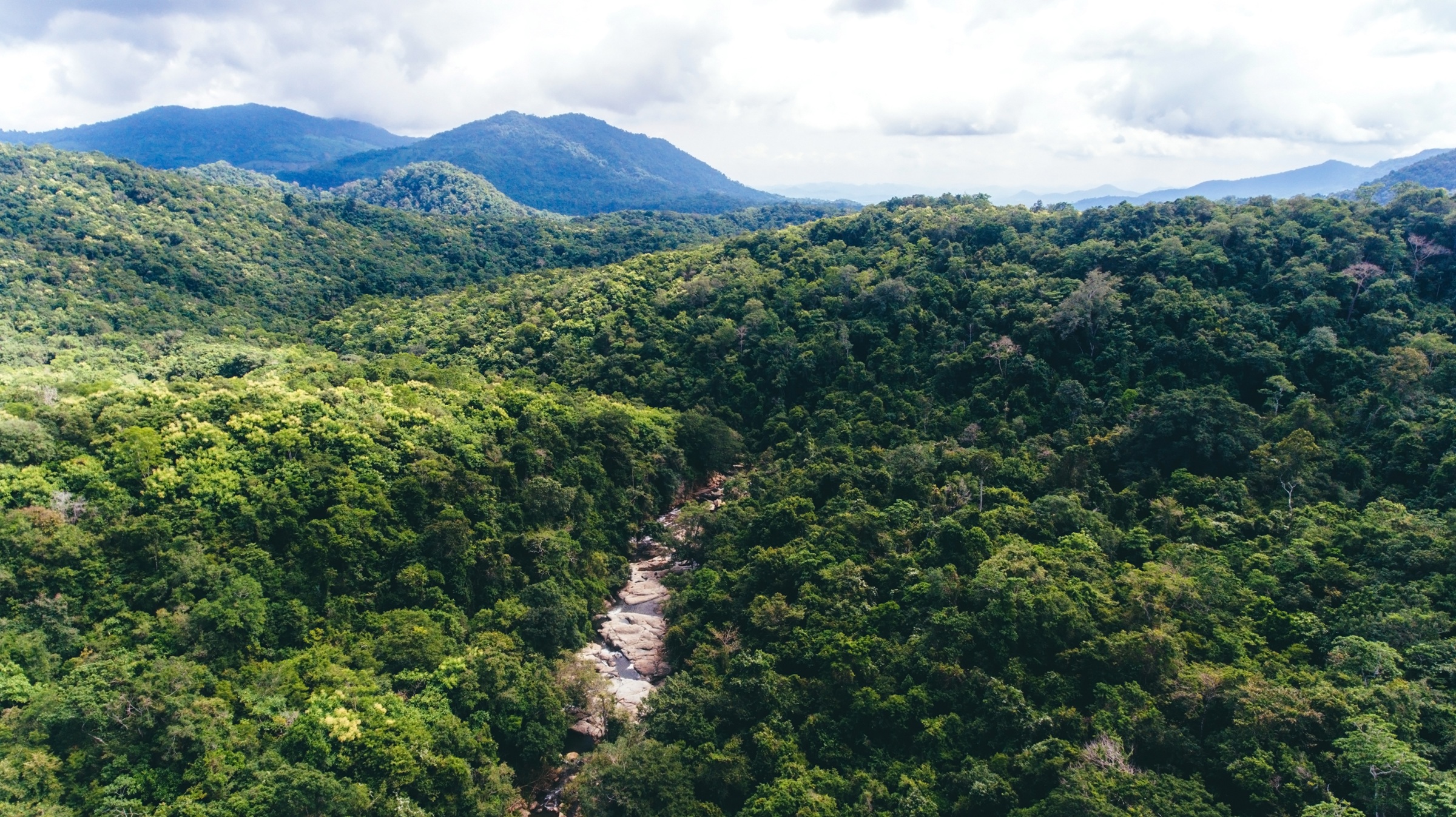
Forested land in Indonesia
The programmes now reportedly being cut — from landscape protection to ocean conservation — were built over years. They support ecosystems that regulate the climate, stabilise regions and underpin global supply chains. Dismantling them quietly may reduce near-term budget lines but will not reduce risks.
The UK faces a clear choice – invest in prevention and partnership now or pay more later in crisis response, market disruption and lost influence.
Climate finance protects forests which in turn protect stability and stability protects the UK. Cutting that chain is not saving money, it is ultimately increasing the bill.