Carbon markets and offsetting: Why the CoP30 climate summit must reject false solutions




When it comes to international climate summits, there are few more contentious issues than that of money – who should pay for climate action and how should they do it?
As the UN Climate Change Conference (CoP30) unfolds in Brazil, our attention turns once again to Article 6 of the Paris Agreement, the mechanism intended to channel climate finance through UN-backed carbon markets.
What we see, even as Article 6 is “operationalised”, is a serious risk that past failures will be repeated.
Without additional safeguards, these markets risk undermining real emissions reductions and exacerbating climate injustice, while polluters greenwash and pocket the profits.
Fundamentally, carbon offsetting does not reduce emissions. It allows polluters to claim climate action by funding emissions reductions elsewhere rather than cutting their own pollution.
This approach treats the atmosphere as a ledger, where emissions in one place can be ‘cancelled out’ by reductions elsewhere.
But climate science is clear – real progress requires rapid, absolute cuts in greenhouse gas emissions at source.
With the world’s remaining carbon budget for 1.5°C likely to be exhausted by 2030 (Friedlingstein et al., 2025), offsetting is a dangerous distraction.
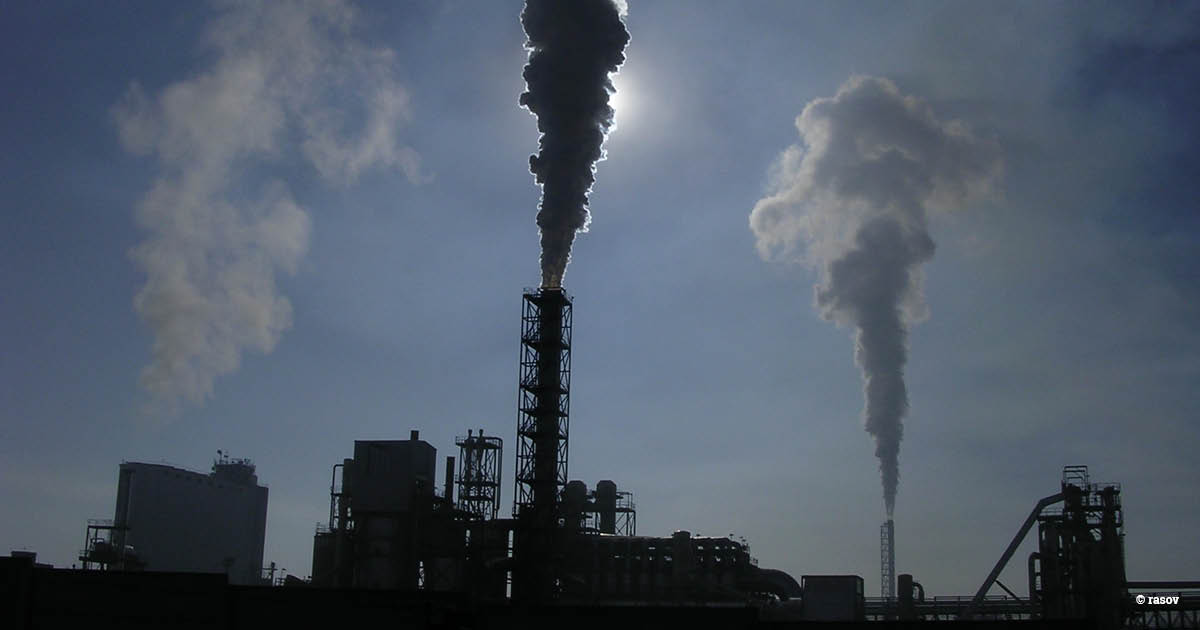
Article 6 was designed to foster international cooperation, but its implementation is fraught with risks. It comprises two key components:
Article 6.2 allows countries to trade Internationally Transferred Mitigation Outcomes (ITMOs) through bilateral agreements. While this mechanism requires “corresponding adjustments” to prevent double counting, weak oversight has already seen these safeguards face significant criticism over their effectiveness. For example, under Article 6.2, countries are merely requested, rather than required, to avoid using questionable credits that have been flagged during quality checks as potentially double-counted, leaving serious scope for manipulation (Romm et al., 2025).
Article 6.4 establishes a centralised UN-supervised market, issuing credits (A6.4ERs) for emissions reductions or removals. Despite new safeguards, such as a “sustainable development tool,” the system still lacks robust enforcement. Worse, it permits the transfer of legacy credits from the discredited Clean Development Mechanism (CDM), which were riddled with fraud and over-crediting (Carbon Market Watch, 2025).
The risks of Article 6 are not theoretical. The CDM, its predecessor, was plagued by scandals, including the HFC-23 scandal, whereby chemical firms in China and India overproduced a potent greenhouse gas simply to destroy it and claim lucrative credits, without delivering real emissions cuts (EIA, 2024).
Today, similar risks persist. Research shows that countries are already using Article 6 to buy cheap credits instead of pursuing domestic reductions, offloading responsibility to the Global South and locking in low ambition (Climate Action Tracker, 2025).
Carbon markets under Article 6 also risk exacerbating inequalities. Projects have been documented to harm indigenous and local communities, while wealthy nations and corporations use credits to avoid cutting their own emissions.
Under UN-endorsed programmes such as REDD+, human rights abuses have been documented, with communities losing access to their lands (Human Rights Watch, 2024). Article 6’s weak safeguards do little to prevent these injustices.
EIA urges CoP30 delegates to demand strict reforms to Article 6:
The climate crisis demands real solutions, not accounting tricks. Carbon markets, including those under Article 6, must be treated with extreme caution. As negotiations continue in Brazil, the world cannot afford to repeat the mistakes of the past.
CoP30 must prioritise absolute emissions reductions, equity and environmental integrity.
With the climate already breaking down around us, rapid, sustained reductions in all greenhouse gas emissions are a vital necessity.
There’s no time to waste chasing more false solutions.