Harmful plastic waste: From British bins to Türkiye’s farms and back onto UK plates



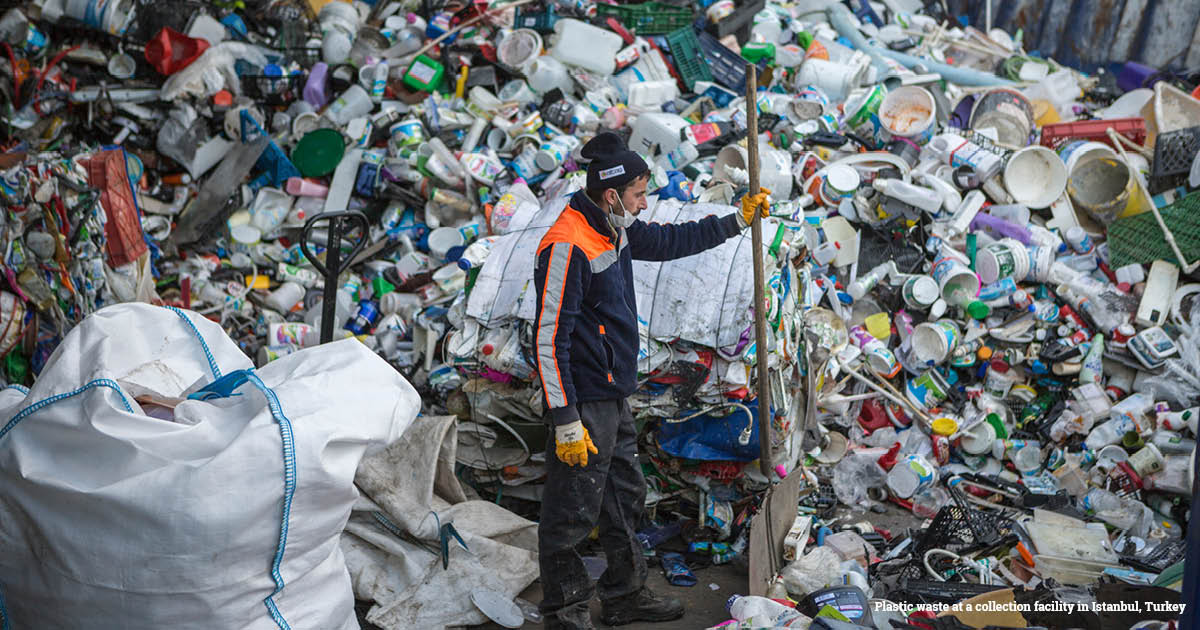
A new two-part investigation by The Guardian, found here in part one and part two, has exposed the hidden consequences of the UK’s plastic waste exports to Türkiye.
The investigation was informed by EIA analysis and traced thousands of tonnes of UK plastic waste sent for recycling in Adana, Türkiye, revealing how exported plastic is contributing to pollution in one of the country’s most important agricultural regions.
At the centre of this investigation is the work of Professor Sedat Gündoğdu, whose new research, Illicit discharges, global waste trade, and microplastic contamination in irrigation canals: evidence from Adana, Turkey, provides some of the clearest evidence yet of how plastic recycling operations can generate significant microplastic pollution.
By sampling waterways upstream and downstream of recycling facilities in Adana, Professor Gündoğdu and his colleagues identified dramatic increases in microplastic concentrations after wastewater discharge points, linking recycling activities to contamination of surrounding waterways.
The research reveals the missing link between exported plastic waste and environmental pollution – plastic does not need to be openly dumped or abandoned to become a source of contamination. The very processes intended to give plastic a second life – including shredding, washing and grinding – can release plastic fragments and microplastics into the environment and the rate of pollution is worsened when facilities lack adequate controls.
Together these findings reveal a deeply concerning reality – when members of the public put their plastic in the recycling bin, it does not necessarily disappear nicely in a circular economy. Instead, it is often exported overseas, where it shifts pollution risks onto communities, creating a form of waste colonialism in which the environmental costs of high consumption are displaced onto other countries.
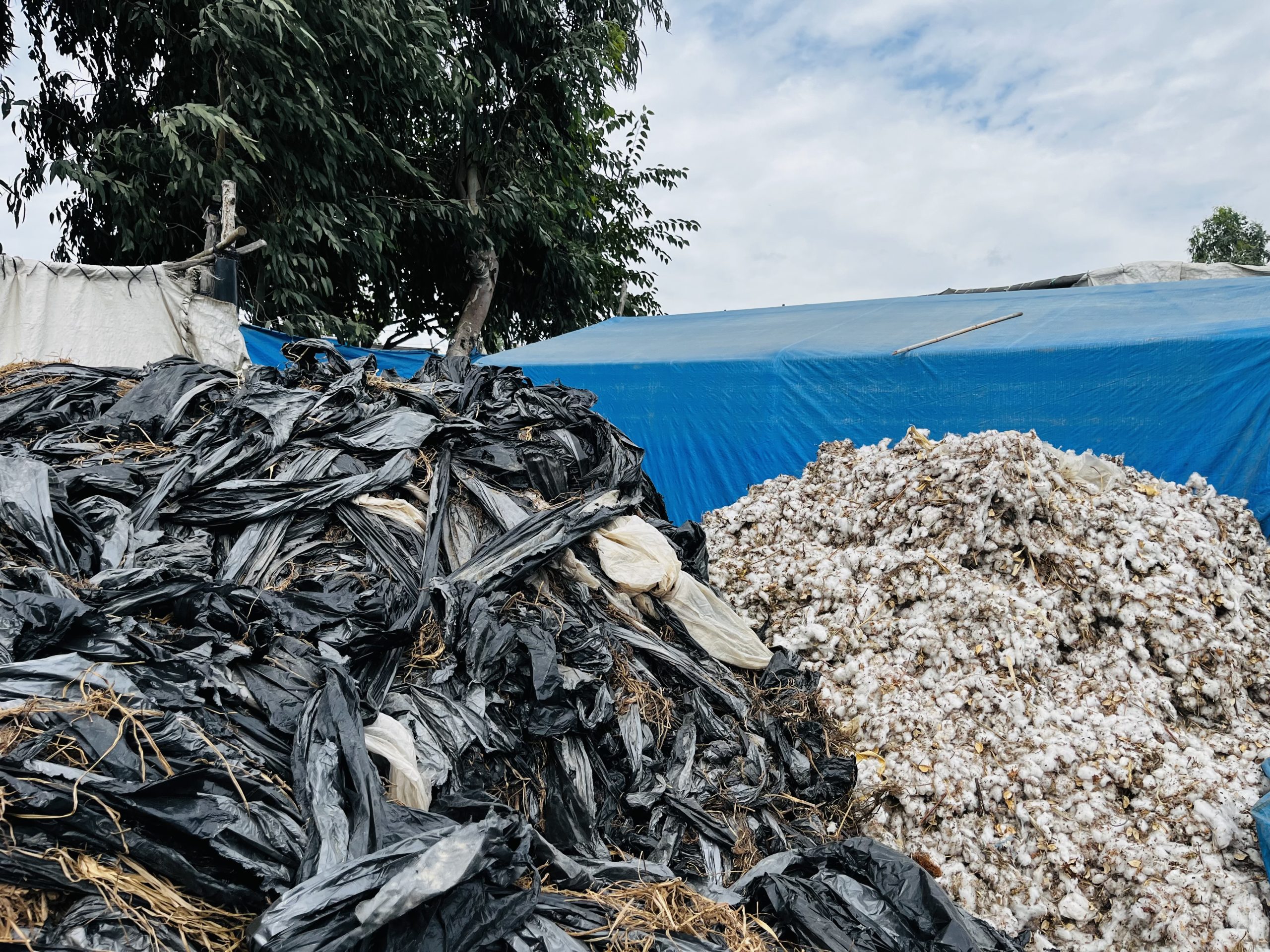
Agriplastics in Turkey (c) Umut Kuruüzüm
The findings from Adana reflect a much larger global challenge. Microplastic pollution is now a pervasive form of contamination affecting ecosystems, food systems and planetary processes.
As a guest on the recent EIA podcast Why tiny microplastics add up to a full-scale invasion across planetary systems, Professor Gündoğdu joined EIA Legal and Policy Specialist Amy Youngman and Senior Lawyer Tim Grabiel to discuss the links between microplastics, waste trade and the plastics lifecycle.
Their discussion also explored Grabiel’s research publication, Enhancing the Science-Policy Interface: A Conceptual Framework for Marine Microplastic Pollution, which examines the need for stronger links between scientific evidence and policy responses.
Pollution is not only created when plastic waste is abandoned or burnt in the environment. Microplastics are generated throughout the plastics lifecycle, with recycling as the third largest of the modelled sources of microplastic pollution.
The findings from Adana demonstrate this in practice. The microplastics identified downstream of recycling facilities included polyethylene (PE), polypropylene (PP) and polyethylene terephthalate (PET) – all polymers widely used in packaging products, including many of the household plastics which comprise exported waste streams.
Rather than representing a successful circular economy, the findings reveal the troubling reality that when the UK exports its plastic waste, it does not export responsibility for the pollution it creates; it exports the harm.
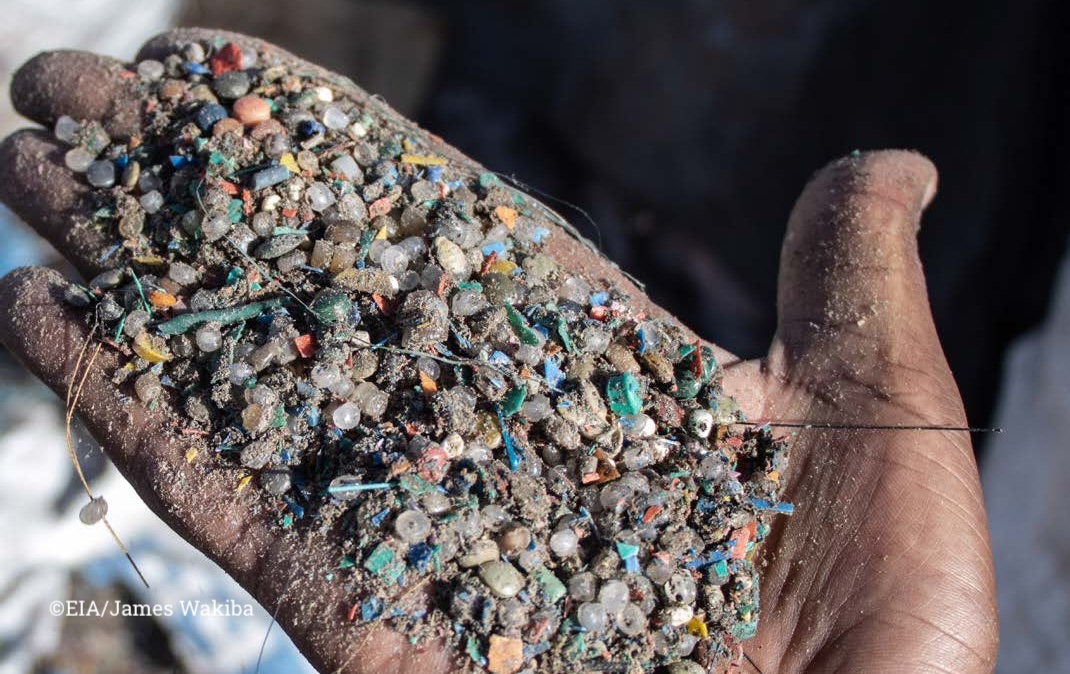
Microplastics found in the environment
The design of the UK’s packaging producer responsibility system incentivises plastic packaging waste which has recycling obligations to be exported, yet there is long-standing and real-world evidence, including from Türkiye, showing that recycling outcomes depend on where and how waste is processed.
A tonne of plastic counted as ‘recycled’ in such circumstances does not represent an environmental outcome aligned with the UK’s obligation to ensure it is environmentally sound, given that microplastics are poisoning waterways and surrounding agricultural lands.
The consequences extend beyond recycling facilities. The waterways contaminated by microplastics in Adana flow through one of Türkiye’s most productive agricultural regions, which grows crops including citrus fruits that enter international markets. The UK then imports agricultural products from Türkiye, demonstrating how pollution from the global plastics economy can intersect with shared food systems and end up right back on UK citizens’ plates.
Microplastics are transboundary. They move between land, rivers, oceans, the atmosphere and living organisms, meaning that pollution generated during plastic recycling in one country can contribute to contamination far beyond where it began.
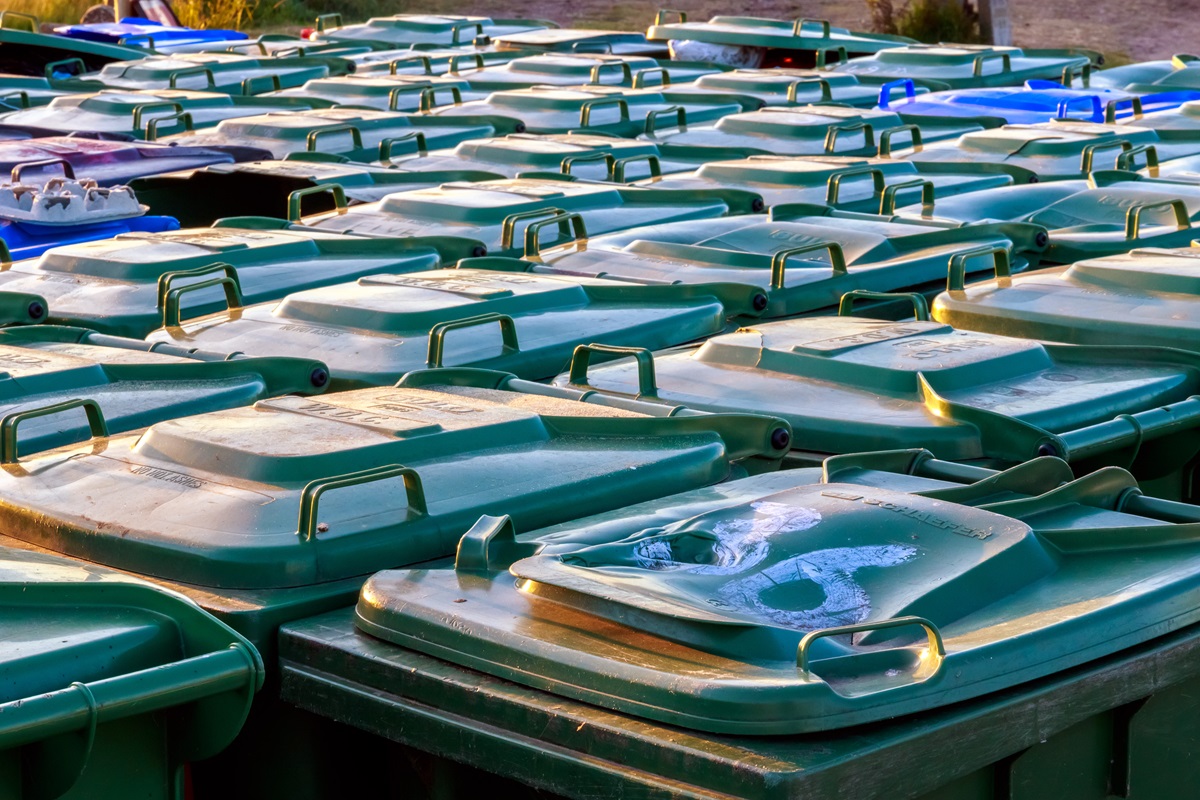
When ‘recycled’ UK plastic is shipped overseas, most people are unaware it comes back to us in the form of microplastic pollution in our foodstuffs
The UK needs to ban the export of its plastic waste.
If the UK is serious about tackling plastic pollution and supporting a genuine circular economy, it cannot continue relying on overseas communities to absorb the environmental consequences of high per capita consumption.
A ban on plastic waste exports is a critical first step towards ensuring waste is managed responsibly, under strong safeguards and with greater accountability.
Additionally, the evidence from Adana provides a clear warning that plastic waste exported out of sight does not disappear. Not only does it harm the environment in recipient countries, but it can also return through shared ecosystems, food systems and global supply chains.
The UK must take responsibility for the full lifecycle of its plastics – from production and design to waste management – and ensure that the environmental costs of plastic consumption are no longer displaced onto communities overseas.