

DONATE

Transnational organised environmental crime

Our response

EIA has been at the forefront of efforts to strengthen the international legal response to environmental crime under the UN Convention against Transnational Organized Crime (UNTOC) for more than two decades.

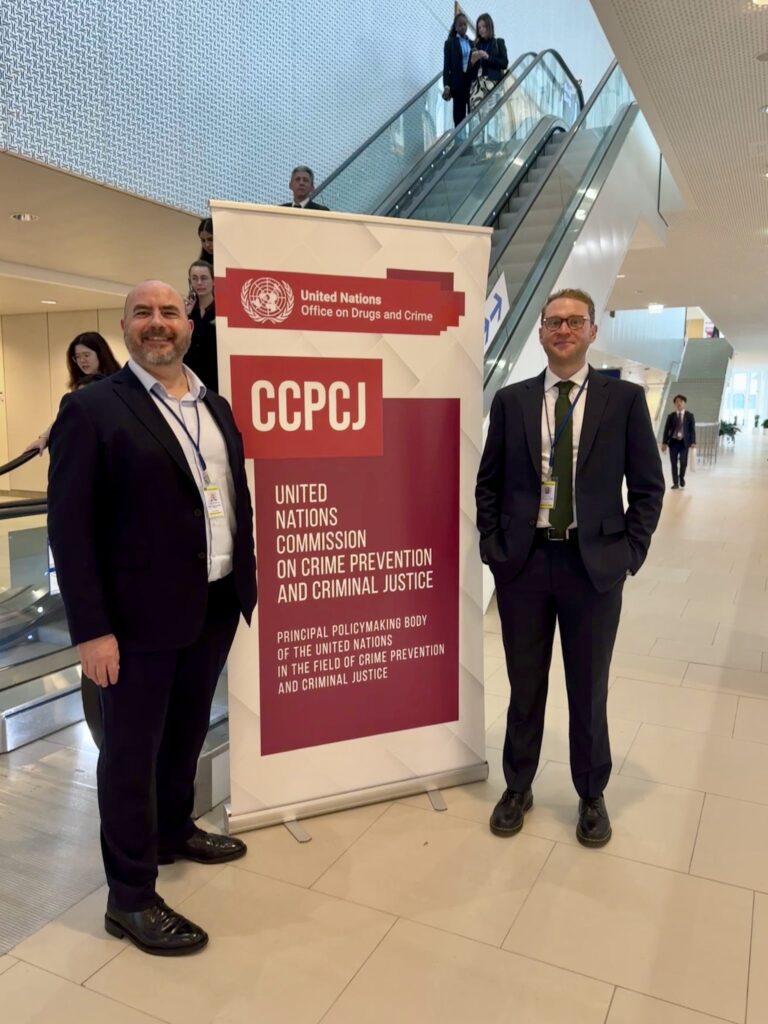
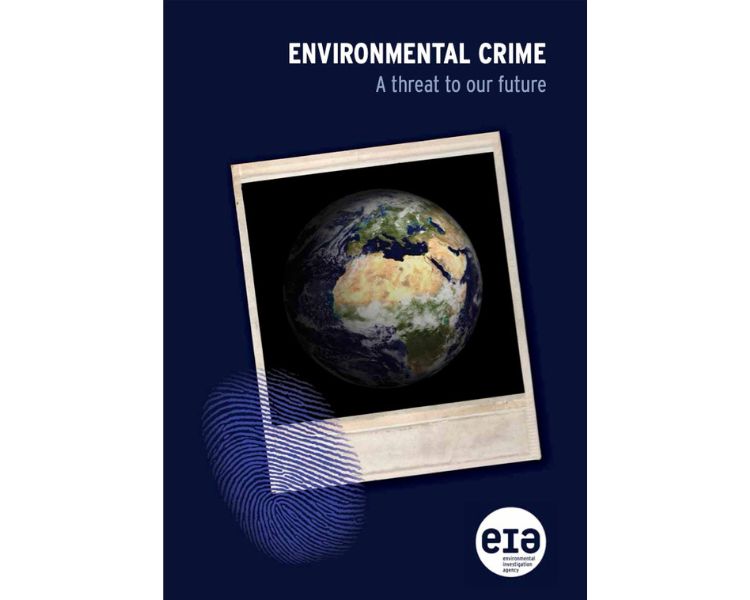
A landmark moment came in 2008 when EIA launched its report Environmental Crime: A Threat to Our Future at a side event during the 17th session of the Commission on Crime Prevention and Criminal Justice (CCPCJ) in Vienna. Presenting alongside then- UN Office on Drugs and Crime (UNODC) Executive Director Antonio Maria Costa, EIA helped spark a conversation about whether a new protocol to UNTOC could effectively address environmental crimes — a question that has continued to reverberate ever since.

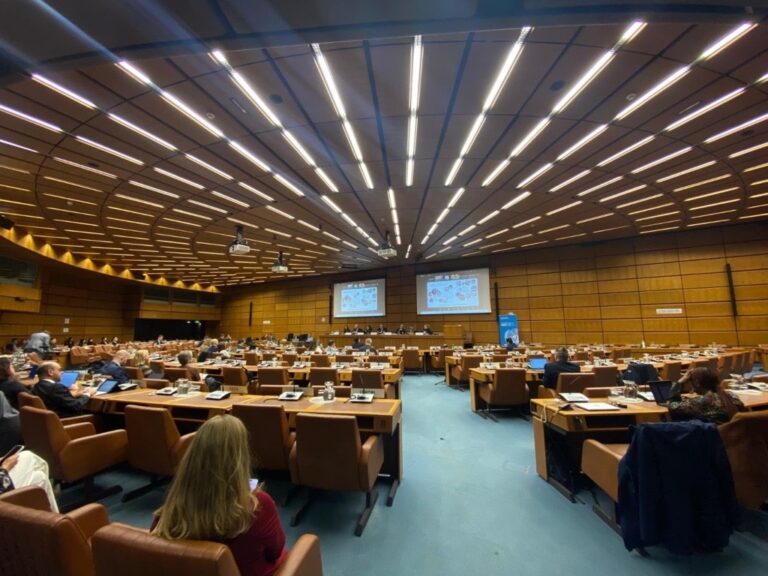
Over the years, EIA has repeatedly engaged at both the CCPCJ and UNTOC Conference of the Parties, producing briefings, reports and advocacy materials pushing for environmental crime to be treated with the same seriousness as other forms of transnational organised crime. EIA has partnered with organisations to present joint briefings at CCPCJ sessions, making the case that environmental crime constitutes serious transnational organised crime.

More recently, EIA’s engagement has intensified around the Open-ended Intergovernmental Expert Group on Crimes that Affect the Environment (IEG on CAE), established under UNTOC CoP Resolution 12/4. The IEG’s first meeting took place in July 2025 and the second in February 2026. The group will report to the 13th UNTOC CoP in October 2026. EIA has called on global policymakers to act decisively through this process, advocating for a comprehensive and holistic approach to confronting environmental crime.
Latest news


Reports and Briefings

FAQs

Organised environmental crime refers to illegal activities that harm the natural world — such as wildlife trafficking, illegal logging, waste dumping, and fisheries crime — when carried out by structured criminal networks for financial gain.

Just as organised crime groups traffic drugs or weapons across borders, criminal networks also traffic endangered animals, smuggle illegally felled timber or dump toxic waste in ways that evade regulations and enforcement. These are not opportunistic offences committed by individuals — they are sophisticated, profit-driven operations that often span multiple countries, involve corruption and generate billions of dollars annually.

What makes these crimes ‘organised’ is that they typically involve coordinated groups of people playing different roles, from poachers and loggers on the ground to smugglers moving contraband across borders and money launderers concealing the profits at the top. The same networks involved in environmental crime are frequently linked to other serious crimes such as drug trafficking, fraud and corruption.

Organised environmental crime drives species extinction, destroys forests, pollutes communities, destabilises ecosystems and strips natural resources from the countries and people who depend on them, while the profits flow to criminal enterprises rather than local economies.

UNTOC is the primary international legal instrument designed to combat organised crime across borders. It entered into force in September 2003 and has since been ratified by over 190 countries, making it one of the most widely adopted international treaties.

The Convention establishes a framework for international cooperation in preventing and combating transnational organised crime. It requires states to criminalise participation in organised criminal groups, money laundering, corruption and obstruction of justice. By harmonising national laws, UNTOC enables countries to work together more effectively through extradition, mutual legal assistance and joint investigations.

UNTOC is supplemented by three Protocols that address specific manifestations of organised crime. The Protocol to Prevent, Suppress and Punish Trafficking in Persons, Especially Women and Children — known as the Palermo Protocol — is widely regarded as the foundational international framework on human trafficking. The Protocol against the Smuggling of Migrants by Land, Sea and Air addresses the criminal networks profiting from irregular migration. The third Protocol targets the illicit manufacturing and trafficking of firearms.

The Convention is overseen by the Conference of the Parties (CoP), which meets regularly to review implementation and promote cooperation among member states. Despite its broad ratification, challenges remain in consistent implementation, particularly in states with weaker institutions. Nevertheless, UNTOC remains the cornerstone of the global legal architecture for fighting organised crime.