

A Pivotal Player
Vietnam’s ongoing fight against the illegal wildlife trade
This study was commissioned by the “Partnership against Wildlife Crime in Africa and Asia”, a global project implemented by GIZ on behalf of the German Federal Ministry for Economic Cooperation and Development (BMZ) and the German Federal Ministry for the Environment, Nature Conservation, Nuclear Safety and Consumer Protection (BMUV). The Partnership operates along the entire illegal trade chain in ivory, rhinoceros horn and pangolin from the countries of origin in Africa to the consumers.
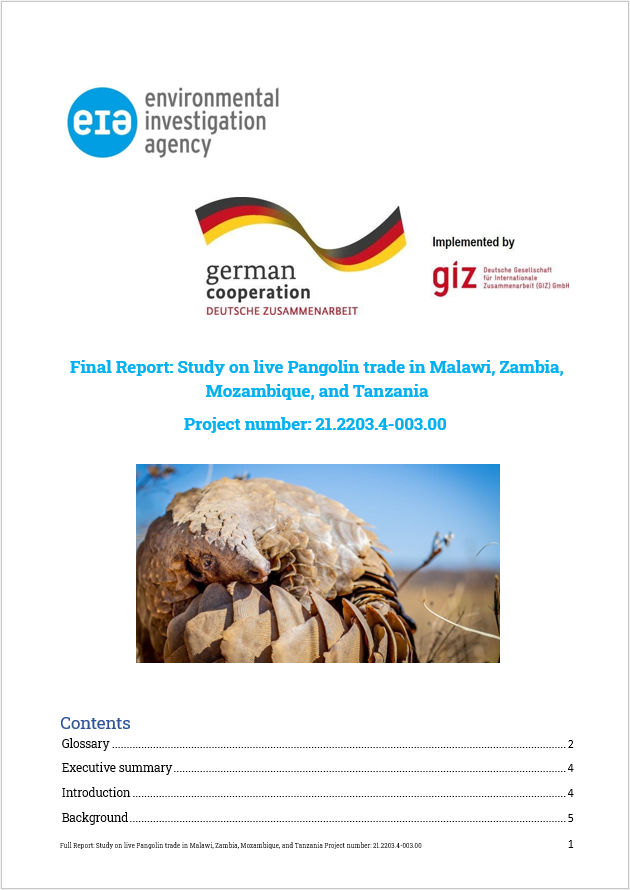
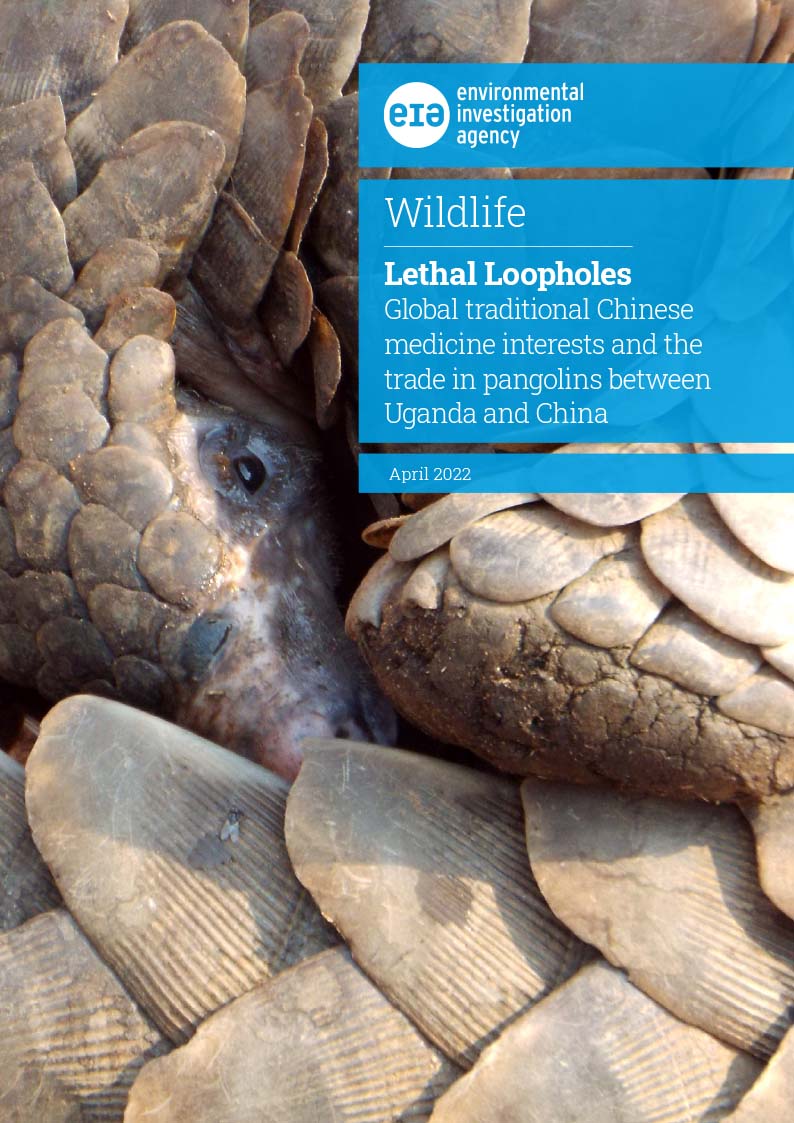
African pangolins continue to face an unprecedented threat from the transnational trafficking of their scales. This is primarily driven by demand from China, where the scales are used in Traditional Chinese Medicine (TCM), both legally and illegally.
Ahead of the 74th Meeting of the Standing Committee of the Convention on International Trade in Endangered Species of Wild Fauna and Flora (CITES), EIA has prepared comments and recommendations on agenda items relating to Elephants, Pangolins, Tigers and other Asian Big Cats, Rhinos, Totoaba, Saiga, enforcement and compliance matters.
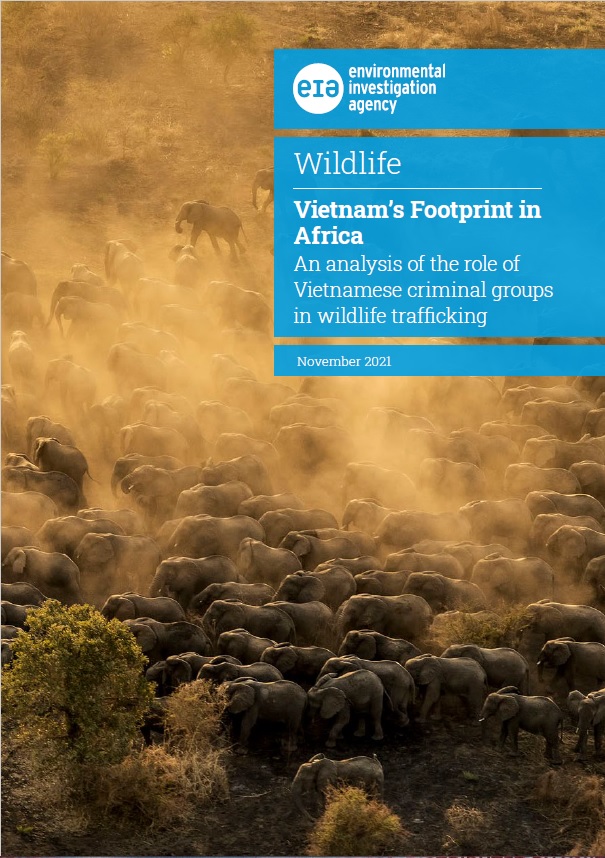
For a decade, Vietnam has been repeatedly highlighted for its role in the international illegal wildlife trade, so it is encouraging to see the recent efforts taken by the Government to address its involvement; it is to be congratulated for the measures it has taken and the successes it has had domestically.
Unfettered growth of TCM poses a serious threat to biodiversity in Africa, all in the name of short-term profit. Any utilisation of threatened species in TCM could stimulate further demand, incentivise wildlife crime and ultimately lead to overexploitation.