

Countries must not be allowed to turn back the clock with a return to ivory trade
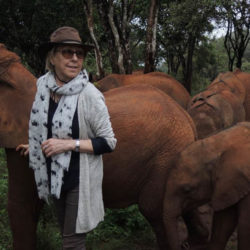
We have come a long way in working towards a better future for elephants – let’s not turn back the clock now by letting the ivory trade regain a foothold..
The annual UN International Anti-Corruption Day (9 December) provides an opportunity to reflect on whether the global community is making progress in curbing this persistent and pernicious crime – and in terms of the prevalence of corruption as a key enabler of environmental crime, the overall prognosis is not good.
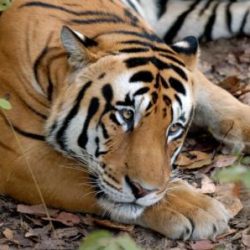
With fewer than 4,000 wild tigers remaining across Asia and approximately 30,000 rhinos in Asia and Africa, government leaders must do everything possible to end poaching and trafficking.
EIA has worked with some of the most dedicated groups, individuals and communities over the past two decades to ensure that valuable timber species are included in addressing transnational crime and that forests are seen as part of the international sustainable development agenda
Founded in 1984, we first began working to protect forests in the mid-1990s, through advocating a global forests convention. By the late 1990s it became clear a more direct approach was needed to curb tropical deforestation, we changed tack and began documenting illegal logging in a vital Indonesia orangutan habitat
The work of our Forests team is about far more than trees and the protection of the Earth’s precious remaining forests – it also keeps a sharp watch on the issue of forest conversion for cash crops, especially palm oil, and on related human rights issues such as corruption, governance and land rights