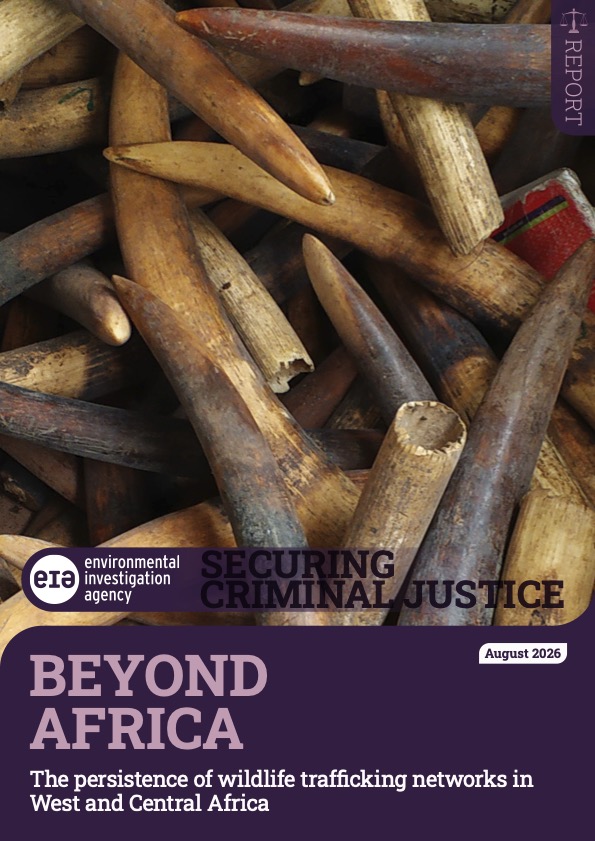
The illegal trade hasn't stopped, it’s adapted.
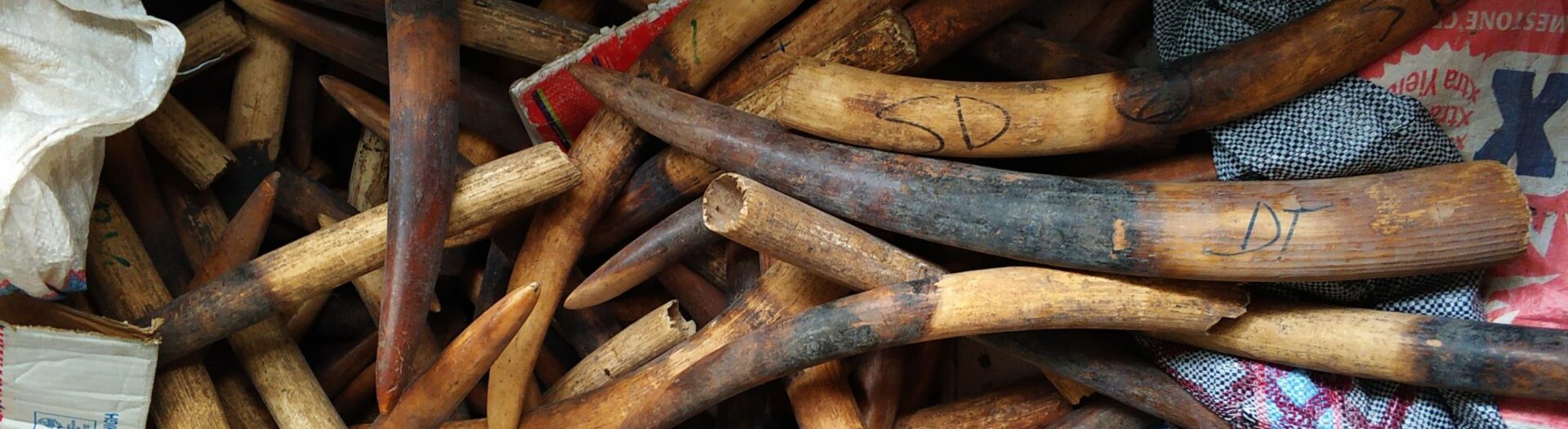
Stronger laws and more seizures have not dismantled the networks behind wildlife trafficking.
Our report presents the findings of six years of undercover investigations, intelligence-gathering and field research into wildlife trafficking networks operating across West and Central Africa.
The evidence reveals a troubling reality – despite stronger laws, increased interceptions of contraband and more arrests, the criminal networks behind the trade remain largely intact.
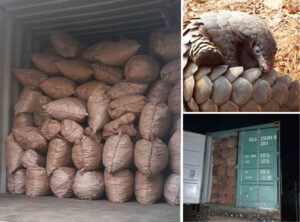
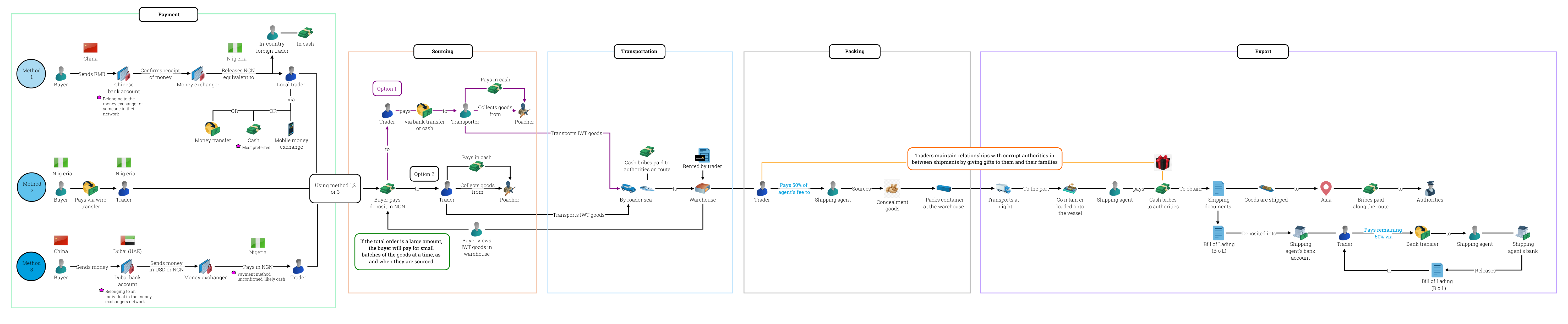
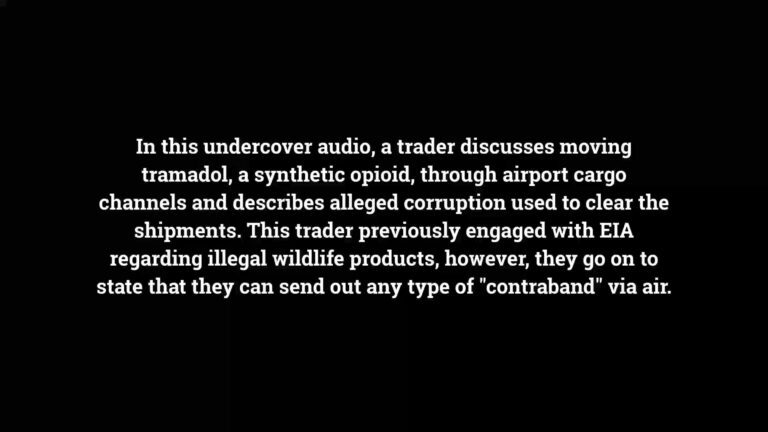
Rather than being dismantled, traffickers are instead changing export routes, adapting concealment methods and moving profits through often complex financial systems.
Nigeria remains a critical hub for wildlife products sourced across the region, including Cameroon, the Democratic Republic of the Congo, Gabon, Chad, the Central African Republic and the Republic of the Congo. The trade extends far beyond national borders, connecting source countries in Africa with consumer markets in Asia.
While there are genuine reasons for optimism - including Nigeria’s landmark wildlife crime bill, now awaiting presidential assent, and improvements to enforcement capacity – the report finds too much attention remains focused on seizures of contraband as enforcement outcomes rather than on the people, finances and corruption which sustain trafficking networks.