Will the Government of Iceland finally pull the plug on the country’s renegade whaling?

EIA wholeheartedly welcomes the announcement from the Government of Iceland that it intends to comprehensively revise its current Whaling Act – which could include a permanent ban on whaling.
The International Whaling Commission’s global commercial whaling moratorium has been in place for four decades this year and it remains one of the most effective international conservation measures in history.
The moratorium has enabled many whale populations around the world to begin to recover from the large-scale commercial and sometimes illegal hunting that took place in the second half of the 20th century.
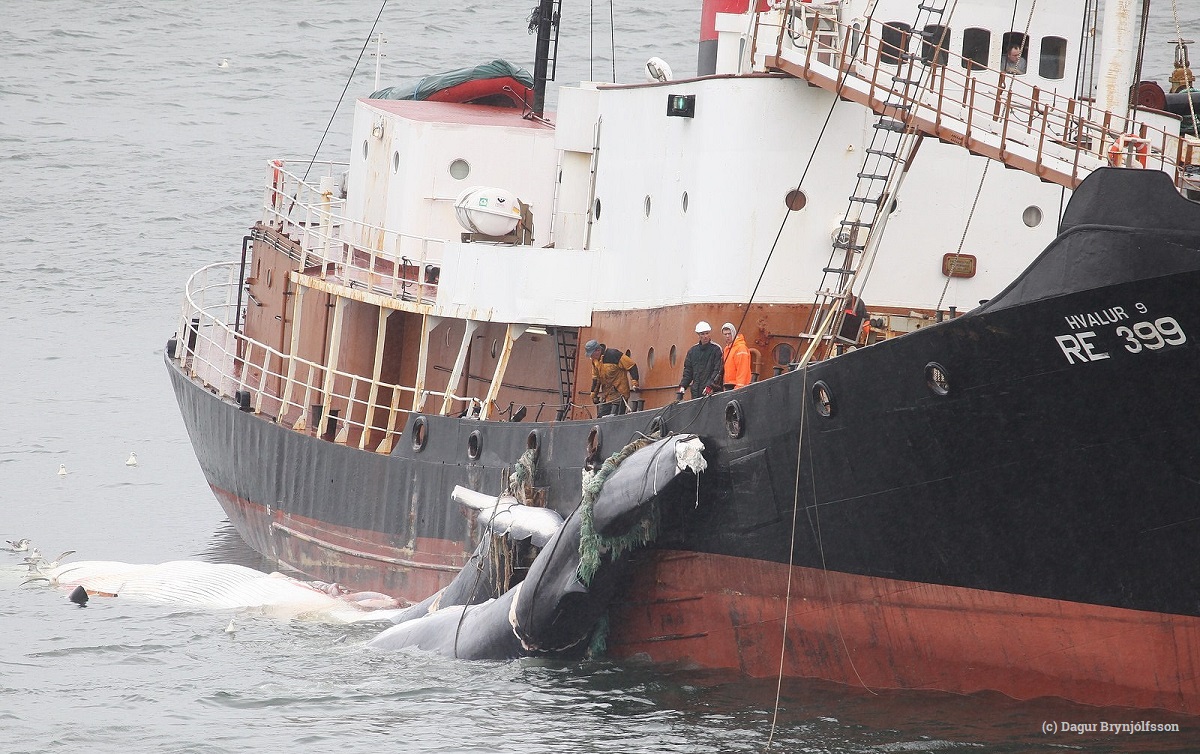
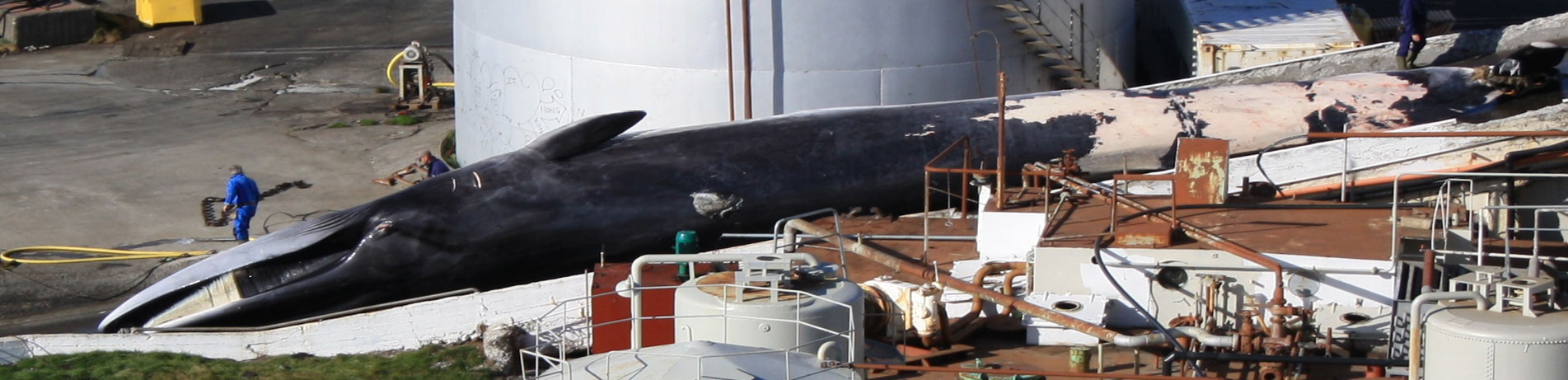
Icelandic whaling vessel with its catch (c) Dagur Brynjólfsson
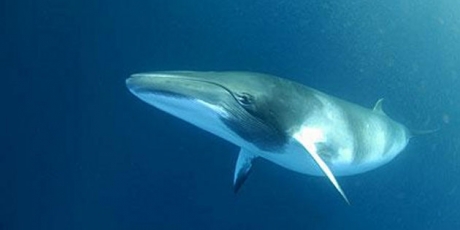
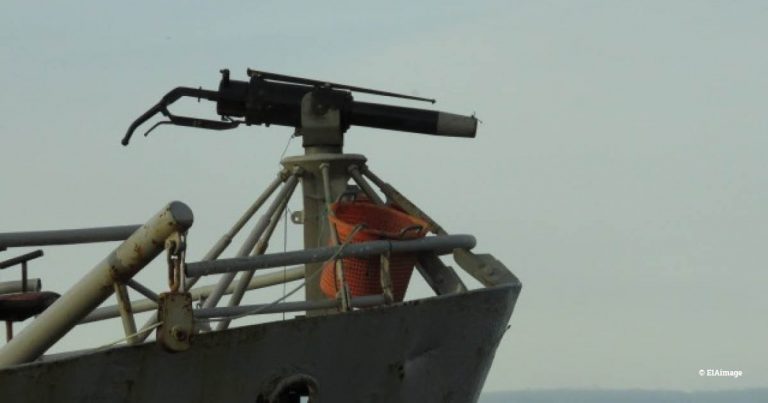
Iceland, along with Japan and Norway, continues to hunt whales in defiance of the ban. Iceland resumed special permit whaling in 2003, killing 200 minke whales over the following five years under the guise of scientific research. In 2006, it resumed commercial whaling under its contested reservation and has since killed more than 1,000 fin whales, classified as Vulnerable globally by the IUCN Red List, and more than 500 minke whales, exporting the majority of whale products to Japan.
Iceland conducted no whaling in 2024 and 2025. In addition to clear evidence by the Icelandic veterinary authority of the unacceptable cruelty of the fin whale hunt, there is no economic justification for continued commercial whaling. Of 2,700 tonnes of Icelandic fin whale meat exported to Japan in 2023, half remained in storage as of April 2026.
EIA Senior Ocean Campaigner Sarah Dolman said: “As one of the last hold-out nations whose whaling activities prevent this brutal, unnecessary practice from being consigned to the history books, it’s very encouraging to see Iceland seriously contemplating drawing a line under its whaling.
“We welcome this sign of progress and would hope it shows a lead for Japan and Norway to follow.”
The world’s cetaceans face a dramatic rise in threats resulting from other human activities, such as fisheries, climate change, pollution and vessel strikes, requiring us to end the hunts and strengthen the conservation and protection of all cetaceans.