Mexico’s plan to slash vaquita porpoise protected habitat would be a disaster


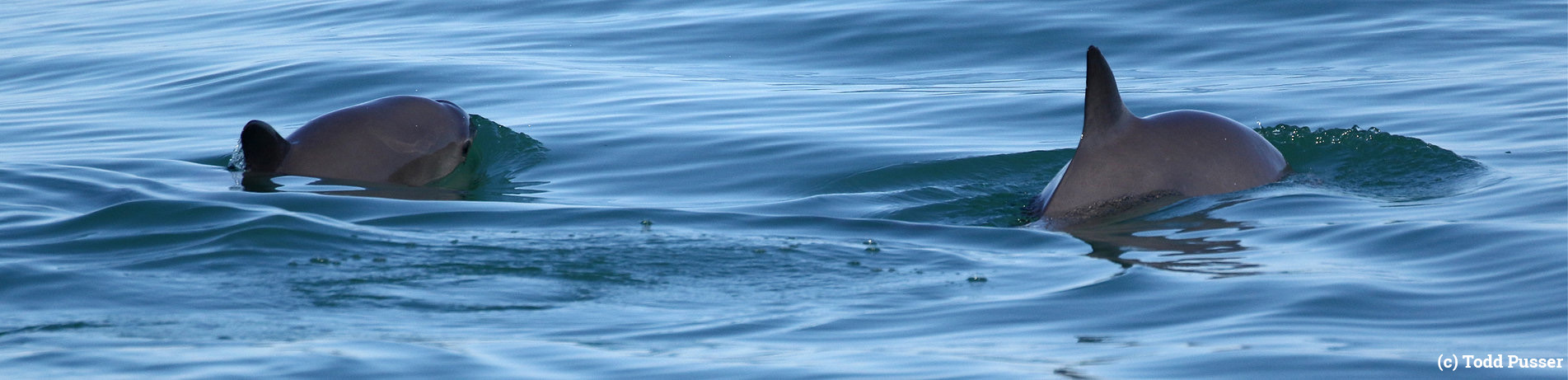
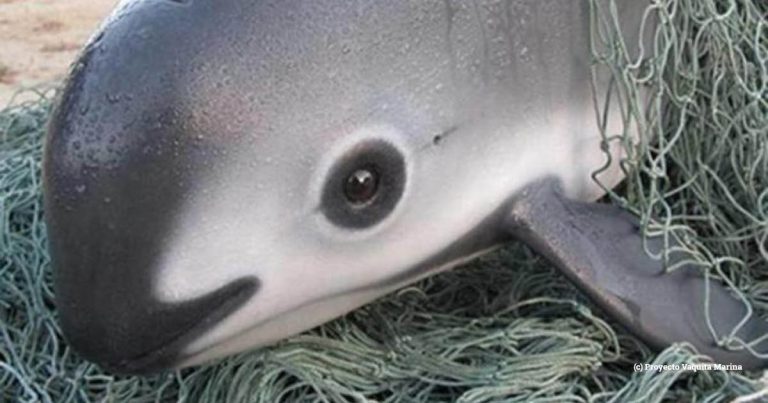
Despite the critically endangered vaquita porpoise still teetering on the brink of extinction, the Government of Mexico is considering a proposal to reduce its protected habitat by more than 85 per cent.
Scientists estimate that as few as 10 vaquita may remain in Mexico’s Gulf of California, the only place in the world they are found, although the latest population survey from 2025 recorded only seven to 10 individuals.
“With just a handful of vaquitas left, I’m stunned and appalled that the Mexican Government is proposing to reduce measures to protect them,” said EIA Senior Ocean Campaigner Sarah Dolman.
“Narrowing the scope of protection creates an extinction risk that the vaquita simply cannot afford. This would be a disaster for their chances of recovery.”

Gillnets are the primary cause of vaquita mortality in the Upper Gulf of California, Mexico (c) Chris Johnson
Vaquita are the most endangered marine mammal on the planet, their numbers devastated in recent decades as a result of being caught in gillnets set to capture totoaba fish and shrimp.
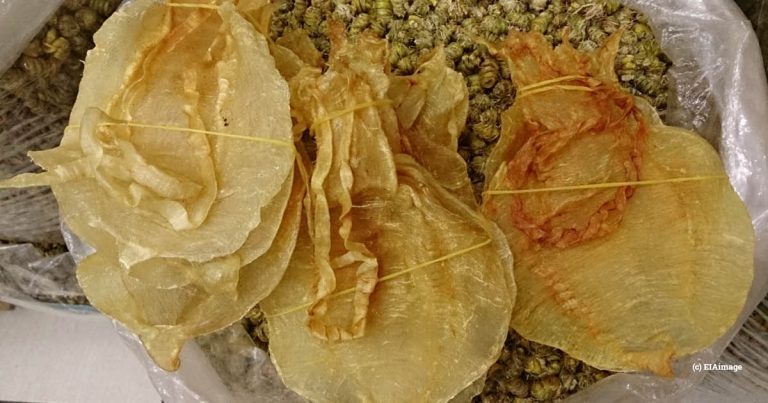
Totoaba swim bladders – known as maws – are in high demand in China and, increasingly, in other Asian countries as a symbol of wealth and for their purported, but unproven, medicinal value.
At a meeting of Mexico’s Intergovernmental Group on Sustainability in the Upper Gulf of California (GIS) on Thursday (5 February), the Government proposed new regulatory measures on gillnet use that will massively reduce protections for the vaquita.
The proposal originates with Mexico’s Ministry of Environment and Natural Resources (the Secretaría de Medio Ambiente y Recursos Naturales, or SEMARNAT), arguing that the change will benefit the region’s shrimp and clam fishers.
Dolman added: “Compared to the 2020 regulations, the Mexican Government’s proposal would reduce the area where gillnets are prohibited by more than 85 per cent.
“Instead of expanding enforcement, the Government is contemplating surrendering the vast majority of the vaquita’s habitat to static fishing nets – the very nets that have been responsible for driving their demise.”