Illegal trade from tiger farms still threatens the recovery of wild tiger populations



As wild tiger recovery advances, stronger controls are needed to stop trade from tiger farms.
Just six countries have submitted information to the Convention on International Trade in Endangered Species of Wild Fauna and Flora (CITES) on their efforts to address trade risks associated with captive tiger facilities of concern, leaving major gaps in assessing global progress.
With the 81st meeting of the CITES Standing Committee (SC81) under way in Geneva this week, EIA and other NGOs with expertise in conservation, animal welfare and wildlife trafficking are urging governments to strengthen oversight, transparency and reporting on captive tiger facilities of concern to help prevent legal and illegal trade channels from undermining global tiger conservation efforts.
Nearly two decades after parties to CITES agreed that tigers should not be bred for trade in their parts and products, and should only bred for conservation purposes, these experts warn that progress remains uneven and difficult to fully assess due to significant gaps in reporting by countries with captive tiger facilities of concern.

Captive tigers, China (c) EIA
In 2010, only about 3,200 wild tigers remained, threatened by habitat loss, poaching, illegal wildlife trade and human-wildlife conflict.
At that time, governments, Indigenous Peoples, local communities, rangers, conservation organisations and partners united behind a shared vision – and global tiger numbers have since risen to approximately 5,700 today.
However, tigers remain endangered and further action is essential to address these ongoing threats.
According to documents prepared for SC81, only six countries submitted information on their implementation of CITES measures aimed at improving government oversight of facilities keeping or breeding tigers for non-conservation purposes. The CITES Secretariat described this as a “very limited response”, making it difficult to assess progress or determine whether agreed measures are being effectively implemented and what further action is needed.
None of the countries provided sufficient information – such as the number of facilities which are keeping tigers or the number of tigers held in each facility – to determine whether captive populations are being restricted to levels that support conservation purposes only (as required by the long-standing CITES Decision).

Captive tigers in Laos (c) EIA
EIA and our NGO partners (Four Paws International, Wildlife Conservation Society, WWF and the Wildlife Justice Commission) are supporting recommendations before SC81 which would strengthen the implementation of existing CITES decisions to end tiger farming.
Experts have co-developed guidance and tools which can support governments in phasing out these problematic facilities, including related to facility inspections, tiger conservation breeding, the disposal of deceased specimens and the TigerBase DNA profile system to support enforcement.
We are also calling for improved reporting requirements ahead of future meetings. In particular, governments should be required to provide key information on facilities keeping or breeding tigers for non-conservation purposes, including the number of facilities and the number of tigers they contain, as well as records of births, deaths and transfers. Such information would enable CITES parties to better monitor trends, identify discrepancies and assess whether facilities may be contributing to trade risks.

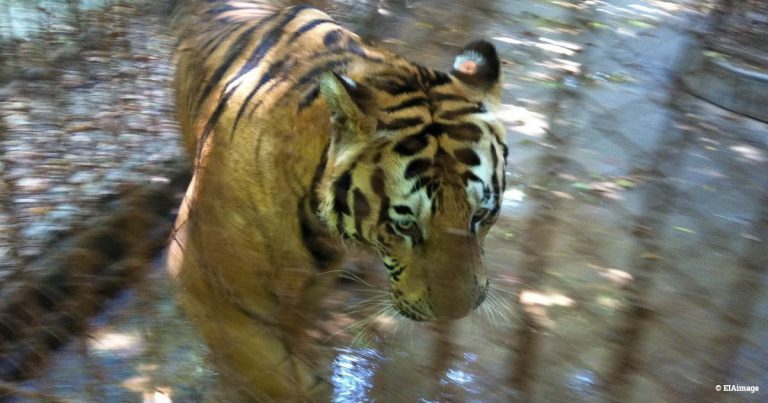
Wild tiger and young in India
EIA Asian Big Cat Campaign Leader Debbie Banks said: “Almost two decades after parties agreed to address concerns around captive tiger facilities, implementation remains inconsistent.
“SC81 offers an important opportunity to strengthen accountability, compliance and enforcement and to ensure countries have clear guidance, consistent expectations and transparent reporting requirements.”
We and our partner NGOs are also encouraging funding support for CITES to commission independent assessments of global progress in addressing captive tiger facilities of concern and broader illegal tiger trade risks, as agreed by the parties in 2025. Go Insight’s 2025 report The Trade in Asian Big Cats: An Analysis of Trends, Threats, Measures and Strategies provides a good example of such reporting.
The call comes as tiger range countries continue investing significant effort and resources into protecting wild tiger populations and combating wildlife crime.
Banks added: “These organisations stress that preventing captive facilities from being exploited for trade remains essential to maintaining those gains and securing a viable future for wild tigers.”