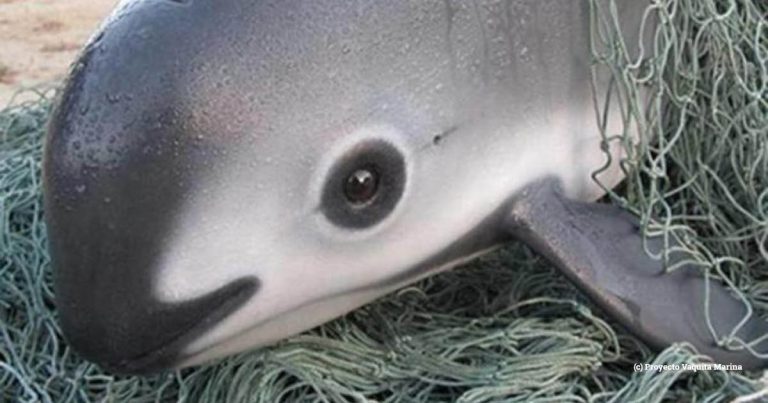
Critically endangered vaquita porpoise at greater risk of extinction as Mexico cuts protections

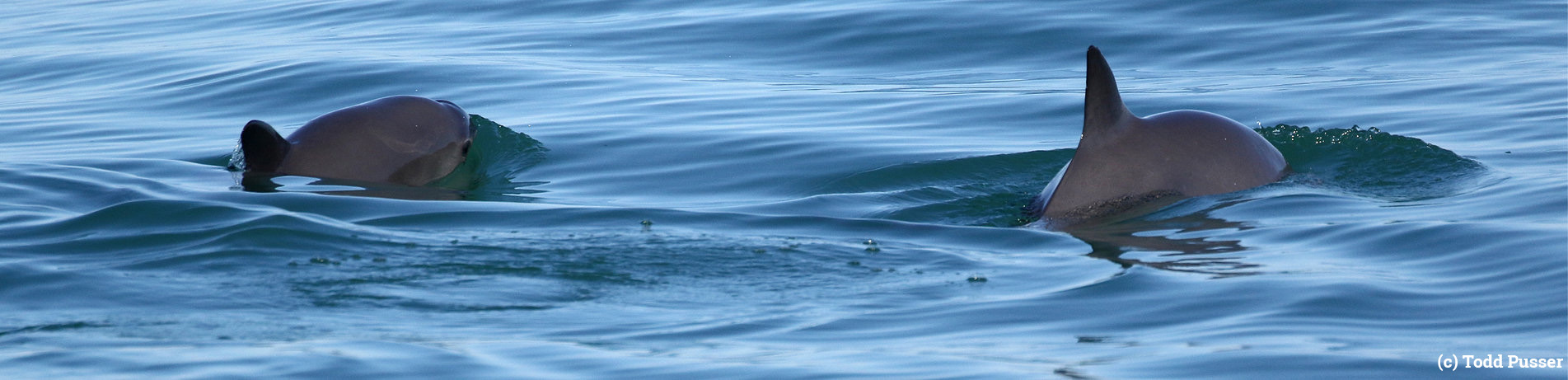
Mexico has weakened protections for the critically endangered vaquita porpoise, opening vast new areas in the Upper Gulf of California to the deadly gillnet fishing which has driven the species’ precipitous decline.
Scientists estimate that only about 10 vaquitas remain, down from nearly 600 animals in 1997.
But Mexico’s new rules eviscerate protections adopted in September 2020, which were not fully implemented and would have significantly improved the vaquita’s chance of recovery.

Gillnets used by fishermen to catch shrimp and totoaba are the primary cause of vaquita mortality (c) Chris Johnson
Vaquitas face one primary threat – they become entangled and drown in gillnets used to catch shrimp and totoaba, an endangered fish whose swim bladder, or maw, is trafficked primarily to Asia for enormous profits.
EIA Senior Ocean Campaigner Sarah Dolman said: “Vaquitas are the most endangered marine mammals in the world. Their numbers have declined rapidly because of illegal fishing with static nets, including for totoaba maws for the high-end Asian black market.
“Both China and the US seized large numbers of totoaba maws in 2026 but the illegal fishing continues to feed this transnational trade which is still very active. Mexico should be doing all it can to implement robust management measures to keep nets out of the vaquitas habitat, yet it has chosen to weaken the flawed measures currently in place.
“We fear this irresponsible step could very well sound the death knell for vaquitas.”
Mexico’s new regulations reduce the area where gillnets were prohibited by approximately 86 per cent, removing the gillnet ban from thousands of square kilometres of the vaquita’s historical habitat.
The new regulations also establish a vessel transit corridor approximately 350m wide through the “Zero Tolerance Area,” from which both fishing and vessel traffic had been prohibited. These changes undermine enforcement efforts to prevent illegal gillnet fishing and totoaba trafficking.
The new regulations also create opportunities for potentially harmful fishing activity in and around vaquita habitat. They allow authorised gillnet fishing outside the newly reduced gillnet prohibition area, establish a Special Use Area where fishing by free diving or hookah (where air is supplied to an underwater diver through a long hose, removing the need to carry heavy scuba tanks) is permitted and shorten the nighttime fishing prohibition by three hours.
Although the regulations call for the implementation of satellite vessel tracking, this requirement will not take effect for another 12 months.
These changes will increase fishing pressure in areas important to the survival of the critically endangered vaquita.