Towards a Methane Abatement Framework
This briefing sets out how a coordinated Methane Abatement Framework can accelerate methane reductions in the global fossil fuel sector.


This briefing sets out how a coordinated Methane Abatement Framework can accelerate methane reductions in the global fossil fuel sector.
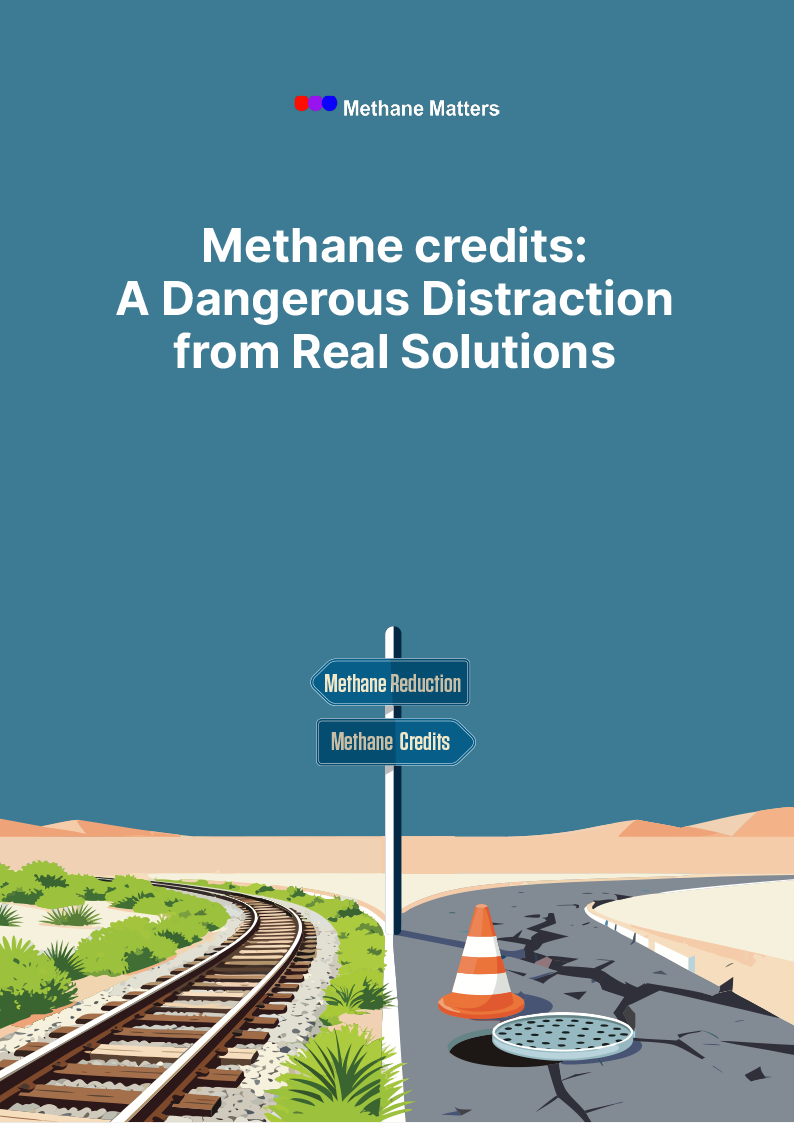
This briefing analyses what is driving the use of methane credits and the issues that accompany them. It explores the structural weaknesses inherited from carbon markets, the added challenges specific to methane, and examples from real-world projects that reveal how these systems function in practice.
Contribution to the COP 30 Presidency Roadmap on the Transition Away from Fossil Fuels in a Just, Orderly and Equitable Manner.
EIA's response focuses on three critical issues to the integrity and effectiveness of the revised Governance Regulation: avoiding deregulation, preserving the EU Methane Regulation, and strengthening Member States planning, reporting and monitoring of fossil fuel consumption and production.
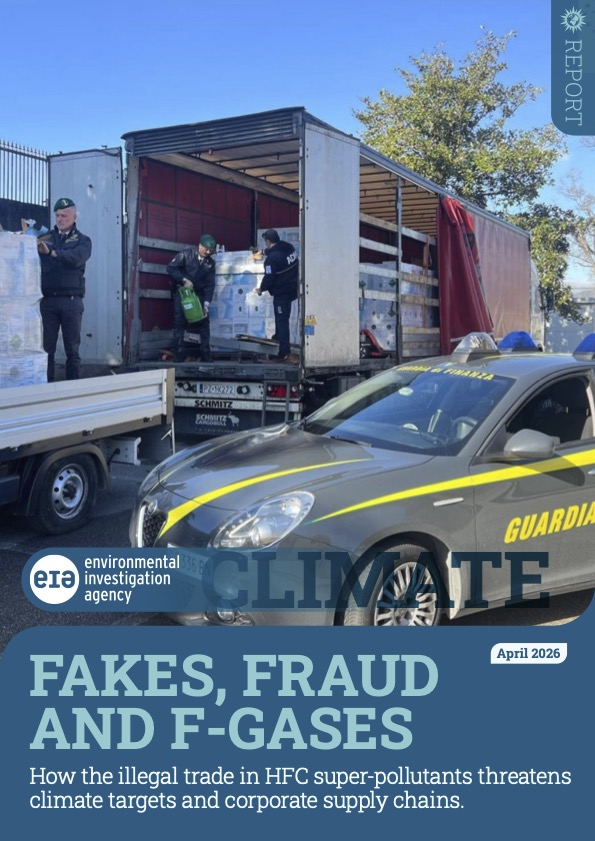
Fakes, Frauds and F-Gases exposes how illegal trade in hydrofluorocarbons (HFCs), potent greenhouse gases used in cooling equipment, continues to undermine climate policy across Europe.
This document outlines the key measures on HFCs in Regulation (EU) 2024/573 on Fluorinated Greenhouse Gases.