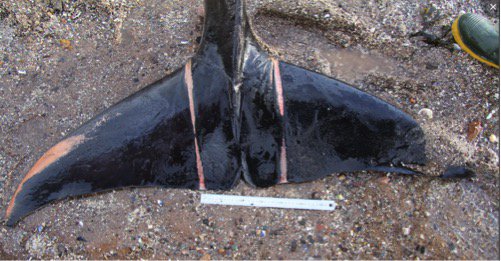
Plans to protect Atlantic humpback dolphins are moving forward in Congo!
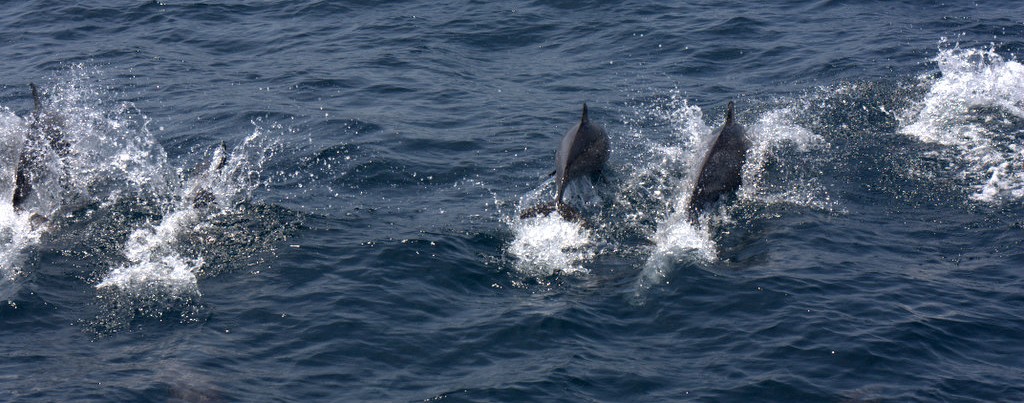
As part of the International Whaling Commission’s Bycatch Mitigation Initiative (BMI), five members of the IWCs Bycatch Expert Panel (of whom I am one) contributed to a 10-day bycatch risk assessment workshop in the Republic of Congo.
The Consortium for the Conservation of Atlantic Humpback Dolphins (CCAHD) helped to bring together all the relevant partners and organise the workshop. As the Chair of the CCAHD bycatch working group, I was closely involved in workshop preparations.
The event last month was led by Professor Ellen Hines and Dr Fernanda Barilari and, while visiting, we also participated in a national one-day Cetacean Conference.
We were generously hosted by Congolese partner Renatura, with representatives from Noé and the Wildlife Conservation Society also bringing valuable data to the workshop.
Dolphin and fisheries data were analysed and early results were presented to enable us to identify areas of potential overlap between coastal artisanal static net fishing and critically endangered Atlantic humpback dolphins within Congo.
Our plan is to put in place measures to prevent fisheries bycatch of this declining dolphin population.
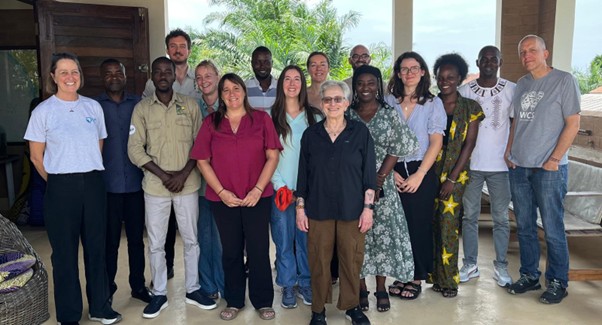
IWC bycatch risk assessment workshop attendees at the Renatura office in Congo
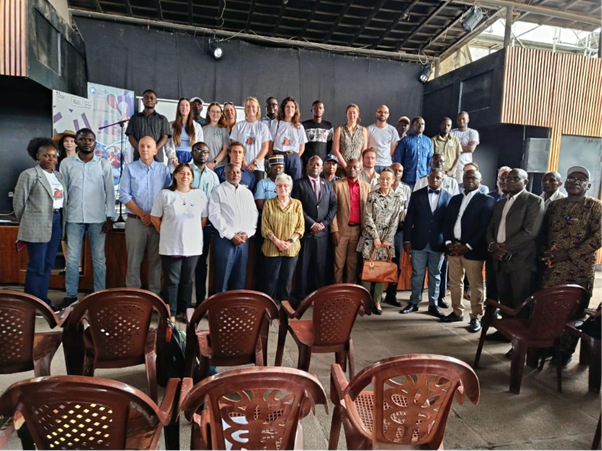
More than 40 participants, including government agencies, fishing associations, offshore industry, embassy representatives and conservation groups, attended Renatura’s Cetacean Conference and engaged in lively discussions between presentations.
Representatives from the Ministry of Fisheries and IWC Executive Secretary opened the event at which national research on humpback whales, Atlantic humpback dolphins and the threats they face in Congolese waters were shared and there was also a focus on fisheries bycatch and solutions for artisanal fisheries.
As vice-chair of the IWC’s bycatch Standing Working Group, I was pleased to present on the work of the IWC BMI, including introducing pilot projects such as this one that we are working to set up in Congo. I learnt much about Congolese cetacean conservation efforts and very much enjoyed the enthusiastic engagement of the audience.
In addition, Dr Federico Sucunza provided demonstrations of the use of empty plastic bottles on nets, which are undergoing trials to prevent the byacatch of franciscana dolphins in Brazil, to fishing communities in the coastal towns of Pointe Noir and Bellelo.
Discussions and demonstrations with fishers and international experts will help Renatura determine how to setup robust trials similar to those already under way in Brazil.
In addition, Dr Gianna Minton, General Secretary for the Consortium for the Conservation of the Atlantic Humpback Dolphin (CCAHD), took the opportunity of being in Congo to provide training to Renatura and Noé colleagues in boat-based cetacean survey methodology and data collection techniques from stranded cetaceans.
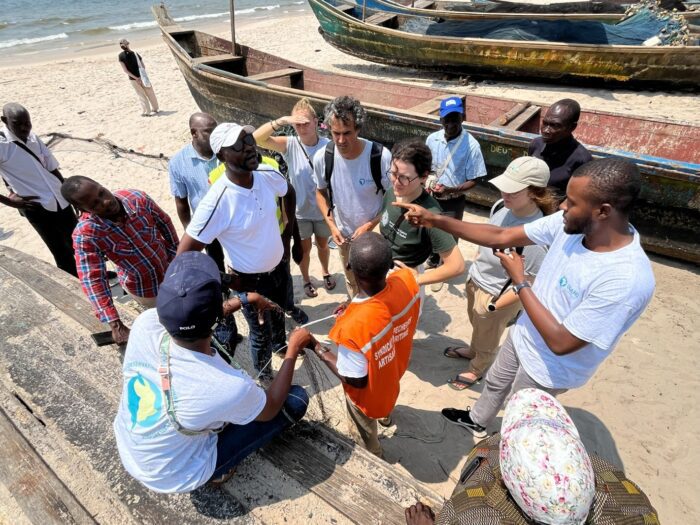
Discussing bycatch mitigation with fishers in Pointe Noire (c) Gianna Minton
There is a long road to travel to protect Atlantic humpback dolphins from fisheries bycatch, but this early engagement and the willingness of the Congolese fishers was very welcome.
We now look forward to a fruitful discussion about the results of the work and necessary next steps at the IWC Scientific Committee meeting due to be held in Bled, Slovenia in April.