Nickel brands listed on the London Metal Exchange tied to deforestation in Indonesia
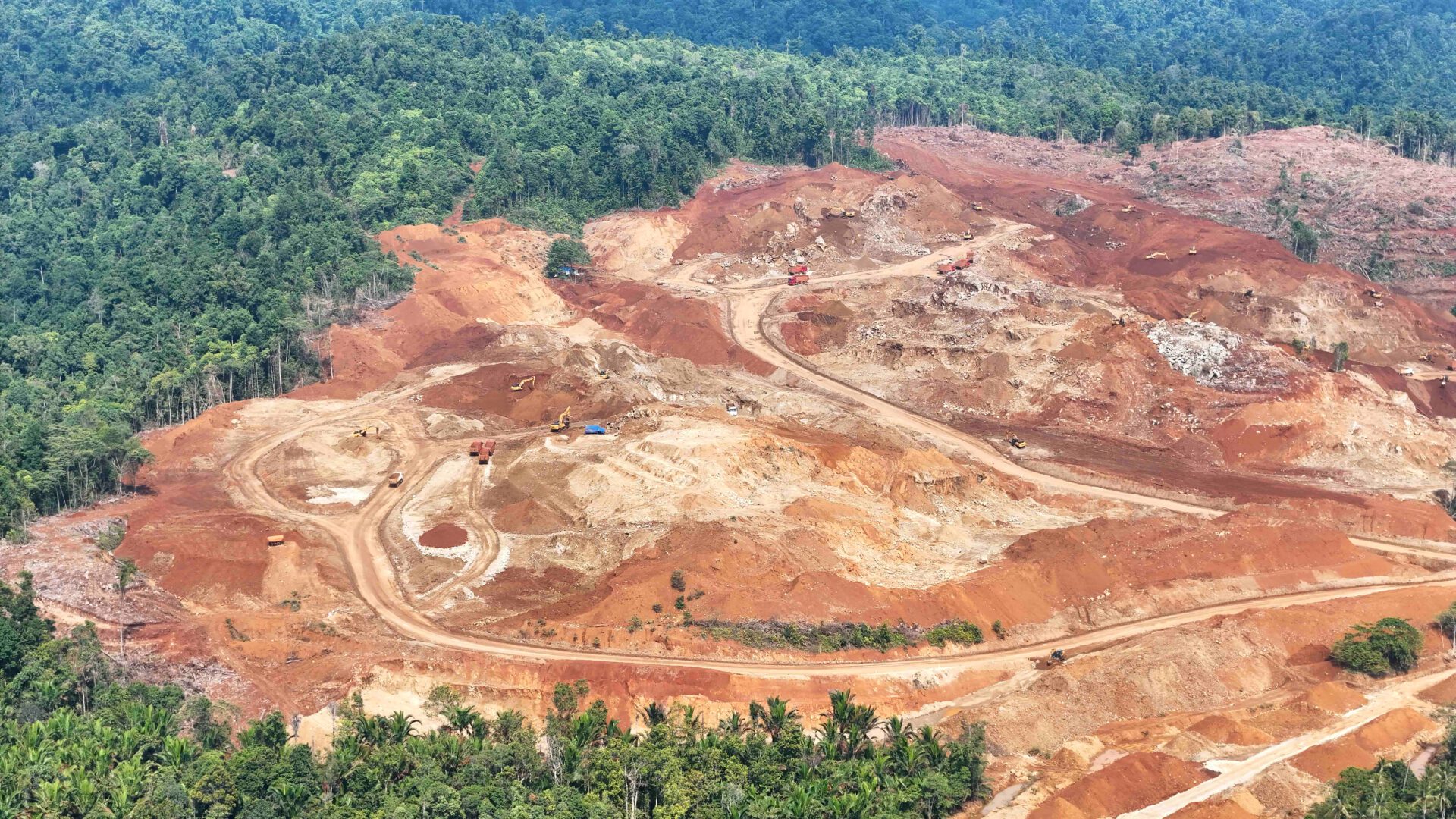
A new EIA report released today (21 October) reveals that nickel brands trading on the London Metal Exchange (LME) appear to be connected to Indonesian mine sites where 7,270 hectares of climate critical rainforests have been destroyed.
The area affected is more than 25 times the size of the City of London’s financial district, also known as the ‘Square Mile’.
Our findings highlight significant shortcomings in the LME’s responsible sourcing framework and broader sustainability programme.
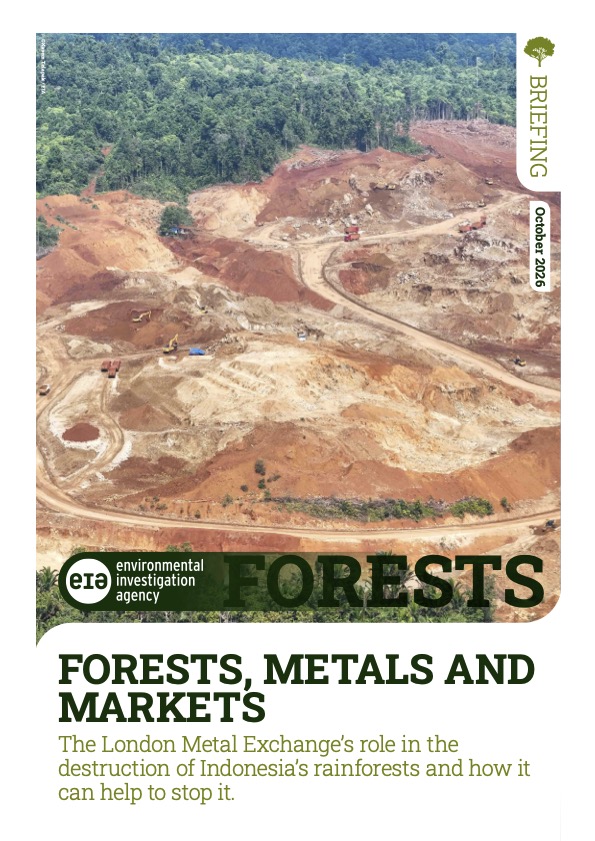
The report, Forests, Metals and Markets – The London Metal Exchange’s role in the destruction of Indonesia’s rainforests and how it can help to stop it, is released during LME Week (19-23 October) and examines the supply chains behind two Indonesia-based nickel refiners approved to trade on the LME and finds strong evidence that they are linked to nickel mining projects that have caused extensive deforestation in some of South-East Asia’s most biodiverse and climate-critical forests.
 The LME, the world’s largest marketplace for industrial metals, facilitates trading worth more than £10 trillion annually and plays a critical role in setting global benchmark prices for metals such as nickel, copper and aluminium.
The LME requires listed brands to comply with responsible sourcing rules, focused largely on Organisation for Economic Co-operation and Development (OECD) guidance on conflict minerals.
But EIA’s investigation highlights that these requirements do not adequately address deforestation, biodiversity loss or the broader environmental harms associated with industrial mining.
The report’s findings come against the backdrop of a dramatic expansion of Indonesia’s nickel industry. Previous research cited in the report estimates that nickel mining has already driven the loss of more than 75,000 hectares of forest across Sulawesi and North Maluku, destroying forests renowned for their biodiversity and array of unique endemic species. Hundreds of thousands more hectares of forest in Indonesia remain at risk of future clearance to make way for nickel mining.
EIA Forests Campaign Lead (Mining) Colin Robertson said: “Companies rely on the LME partly as a badge of responsible sourcing, but our findings show that metals approved for trading on the Exchange may nevertheless be linked to the destruction of globally important rainforests.
“Forests, Metals and Markets argues that current LME responsible sourcing rules are simply not designed to tackle the environmental realities of large-scale industrial mining. If the LME genuinely wants metals to be the cornerstone of a sustainable future, deforestation can no longer be a blind spot.”
EIA focused its investigation on two LME-approved Indonesian nickel refiners – PT CNGR Ding Xing and PT Eternal Nickel Industry (ENI). Both operate within Indonesia’s rapidly expanding nickel industry which has become central to global supply chains, particularly for steel and electric vehicle batteries.
Although neither of the LME-approved companies publicly discloses the specific mines supplying their refineries, EIA analysed corporate ownership records, investor disclosures and supply chain information to identify the mines most likely to be the source of ore to the refineries.

Screen grab from a viral video showing uncontacted Hongana Manyawa people entering WBN’s nickel concession
The investigation found links to multiple nickel mining operations which have caused significant forest loss and raised concerns regarding impacts on Indigenous forest-dependent communities.
Among the most striking findings is the apparent connection between ENI’s supply chain and the giant Weda Bay Nickel mine in North Maluku. EIA found evidence that Weda Bay Nickel has strong ownership links with ENI and that nickel ore from Weda Bay Nickel has entered processing facilities owned by ENI’s Chinese shareholders.
Since 2006, more than 5,700 hectares of forest have reportedly been cleared within the Weda Bay Nickel concession area. The site overlaps areas recognised for their exceptional biodiversity and is reportedly home to communities of the Indigenous Hongana Manyawa people, including groups living in voluntary isolation.
The investigation also identified links between PT CNGR Ding Xing and mining companies responsible for large-scale forest clearance in Sulawesi and Halmahera. These include concessions where hundreds of hectares of tropical forest have been converted for nickel extraction and associated infrastructure. EIA additionally found reports alleging violations of forest regulations by one of these mining companies and concerns regarding the rights of Indigenous and forest-dependent communities.
Forests, Metals and Markets calls on the LME to strengthen its standards by expanding the scope of responsible sourcing requirements, developing a dedicated zero-deforestation standard through its LMEpassport platform and incorporating deforestation criteria into proposed plans for a Sustainable Metals Premium.
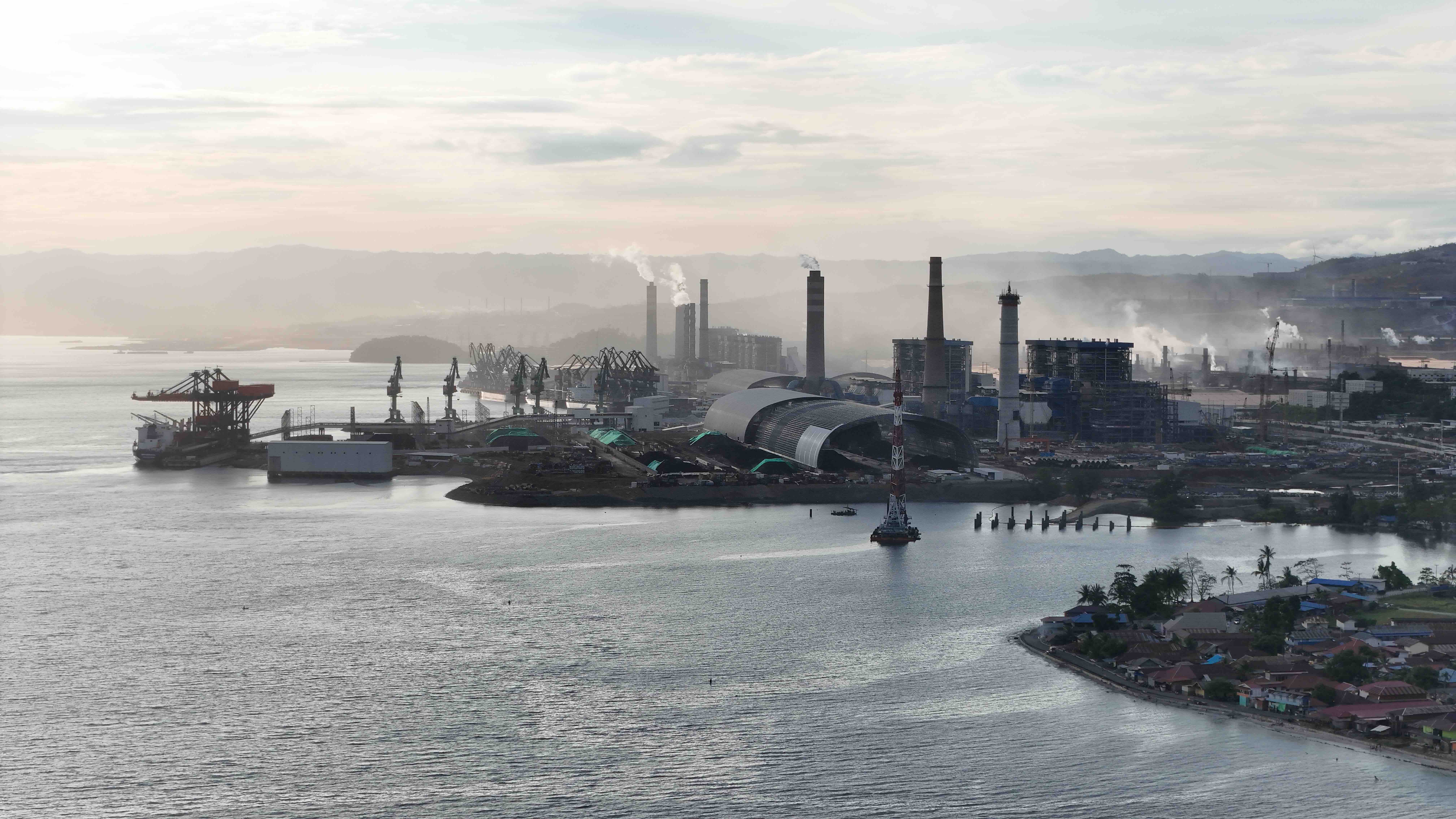
Weda Bay’s nickel processing hub (c) EIA/Kaoem Telapak
Robertson added: “The demand for critical minerals is accelerating, but the world’s remaining tropical forests must not be sacrificed in the rush for metals. This issue is something that consumers are increasingly aware of and demand for “deforestation free” metals from downstream companies, such as car makers, is only likely to grow.
“The LME has both the influence and the opportunity to drive meaningful improvements across mining supply chains. Introducing robust, traceable and independently verifiable ‘zero-deforestation’ standards would be an important step towards addressing some of the worst environmental destruction connected with the mining and metals sector.”