From Teesside to the Global Plastics Treaty – why plastic production cannot be forgotten


When most people think about plastic pollution, they think about littered beaches, entangled wildlife and overflowing landfills in faraway places.
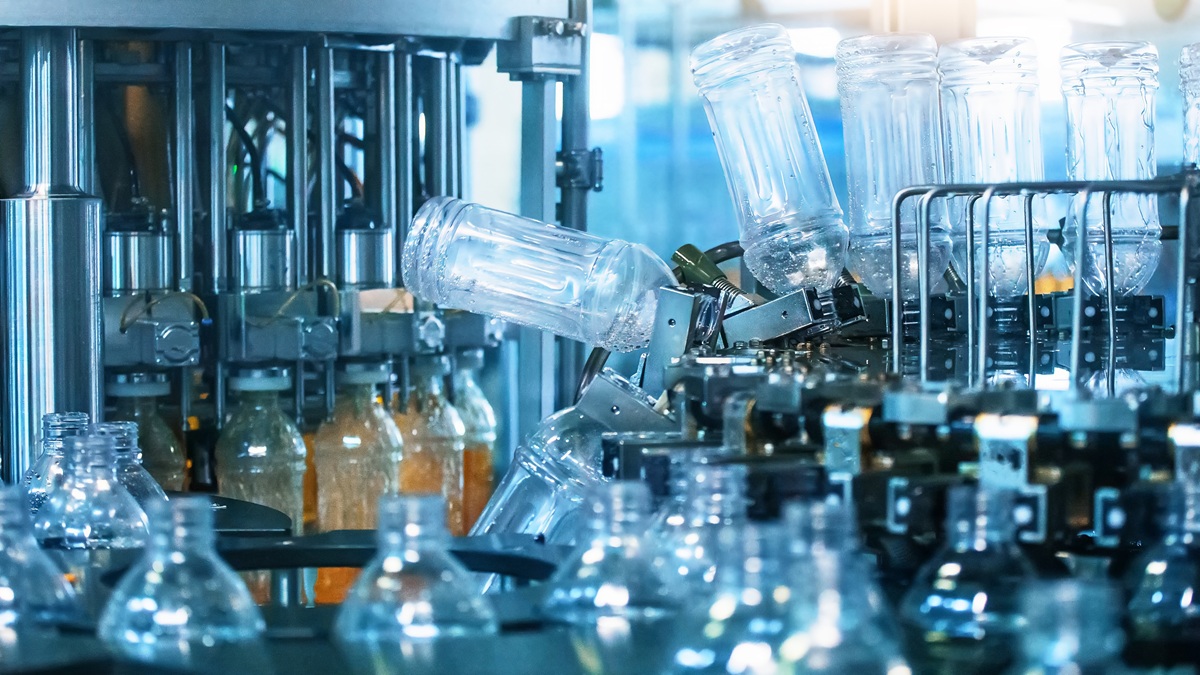
The reality is that the plastics crisis doesn’t begin (or end) with these visible impacts, it starts much earlier with the extraction of fossil fuels and the production of the plastics themselves, where toxic emissions pose a direct threat to communities and the environment.
Recent reporting by The Guardian has turned a spotlight on this often-overlooked reality, one that isn’t confined to countries managing the rapid expansion of petrochemical infrastructure but which is right here on our doorsteps in the UK.
The Environment Agency is considering legal action against petrochemical manufacturer Huntsman Polyurethanes over emissions at its Teesside facility of benzene, a carcinogenic chemical used in plastics production.
The case illustrates that the link between plastic production and plastic pollution is clear. As long as plastic production continues to grow unchecked, so too will the impacts associated with it, such as rising greenhouse gas emissions, waste generation and increased pressures on communities living at the frontlines – from those fenceline communities near production facilities to those fighting the expansion of incinerator capacity, mismanagement of landfills and a constantly growing flood of environmental pollution in soil, waterways and coastal environments.
The human cost cannot be forgotten.
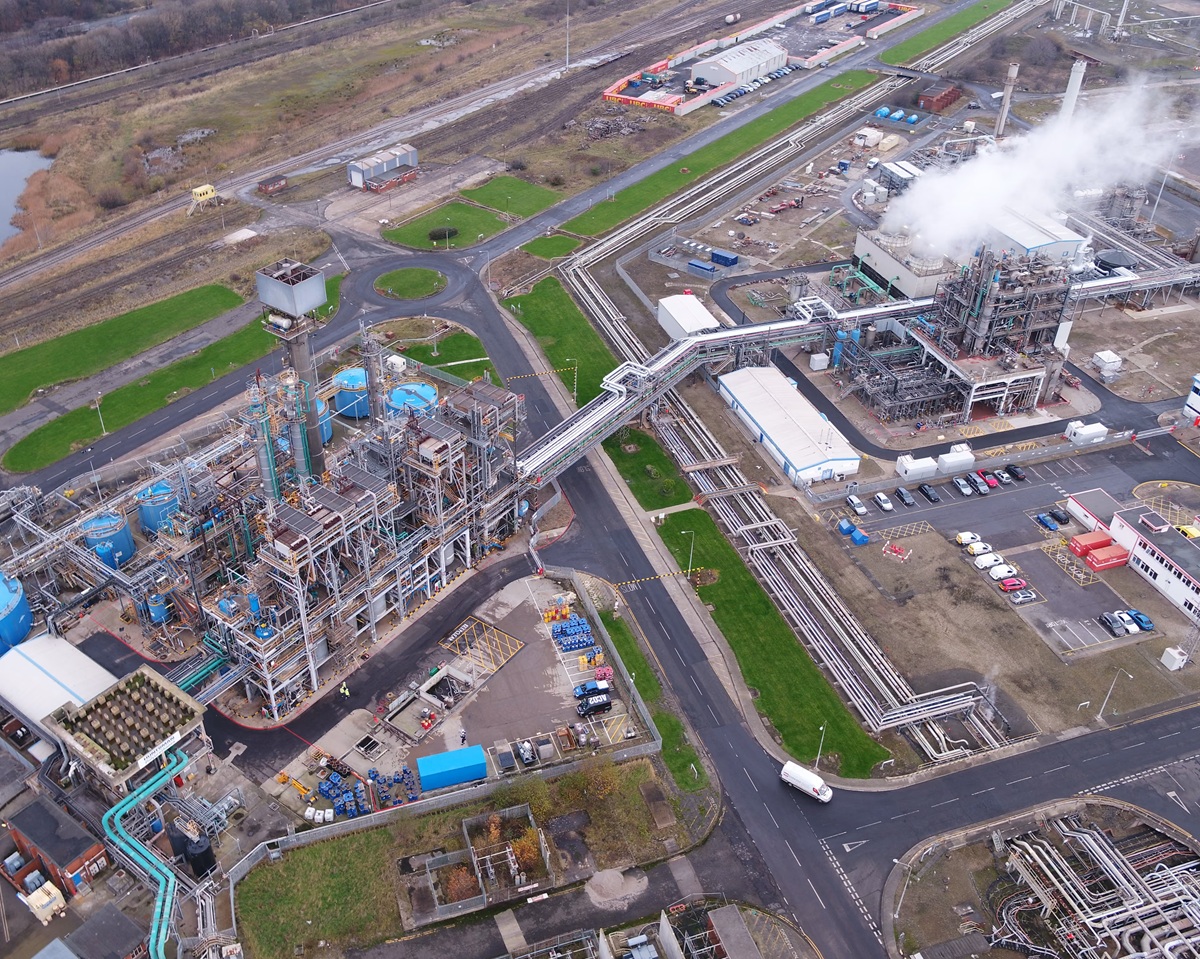
Huntsman Polyurethanes’ chemical plant in Teesside, north-east England (handout image, via The Guardian)
Plastic production has grown exponentially in recent years, with global output expected to double or even triple by 2050.
Production and consumption continue to rise at a pace which exceeds the planet’s capacity to manage the resulting waste. More than half of all plastic ever manufactured has been produced since 2004, yet only about 14 per cent has been collected for recycling, with the remainder landfilled, incinerated or leaked into the environment.
Moreover, plastics remain overwhelmingly fossil fuel-based and their total lifecycle emissions are already estimated at 2.4 billion tonnes (Gt) carbon dioxide equivalent (CO2e) annually. No amount of downstream waste management, exacerbated by single-use and poorly designed plastic products and packaging, can keep pace with these trajectories; addressing the crisis requires governance across the full lifecycle, from production and design through trade and end-of-life.
Yet, despite this reality, the Global Plastics Treaty negotiations remain deadlocked, with a small group of countries continuing to resist the measures needed to tackle the crisis at its source.
As governments prepare for the resumption of formal negotiations, they must not lose sight of this fundamental truth – if we are serious about ending plastic pollution, we have to address the ever-expanding production of plastic itself.
Analysis conducted by EIA shows that waiting for universal agreement is no longer an option in a world where plastic production continues to expand rapidly at great cost to the environment, climate system and human health.
Our May 2026 report Bending the Curve demonstrates that ambitious countries can work together to significantly reduce plastic production, pollution and climate emissions, even in the absence of full consensus, and that action on this issue is a non-negotiable for turning the tide of pollution along the plastics lifecycle.
The Teesside case demonstrates that communities can bear direct health and environmental risks associated with plastics manufacturing and should not be excluded from consideration of policy measures focussed on plastics. The consequences of inaction are stark – while governments focus on managing plastic waste, communities living alongside production facilities continue to face the risks associated with the manufacture of the materials themselves.
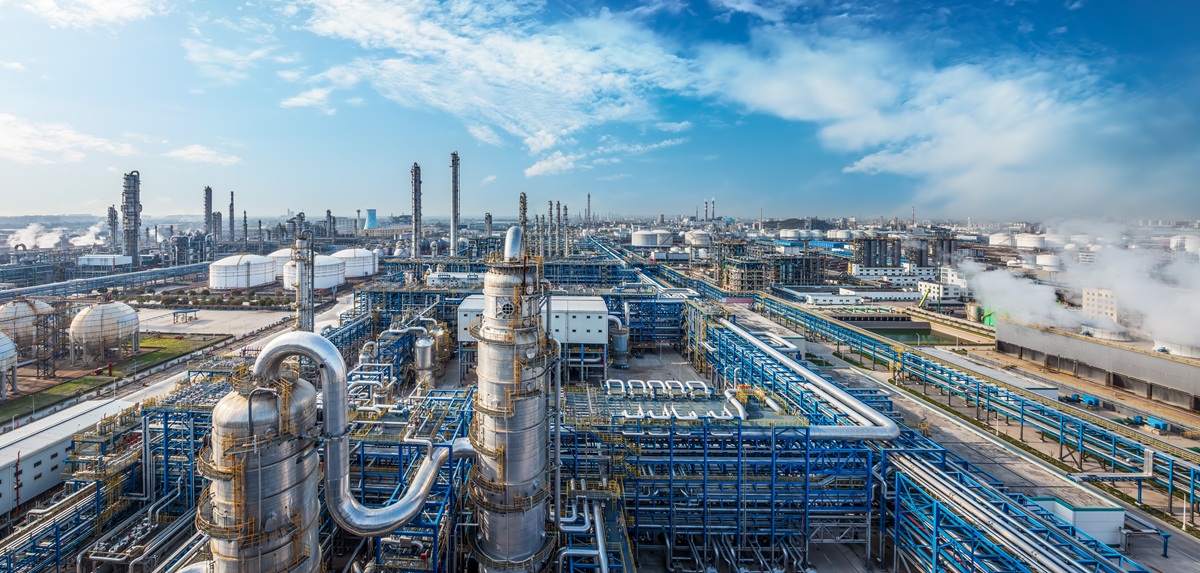
While plastic pollution is a plague to the environment, the production process is a huge contributor to the climate crisis
Throughout the plastics treaty negotiations, the UK has played a leadership role as a member of the High Ambition Coalition and advocating for global measures on plastic production, something to be commended given the strong opposition from petrostates in the negotiations to date.
However, international leadership must be matched by domestic action. Cases such as in Teesside underline the importance of strong oversight, robust environmental regulation and greater scrutiny of the UK’s petrochemical sector.
Moreover, it underscores how the long-delayed Circular Economy Growth Plan should ensure that reducing production and consumption, as well as transitioning to alternative systems and services such as reuse, refill and repair, should be at the heart of the vision for building a safe circular economy and transitioning away from single-use plastics and fossil fuel dependency.
Plastic pollution begins in the fossil fuel extraction sites, refineries and petrochemical facilities which supply a growing global plastics economy.
Never has this relationship been clearer than in the current context where we see global oil and plastics supply chain shock and rising prices as a result of geopolitical tensions and war.
Alongside domestic ambition, with a new draft treaty text expected this month and informal and formal treaty talks resuming in earnest, ambition on plastic production must not be forgotten.
We urge policymakers at home and abroad to focus on the source of the problem and the long-term vision to address it.