Research shows we can cut plastic pollution without needing global consensus

Negotiations for a Global Plastics Treaty are stuck in limbo, but new EIA research indicates that there are alternative ways forward to both lower plastics production and get around the petrostates and vested interests holding the process hostage.
After several rounds of talks beginning in 2022, progress by the UN’s Intergovernmental Negotiating Committee (INC) stalled in Geneva last year despite a large majority of countries being aligned on how to approach the issue.
But while the talks have faltered, the world’s plastic pollution crisis continues to worsen – if current trends persist, global plastic output is projected to reach approximately 766 million tonnes by 2040 – equivalent to producing more than 75 trillion standard plastic bottles annually or enough to make more than 100 smartphones for every person on the planet each year.
 EIA Ocean Campaign Leader Christina Dixon said: “Bluntly, it’s outrageous that a relative handful of countries with a vested interest in seeing plastics production increase have been able to derail the entire process, which currently seeks consensus to progress.
“However, our research clearly shows that the planet does not need to die on the hill of consensus. Coalitions of countries can instead band together and bend the curve to dramatically impact plastic pollution and climate emissions, even without everyone on board.
“Now it’s time to act on that finding as countries seek pathways ahead to break the deadlock.”
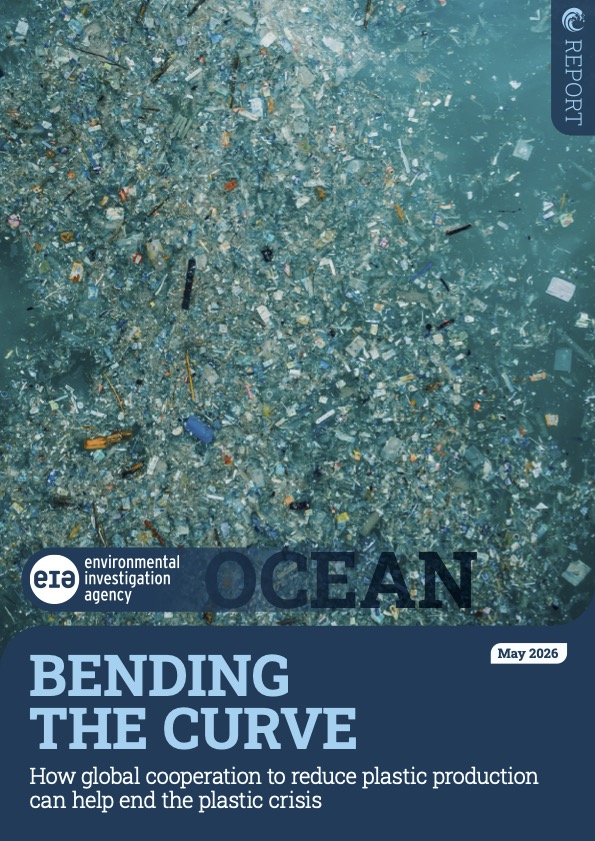
EIA commissioned new modelling by Eunomia Research & Consulting Ltd to explore what happens when different groupings of countries act together to curb plastic production and consumption – and what happens when they do not.
In the new report Bending the Curve, different scenarios examine how production, consumption, waste generation and greenhouse gas emissions respond under varying levels of international participation and coordination, using emerging groupings of countries within the treaty negotiations to guide the scenarios:
The modelled scenarios demonstrate that as more countries are added to a progressive coalition, the impact on production levels, waste generation and climate emissions grows.
Importantly, the report demonstrates that even with less-than-universal participation, limited to only those that have self-described as ‘high ambition’, significant benefits are possible.
And including one major producer such as China, potentially filling the void in geopolitical leadership left vacant by the Trump administration in the US, would more than double the environmental benefits:
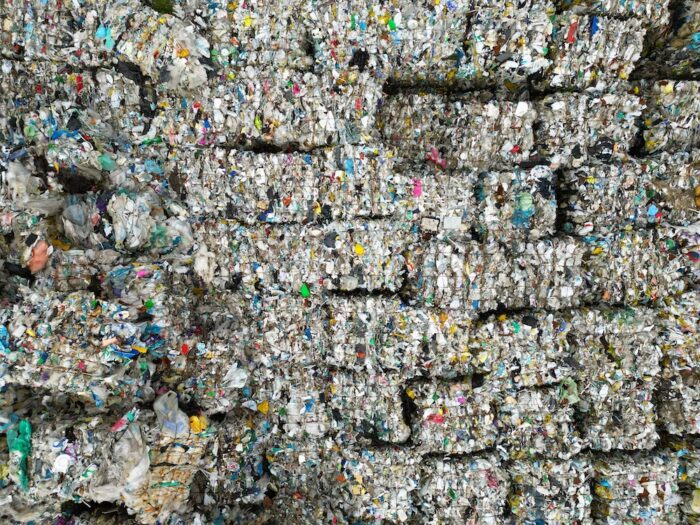
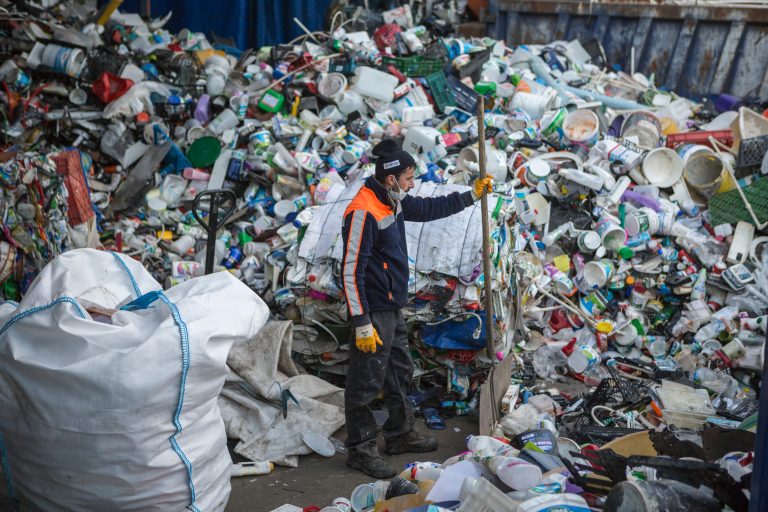
Aerial view of a large collection of stacked plastic scraps at an industrial recycling facility
Tanzir Chowdhury, Managing Consultant Economist at Eunomia Research & Consulting Ltd, said: “Our modelling shows a critical mass of ambitious countries can trigger a system-level shift away from ever increasing plastic production, delivering deep cuts in pollution and emissions.
“Waiting for global consensus risks locking in further harm. The path to transformation is already available to those willing to lead.”
EIA Ocean Campaigner Hannah Hughes, who led the analysis, added: “We can’t let the process become an excuse for inaction. The evidence shows that waiting for global consensus is not just unnecessary but actively harmful. The message to negotiators is simple – leadership matters and momentum builds when action starts.”
During the INC, negotiations on plastic production and consumption have been progressively sidelined despite widespread support. Bending the Curve demonstrates that such an approach is inconsistent with what is required to end plastic pollution. Where binding upstream action is excluded, delayed or deferred, the likelihood of increased pollution and emissions increases.
The modelling demonstrates that plurilateral and progressive coalitions can bend the pollution curve without universal participation and supports the case for efforts to explore flexibility mechanisms and alternative pathways, rather than be held hostage by blocking forces.
It follows on the heels of similar initiatives within the climate space to break deadlocks that have left the planet teetering dangerously towards irreversible climate tipping points.