EIA expands its tracking of international environmental crimes to include the timber sector



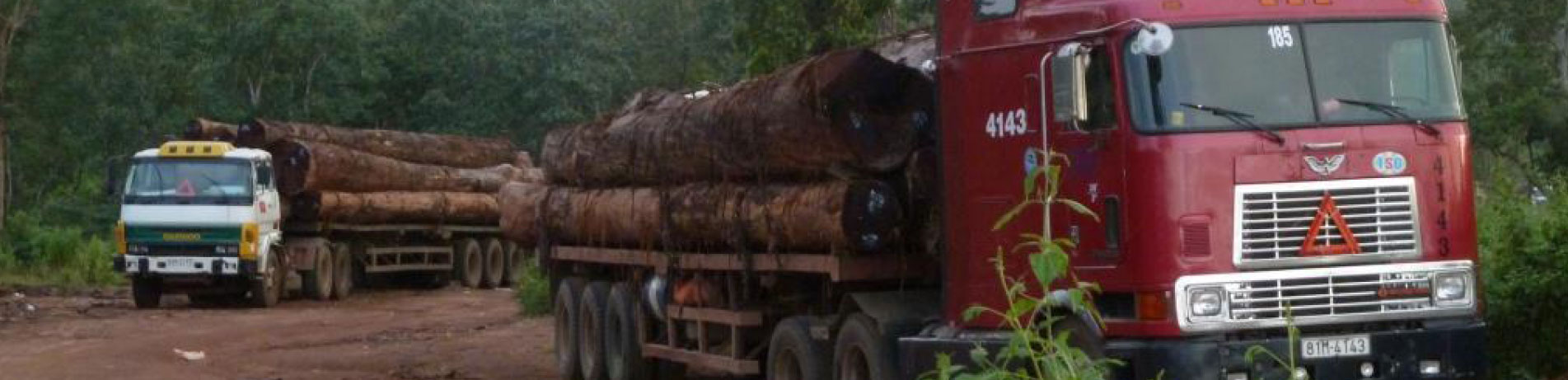
Last year, authorities in Vietnam indicted a total of 22 defendants for the crimes of smuggling, bribes, fraud and the abuse of public power related to the illegal trade of approximately $71 million worth of timber from January 2021 to January 2024.
This case included 13,376 containers of wood veneers made from acacia, eucalyptus, rubberwood and pine and the defendants include multiple company directors and customs officials who were bribed to fast-track clearance procedures and overlook violations.
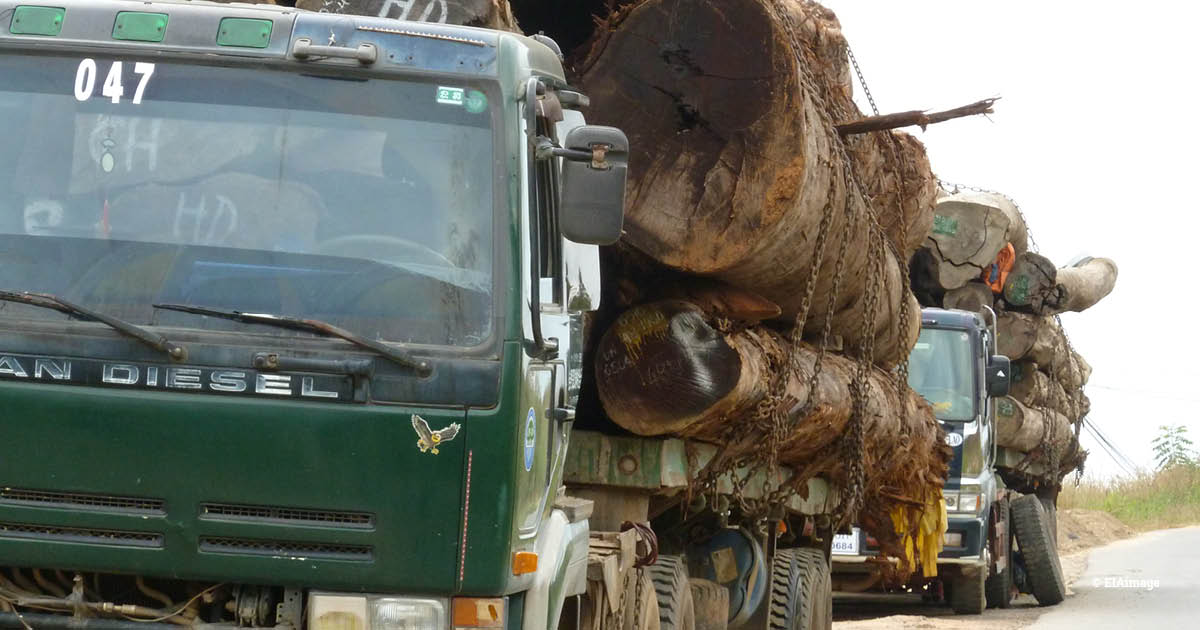
Illegal timber being transported in Vietnam (c) EIA
This case is one of many now detailed on EIA’s Global Environmental Crime Tracker, which has been expanded to include new and improved information on illegalities in the timber sector.
The recent changes have expanded the range of information EIA now collects on violations in the timber industry, from seizures and illegalities to land-grabbing and corruption.
The Crime Tracker is a public database maintained by EIA on environmental crime, which is a massive and rapidly expanding global problem, ranking as the third-largest criminal activity in the world, behind only drugs and human trafficking, and generating an estimated $110-281 billion in illicit proceeds annually.
EIA monitors, collects and analyses data on the crimes in the wildlife, timber, plastic waste and refrigerant gas sectors, among others, to help build a picture of the current scale of environmental crime and abuse, tracking incidents, global trends and utilising maps to illustrate the hotspots.
The data is collated from open sources, including from reports, court cases, social media, news stories and from other NGOs, including our Indonesian partner Kaoem Telepak. The new timber dashboard now shows the precise location of the incidents and features improved structure to view each incident.
Here we feature some of the key incidents involving timber in 2025:
By expanding the information on timber in the Crime Tracker, EIA hopes to make it easier for individuals, from researchers and journalists to companies, to access information on the extent and nature of timber-related crimes.
The Crime Tracker can be viewed on EIA’s website, with the full dataset available for download on request.
Please reach out to us if you have any questions or data that you would like us to include in the crime tracker.