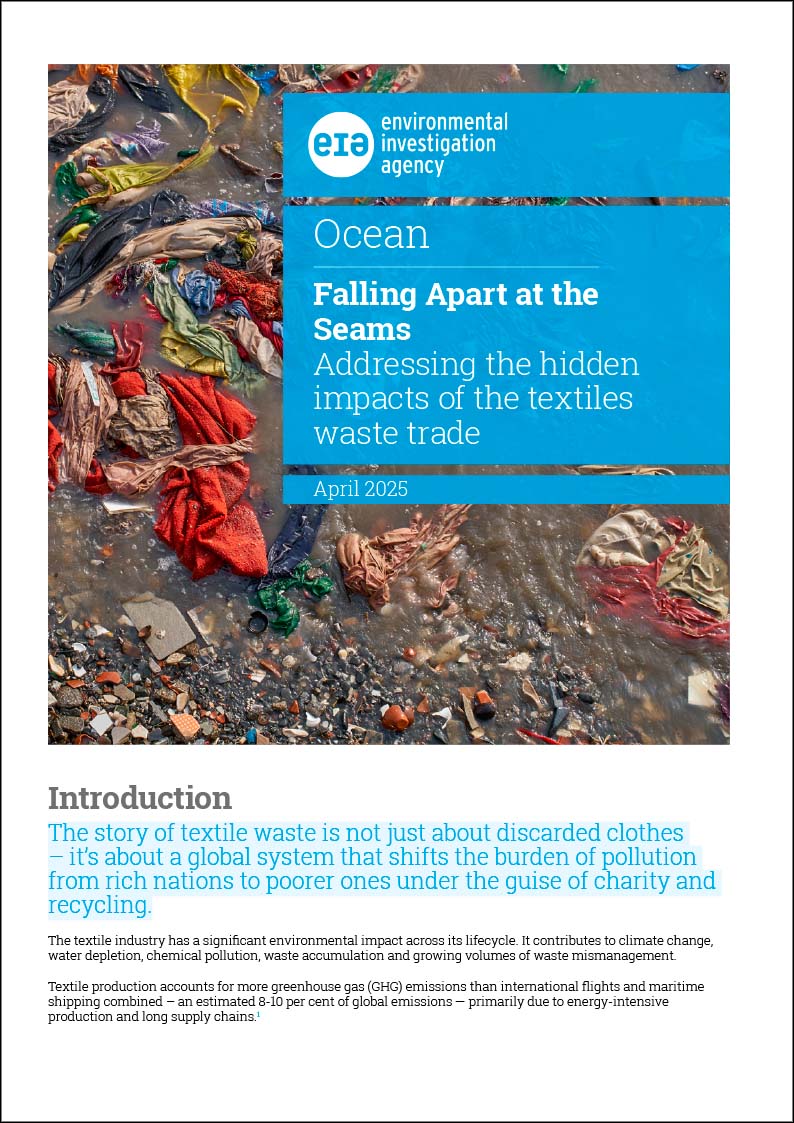
Falling Apart at the Seams
The story of textile waste is not just about discarded clothes – it’s about a global system that shifts the burden of pollution from rich nations to poorer ones under the guise of charity and recycling.


The story of textile waste is not just about discarded clothes – it’s about a global system that shifts the burden of pollution from rich nations to poorer ones under the guise of charity and recycling.
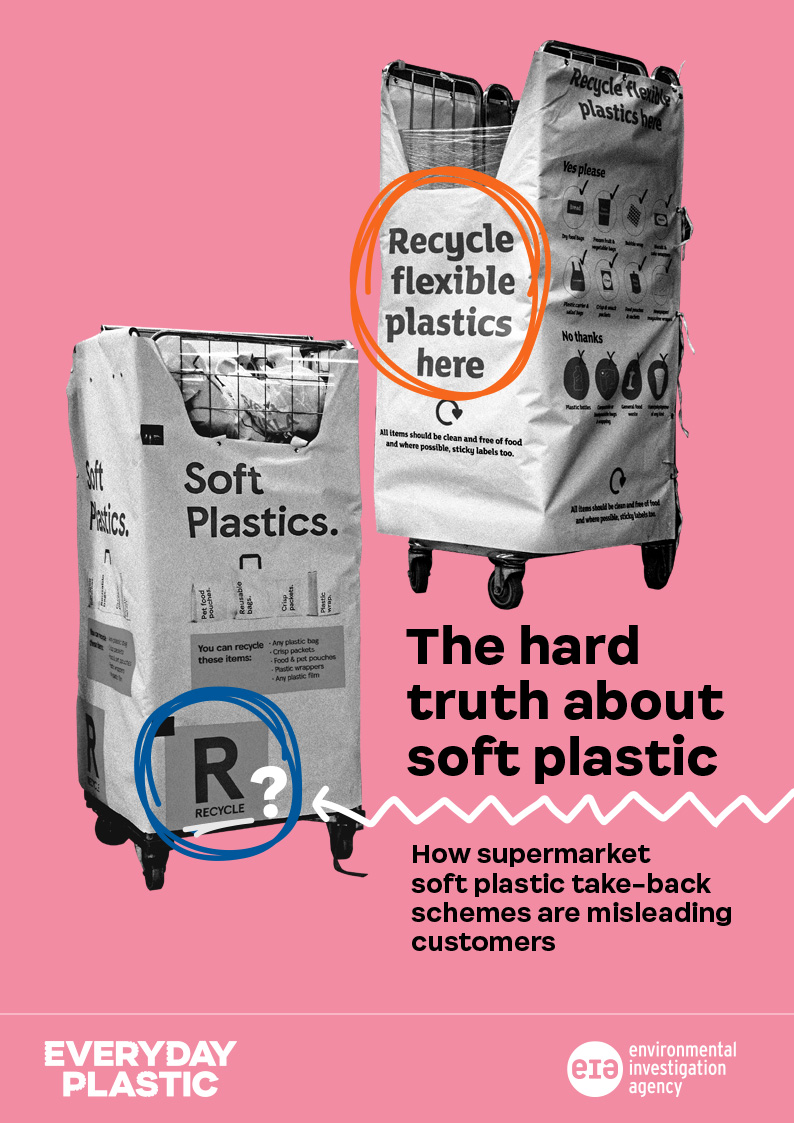
Ever wondered what happens to the soft plastic that you return to the supermarket for recycling…? A new investigation from Everyday Plastic and EIA UK reveals the hard truth about soft plastic recycling points at supermarkets.
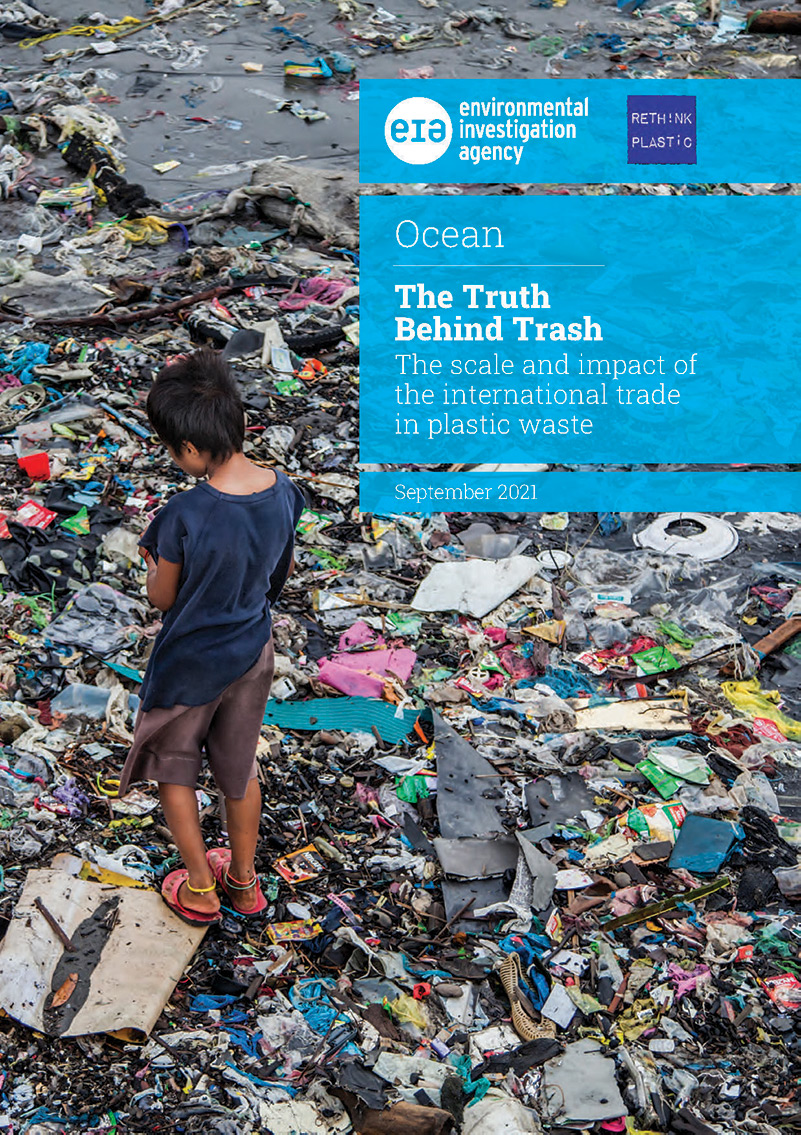
Until the mid-1950s, plastics were precious commodities that were used and treated carefully. But in just 65 years, plastic production has increased by 18,300 per cent – fuelling a relentless convenience lifestyle that produces enormous and unnecessary quantities of waste.
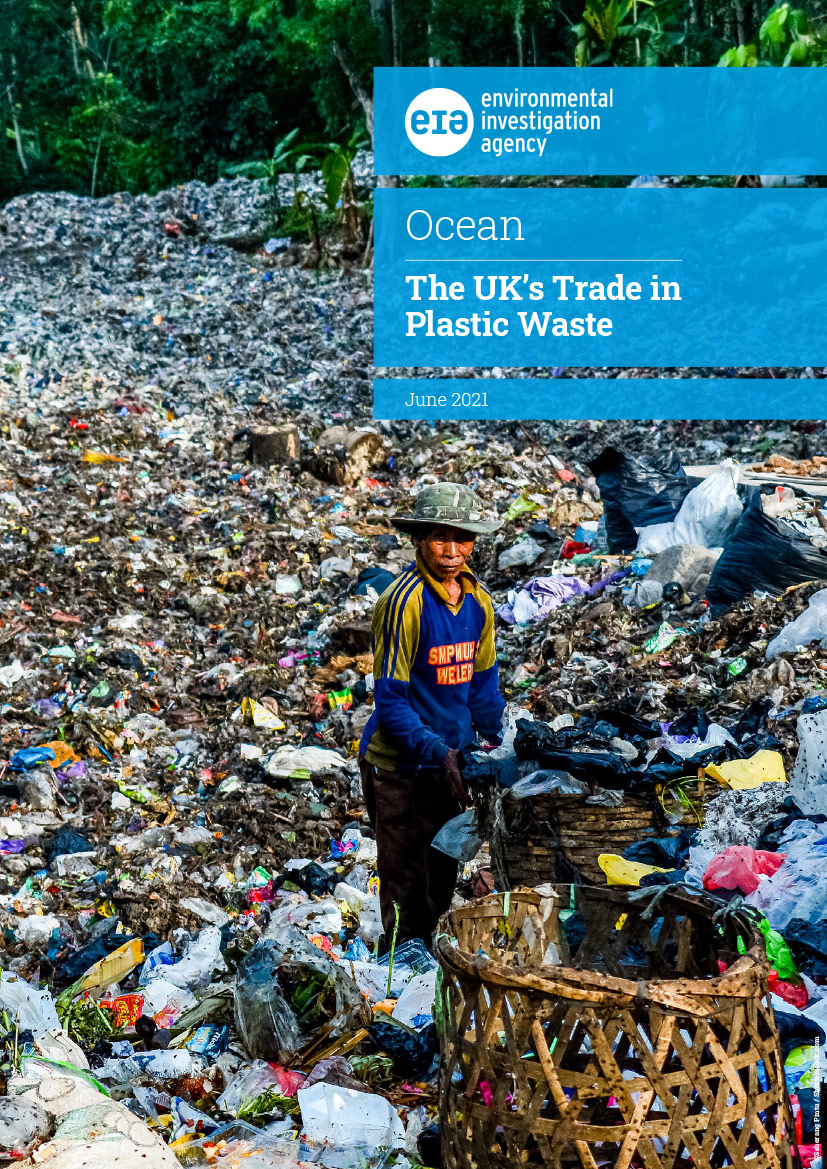
Recent years have witnessed an alarming increase in the illegal trade of plastic waste, with high-income countries consuming plastic products and packaging at unsustainable rates, exporting their plastic waste to developing countries with little capacity and infrastructure to manage it.
For the third year, the Environmental Investigation Agency (EIA) and Greenpeace UK have surveyed the major supermarkets and grocery retailers in the UK on their efforts to reduce plastic pollution.

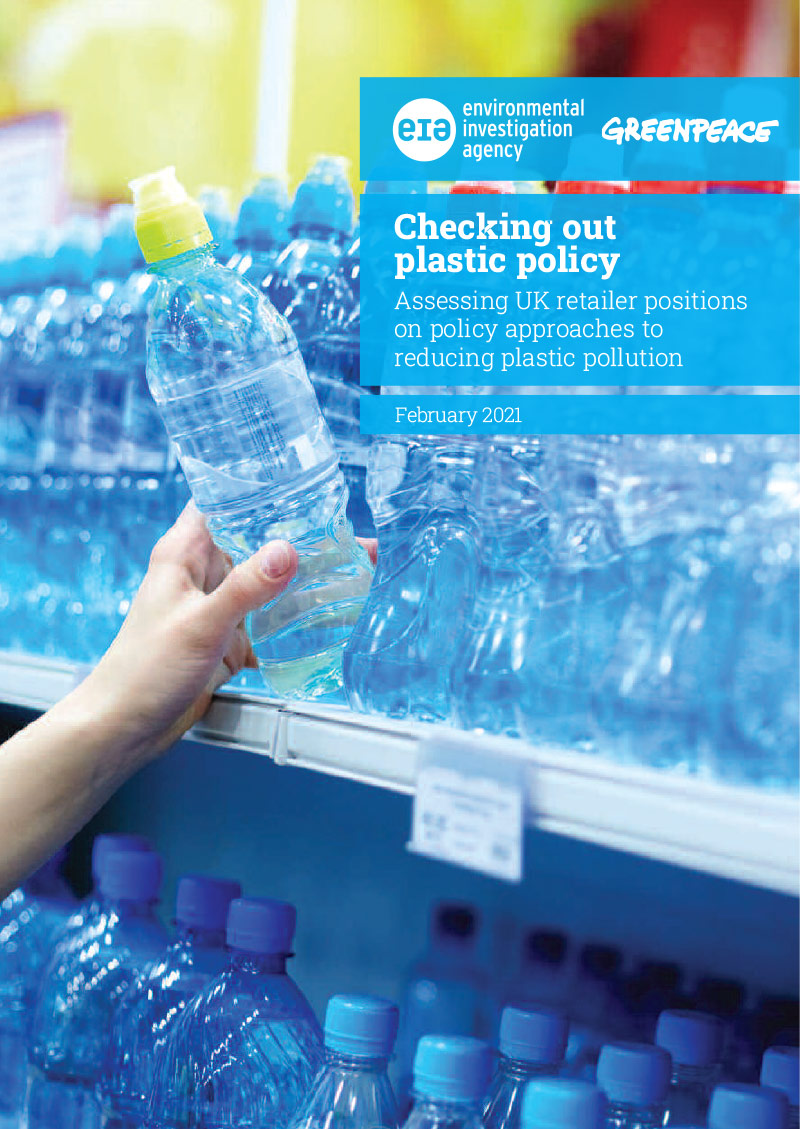
For the third year, the Environmental Investigation Agency (EIA) and Greenpeace UK have surveyed the major supermarkets and grocery retailers in the UK on their efforts to reduce plastic pollution.