

The right tools – using tech to fight environmental crime
Technology doesn’t exist in a vacuum, and its use depends on people with commitment, motivation, context and the means to best protect our intimately-bound habitats and ecosystems
EIA’s London HQ is buzzing with excitement at once again being selected to participate in this year’s Big Give Christmas Challenge.
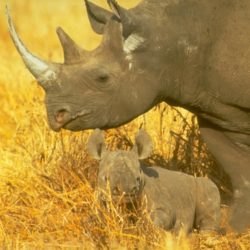
Last Thursday (October 17) saw a live debate in London organised by EarthWatch Institute as to whether the time was right to consider a legal trade of some endangered wildlife products such as ivory, rhino horn or tiger skins and parts.
The true global scale of wildlife and forest crime doesn’t become apparent until you look at all these environmental abuses as a single whole. Wildlife and forest crime is a serious, transnational crime, alongside human trafficking, money laundering, arms trade and drug dealing. It’s worth at least US$17 billion a year
I’m 15-years-old, conservation is a major issue for my generation, but should be a greater concern than it currently is. Hearing about their inspirational work at first-hand made me determined to support EIA's fantastic and hard-hitting campaigns
At EIA, we love to interact with future environmental champions as well as today’s environmental leaders. That’s why it’s always a great pleasure to host the students of Michigan State University’s course on Environmental Science, Policy and Criminology