
DONATE

Ocean

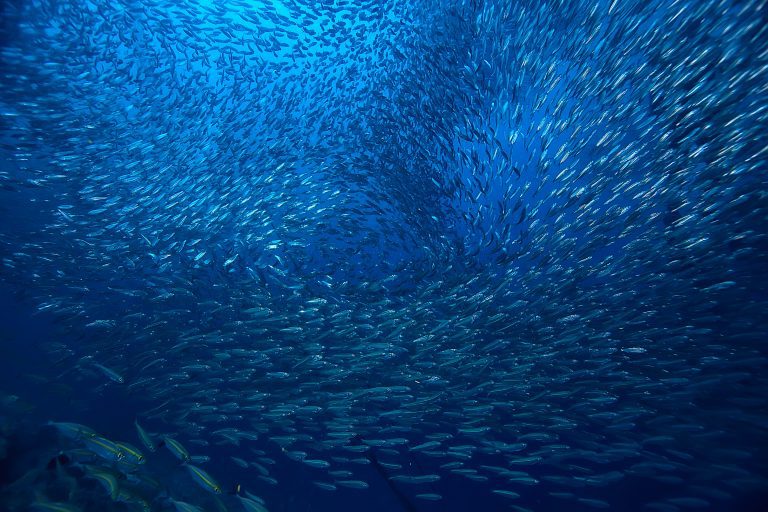
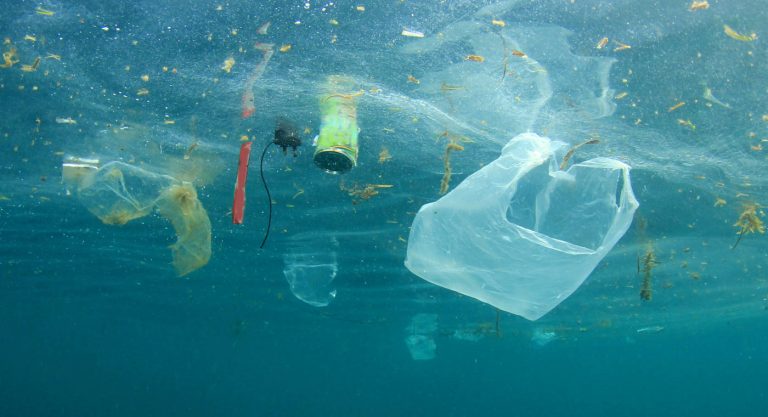
Our Ocean work focusses on three threats to the marine environment and biodiversity: plastic pollution, fishing gear, and commercial exploitation of cetaceans (whales, dolphins and porpoises).

EIA has been campaigning for healthier, protected oceans since our very beginning back in 1984. Since then, we’ve addressed rogue whaling by Iceland, Japan and Norway, dangerous pollutants in whales and dolphins and the plight of the critically threatened vaquita porpoise in Mexico. Most recently, we’ve led the charge on international work to secure a legally binding global plastics treaty to combat the rising tide of plastic pollution. We are building on our work to encourage major supermarket chains to significantly cut the amount of plastics they put into the environment as well as adequate policies to address the plastic pollution crisis at the national UK and regional EU levels.
Support our work

FAQs

Soft plastics, such as bread bags, crisp packets, and clingfilm, are among the most difficult items to recycle. Most UK councils do not include them in household waste collection services, leading many supermarkets to run take-back schemes (front-of-store collection points) for soft plastic packaging. An investigation by EIA and Everyday Plastic, The Hard Truth About Soft Plastic (2023), tracked 40 bundles of soft plastic dropped off at Sainsbury’s and Tesco in England. It revealed that, of the bundles whose final destination was known, they were not genuinely recycled. Approximately 70% is burned for energy recovery, while the rest is exported mainly to Türkiye, where it risks being dumped or incinerated in polluting facilities. A smaller percentage is downcycled into low-value products, such as bin bags or composite timber, with only a tiny fraction being mechanically recycled into new packaging. In 2021, UK supermarkets collected 15,000 tonnes of soft plastic, but less than 20% was truly recycled.

Stopping plastic pollution requires addressing the problem at its source. Recycling alone cannot keep pace with the vast amount of plastic produced. The most effective strategies include reducing production, limiting the use of single-use plastics, redesigning packaging and products, shifting to reusable systems, and implementing stronger laws and policies to hold companies more accountable for the waste they generate. Governments, businesses, and individuals all have a role to play in supporting bans, advocating for reuse, and cutting down on unnecessary plastic in everyday life.

International cooperation is vital, and the UN Global Plastic Treaty presents an opportunity for governments to establish binding targets. As reported in EIA’s "Clean-Ups or Clean-Washing?", community clean-ups raise awareness but do not address the core issue, which is the overproduction of plastic. Each year, 11 million tonnes of plastic waste enter the ocean, equivalent to a truckload every minute (UNEP, 2021).

The answer to this question depends heavily on what “plastic” means (all plastic ever made, plastic packaging, soft plastic, rigid plastic) and which country is involved. Since the 1950s, humanity has produced over 8.3 billion tonnes of plastic; yet, only 9% has been recycled, with the majority ending up incinerated, dumped in landfills, or polluting the environment (UNEP, 2025).

In the UK, official data indicate that roughly 50% of plastic packaging is recycled annually. However, this figure is misleading because it includes exported plastic waste labelled as recycled, even though much of it is incinerated or dumped abroad (House of Commons Library, 2023). Other types of plastic waste perform much worse; for example, pots, tubs, and trays have lower recycling rates, and soft plastics have significantly lower rates. Only around 4% of the film collected from households has been recycled (House of Commons Library, 2023). The genuine recycling of plastic into new products is minimal, particularly for complex packaging materials like films and other soft plastics.

Marine life suffers when animals ingest plastic, become entangled in it, or lose their habitats to pollution. The most effective way to protect them is to prevent plastic from entering the ocean in the first place. Individuals can help by reducing their use of single-use plastics, switching to reusable products, and disposing of waste responsibly. On a broader scale, we need supporting policies that ban unnecessary plastic, regulate fishing gear, and introduce deposit return schemes—all of which are vital. For more information on the impacts of pollution on whales, dolphins, and porpoises, see EIA Catch of the Day (2025) report. Over 100,000 marine mammals and 1 million seabirds die each year due to plastic pollution (UK Gov, 2018). You can help by supporting conservation efforts and organisations working to create systemic change.

Plastic pollution has a range of extensive negative effects, including physical harm to wildlife, damage to ecosystems, adverse impacts on human health and detrimental effects on the climate. Wildlife faces risks of choking, starvation, or drowning after ingesting or becoming entangled in plastic waste. Microplastics now exist in oceans, rivers, soil, air, and even within human bodies. Furthermore, plastics can carry invasive species and toxic chemicals, which can disrupt entire ecosystems.

Plastic production is also closely linked to the climate crisis, as it is primarily made from fossil fuels. Mismanagement of plastic throughout its lifecycle is directly contributing to the release of greenhouse gases. If current trends persist, by 2025, there could be more plastic in the ocean than fish by weight (Ellen MacArthur Foundation, 2016).

Yes, plastic carrier bags can technically be recycled if they are clean and made from single-material polyethene. Some supermarkets offer collection points for recycling, but in reality, most of these materials are burned, exported, or downcycled rather than being made into new bags. According to EIA’s The Hard Truth About Soft Plastic, food-grade flexible plastics are seldom recycled into new packaging because of hygiene and safety issues. The best approach is to eliminate single-use plastic bags by opting for durable, reusable alternatives. The average plastic bag is used for 20 minutes but takes 500 years or more to break down.

Beating plastic pollution requires more than incremental fixes. It demands systemic reforms, from the take-make-dispose system to a transition towards a circular economy model. Small measures, such as recycling alone, cannot resolve a crisis driven by overproduction. Governments and corporations must prioritise reducing overall plastic production, expanding reusable packaging options, and improving waste management infrastructure. Effective regulation is essential, including bans on unnecessary plastics, extended producer responsibility schemes, and standards for recyclability. Additionally, raising public awareness, changing consumer norms, and incentivising less waste are necessary. Most importantly, international cooperation — such as a robust UN Global Treaty — that holds corporations accountable, addresses issues at their source, and supports nations with fewer resources is crucial for beating plastic pollution. Without these actions, plastic production is expected to triple by 2060 (OECD, 2022). For more information on plastic production, please see EIA report on Addressing the Issue Head-On: Measures on Polymer Production in the Global Plastic Treaty (2024).

Clean-ups can play a role, but they cannot solve the problem on their own. They are effective for raising awareness and removing visible plastic from beaches, rivers and surface waters, which reduces immediate risks to wildlife. However, as outlined in EIA’s Clean-Ups or Clean-Washing?, the vast majority of ocean plastic cannot be recovered. Around 94% of plastic sinks to the seabed or fragments into microplastics, making it impossible to remove at scale.

Animals suffer from plastic pollution in various ways. They often get entangled in discarded fishing gear, plastic ropes, nets, six-pack rings, loops, and packaging straps. For example, lost and abandoned fishing gear, known as “ghost nets,” constitutes at least 10% of all marine litter (FOA/UNEP, 2009).  These can wrap around the animal's body, hampering their movement, feeding, and breathing. Ingestion is another serious issue, as many animals mistake plastic pieces, bags, or microplastic fragments for food. Once ingested, plastic can cause blockages in the digestive system, reduce nutrient uptake, or leach toxic chemicals. Wildlife can also become trapped by plastic waste that accumulates in reefs, mangroves, seaweed, or on shorelines. For example, small mammals and birds can become entangled in plastic sheeting or bags, resulting in reduced reproductive success that can have population-level impacts, especially for threatened species.


References

  • EIA. (2024). Addressing the Issue Head-On: Measures on polymer production in the Global Plastic Treaty. Environmental Investigation Agency.
  • EIA & Everyday Plastic. (2023). The Hard Truth About Soft Plastics. Environmental Investigation Agency.
  • EIA. (2023). Clean-Ups or Clean-Washing?. Environmental Investigation Agency.
  • EIA. (2025) Catch of the Day report 
  • UNEP. (2025). Global Plastic Outlook. United Nations Environment Programme.
  • House of Commons Library. (2023). Plastic Waste Statistics. UK Parliament.
  • IUCN. (2021). Marine Plastics. International Union for Conservation of Nature.
  • UK Government. (2018). Marine Plastics Research to Tackle the Marine Plastics Crisis. Gov.uk.
  • Ellen MacArthur Foundation. (2016). The New Plastics Economy.
  • OECD. (2022). Global Plastics Outlook: Policy Scenarios to 2060. Organisation for Economic Co-operation and Development.
  • FAO/UNEP. (2009). Abandoned, Lost or Otherwise Discarded Fishing Gear. Food and Agriculture Organization / United Nations Environment Programme.