UN Climate Change Conference – progress in many areas but fossil fuels work stalls



The UN Climate Change Conference of the Parties (CoP30) has now concluded in Brazil.
Our Climate campaigners were keeping watch on proceedings and welcome the progress under the Just Transition Work Programme, methane initiatives and the new focus on fertilisers, although it appears progress stalled on fossil fuels.
Here’s an overview of the key activities and outcomes of CoP30.
The Just Transition Work Programme is the most substantive institutional outcome of this CoP. It lays the foundation for a future Just Transition Mechanism and includes some of the most robust rights-based language ever formally agreed under the UNFCCC.
This strengthens the multilateral architecture needed to ensure that workers, communities and vulnerable groups are protected as transitions accelerate.
However, the decision sidesteps any reference to fossil fuels and offers no framework for coordinated national transition planning. It establishes the principles but not the operational direction required for implementation, leaving an important gap between ambition and practical guidance.

Methane flaring
Methane mitigation in the energy sector has seen some interesting developments.
During the Methane and Other Non-CO₂ Greenhouse Gases Summit, a coalition of countries including the UK, Japan, Kazakhstan and France, endorsed a shared commitment on fossil fuel methane emissions monitoring and mitigation.
It sets out concrete measures, from transparent monitoring and reporting to the creation of a new international panel to work towards the development of a near-zero methane intensity marketplace, which can turn ambition into accountability.
This is a clear market signal that sustained methane emissions are no longer acceptable in global energy markets.
The launch of the new Climate and Clean Air Coalition Super Pollutant Country Accelerator is also a good step forward. This new programme will support teams within developing country governments, building capacity where it matters most and allowing countries to develop and adopt action plans and legislation on methane and other super pollutants.
Seven countries will initially receive support via this new programme, which is a great start, but more is needed.
The next logical step is the creation of a dedicated fund so that every country ready to act has the means to do.
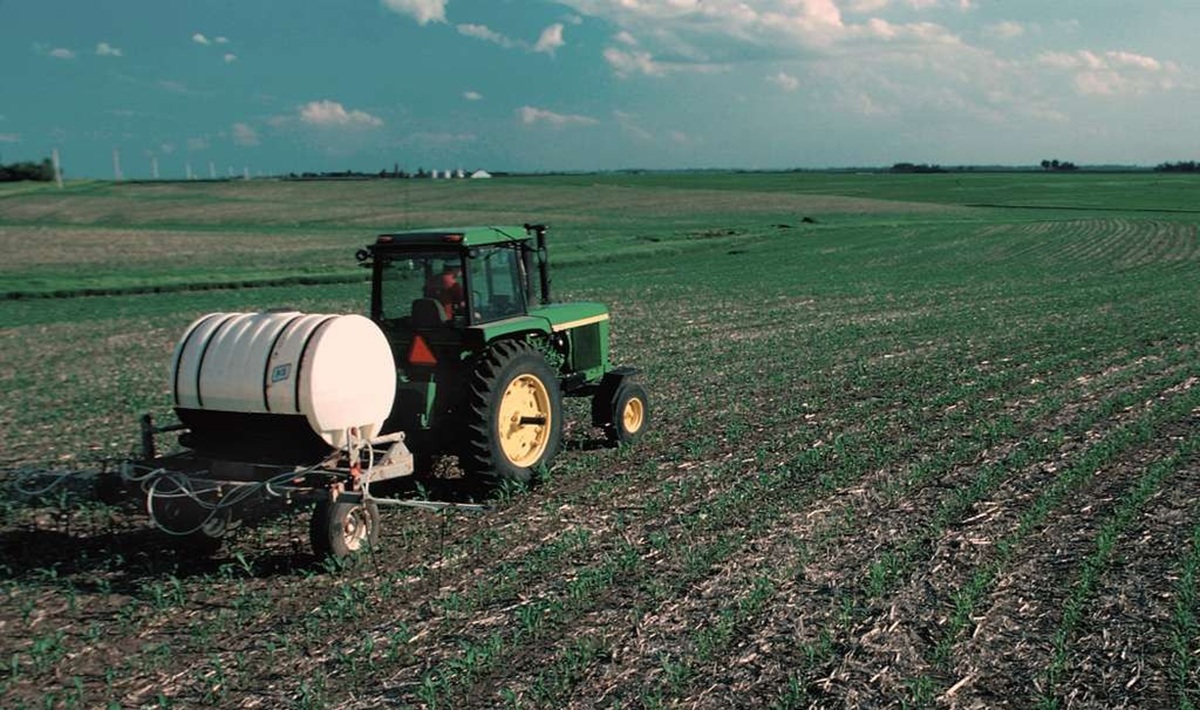
Spreading fertilser on agricultural land
The UK, Brazil, Japan and Canada, as well as international institutions, launched the Belem Declaration on Fertilisers.
Synthetic fertilisers production is an intensive industrial process heavily dependent on fossil fuels. Smarter, more efficient fertiliser use can therefore strengthen food security while reducing fossil fuel demand.
The Declaration focuses on improving nitrogen-use efficiency and cutting emissions from fertilisers, which has the potential to bring down emissions of nitrous oxide – a potent greenhouse gas which is also the most significant threat to the recovery of the ozone layer.
Attempts to weaken Article 6.4 rules were stopped, preventing a significant deterioration in environmental integrity of future carbon credits.
But avoiding backsliding does not make carbon markets an effective climate tool.
Offsetting does not cut emissions. It allows polluters to maintain business as usual while claiming reductions elsewhere.
With the remaining 1.5°C carbon budget projected to be exhausted by 2030, reliance on offsetting directly undermines the urgency of cutting emissions at source.
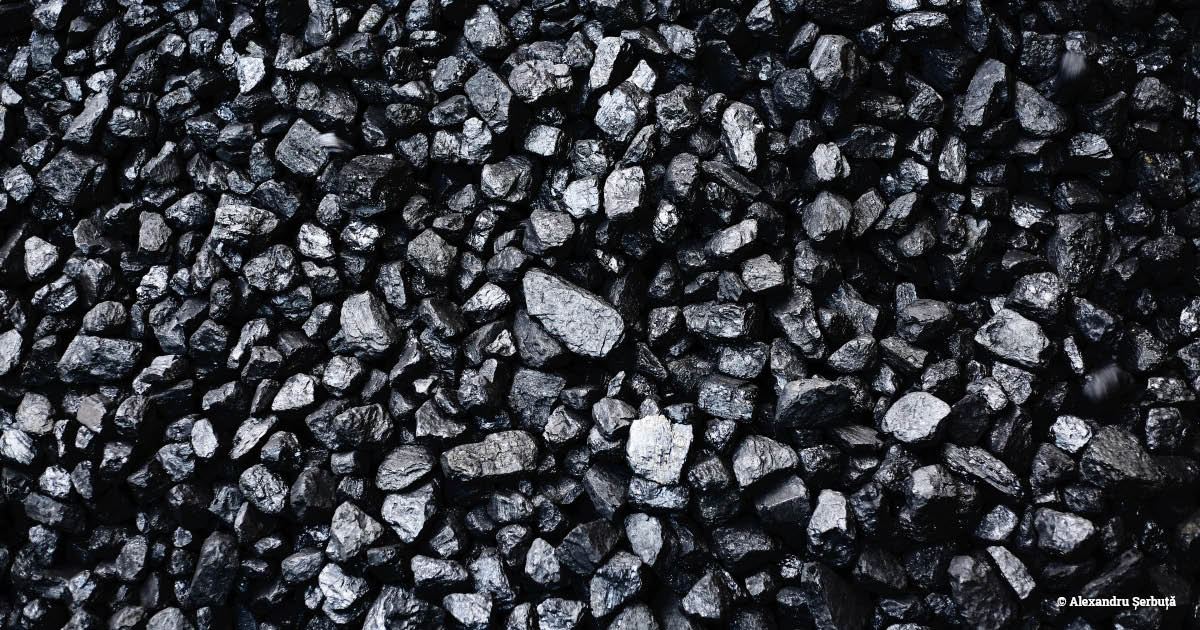
Political support for a fossil fuel phase-out gained significant momentum during the weeks of the negotiations.
Nearly 90 countries, from both the Global North and South and including major producers, supported the development of a roadmap to transition away from fossil fuels. This coalition is an encouraging sign of countries stepping up to break through long-standing negotiation deadlocks.
Colombia’s announcement of the First International Conference for the Phase-Out of Fossil Fuels in April 2026 adds an important new platform for international cooperation.
The conference aims to focus directly on strategies to wind down coal, oil and gas extraction, reinforcing the objectives of the Paris Agreement and aligning with the recent advisory opinion of the
But despite this momentum, the negotiated outcome of CoP30 contains no reference to fossil fuels. Language was repeatedly weakened, particularly by Russia, India and Saudi Arabia, leaving only generic references to past CoP outcomes and no operational commitments aligned with 1.5°C.
The Presidency announced work on a roadmap, but this sits entirely outside the negotiated text and has no formal mandate.
CoP30 demonstrated that progress happens when countries invest in focused, practical workstreams rather than depend on full consensus.
Methane and fertilisers moved forward because governments worked to develop implementation tools together, with a selected number of willing countries.
The next step is to apply this approach to the core drivers of the crisis. Countries need sustained finance, clear governance structures and coordinated implementation pathways, including for the phase-out of fossil fuels.
Only then will ambition translate into real-world results at the scale required.