UK public agrees plastic production must be cut and producers held accountable for crisis

More than two-thirds of UK adults believe those producing or selling plastic products and packaging should bear the bulk of responsibility for tackling plastic pollution in the UK, according to a new survey for EIA.
With the final round of UN talks in pursuit of a Global Plastics Treaty due to begin in Geneva next month and the UK Government’s Environment, Food and Rural Affairs Committee having just hosted a critical evidence session (8 July) to inform the Government’s position, we commissioned market research company Ipsos to take the temperature of people in the UK in relation to the mounting plastics crisis.
The survey, fielded to adults aged 16-75 across the UK, suggests the issue may be a pressing one for many people – 91 per cent of those surveyed think plastic pollution has a great or fair amount of impact on the environment.
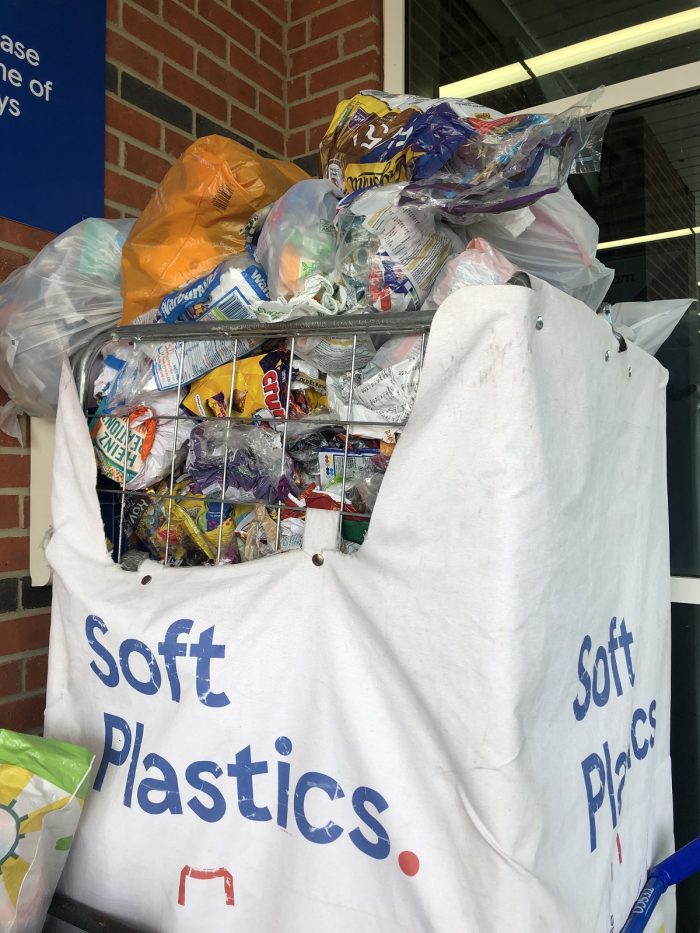
Soft plastics recycling point in the UK
EIA has long argued that the world will not be able to recycle its way out of the crisis and has called for global targets to reduce plastic production in order to relieve the impact of plastics on the environment and health – an ask that appears to be largely supported by the public, with 71 per cent of respondents indicating they would support such targets.
Furthermore, we believe that polluting companies – those producing raw plastics and manufacturing plastic products for sale or as packaging – must be held accountable for the environmental impacts.
In keeping with this, the EIA/Ipsos survey found that 67 per cent of respondents said that manufacturers and producers of plastic or companies selling plastic products or packaging should have the most responsibility for taking action to reduce the amount of plastic pollution in the UK.
EIA Ocean Campaign Leader Christina Dixon said: “Given the UK Government’s focus on the circular economy and the delays and weakening of policies aimed at addressing plastic pollution under the previous administration, it is crucial to establish a Global Plastics Treaty with comprehensive, harmonised and binding rules.
“Without this, floods of cheap virgin plastic are fundamentally undermining investment in the UK’s circular economy strategy and hampering the country’s struggling recycling industry.
“This Treaty represents a once-in-a-generation opportunity to not only drive transformative change across the plastics value chain and facilitate transition to sustainable systems but also to ensure polluters are held accountable for the plastic pollution devastating communities and the environment worldwide.
“History has shown that voluntary commitments from plastic producers fall woefully short of addressing the scale of this crisis. Without binding regulations, the industry will continue to evade responsibility and fail to take meaningful action.”

Agriplastics on a UK farm
Other findings from the survey include:
Dixon added: “The UN’s Intergovernmental Negotiating Committee is set to resume crucial talks in Geneva on 5 August. The urgency for a robust and effective Global Plastics Treaty has never been greater.
“If petrostates and the powerful fossil fuels lobby succeed, we risk ending up with a feeble agreement that fails to address the crisis at hand. Such an outcome would unfairly shift the burden onto consumers and impacted communities while allowing toxic plastic production to continue unabated.
“Our survey clearly indicates that the vast majority of people are not only aware of the problem but also demand concrete action. Moreover, they resoundingly believe that producers must take responsibility for addressing this crisis.
“We urge the UK to play a leading role in the final round of negotiations to ensure a Treaty fit for purpose.”