Standing at a crossroads – why CITES CoP20 must put wildlife protection first



From 24 November to 5 December 2025, governments from around the world will gather in Samarkand, Uzbekistan for the 20th meeting of the Conference of the Parties (CoP20) to the Convention on International Trade in Endangered Species (CITES).
This meeting comes at a moment of great consequence for some of the world’s most threatened species — elephants, rhinos, pangolins, Asian big cats and the critically endangered vaquita porpoise.
What happens in the negotiating halls of CoP20 will determine whether decades of progress in curbing poaching and illegal wildlife trade are strengthened or rolled back.
EIA campaigners will be in Samarkand to ensure that the voices of wildlife, communities and frontline defenders are heard and here we give a brief overview of some of the key issues.
CoP20 presents a golden opportunity to secure positive futures for threatened species by implementing robust protection policies and banning trade in their specimens.
Find out more about our detailed priorities and recommendations.
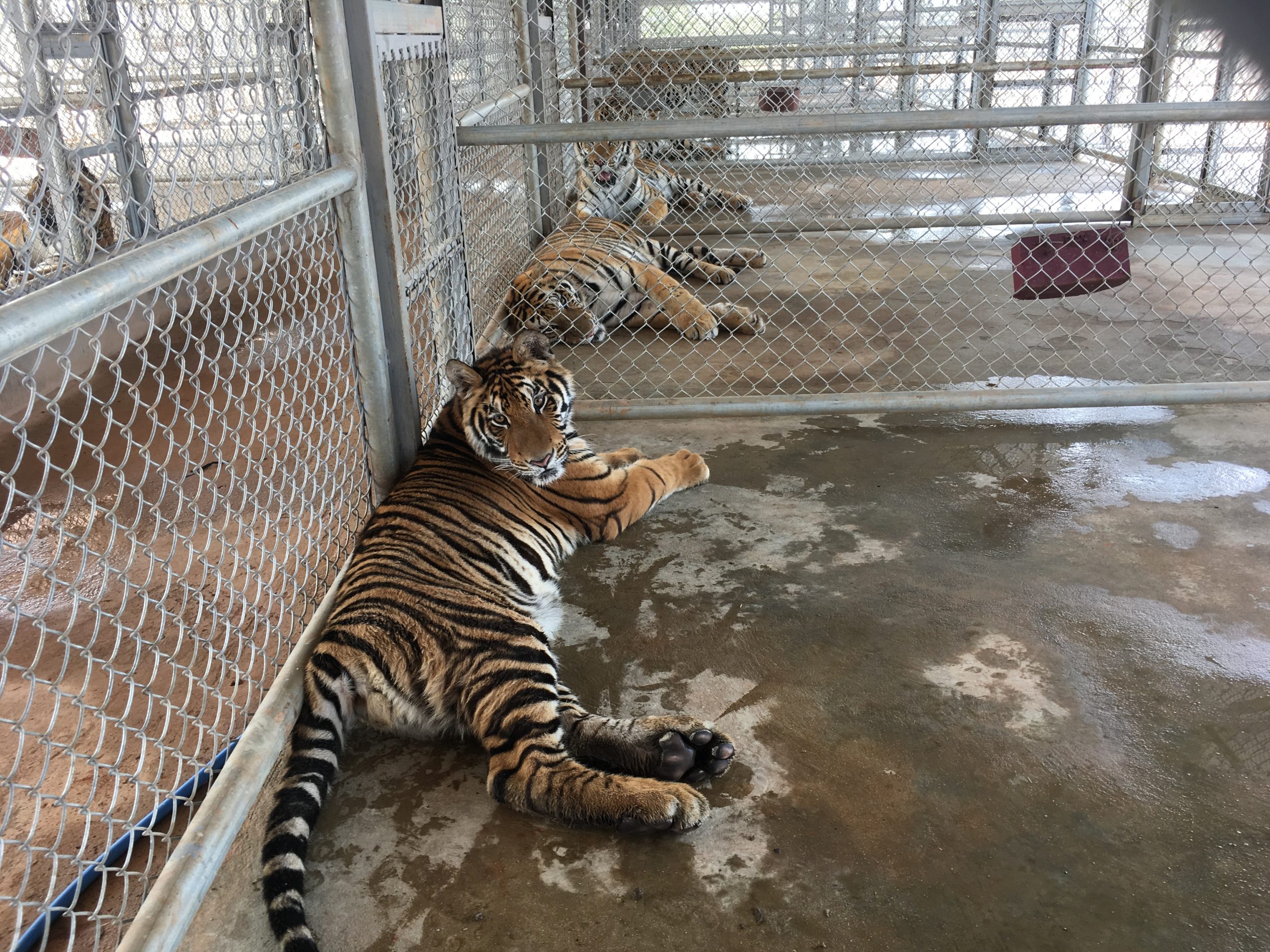
Tiger facility in Laos (c) EIA
Taking place immediately prior to CoP20, the 79th Meeting of the CITES Standing Committee (SC79) has a packed agenda with scrutiny on enforcement and compliance matters related to several countries and their implementation of CITES.
These will include Laos, which is currently subject to CITES trade suspensions. EIA supports the CITES Secretariat’s recommendation to maintain these trade suspensions until adequate evidence of action is provided.
Ongoing illegal trade in tiger, rhino, bear, elephant and pangolin parts and derivatives continues to take place across Laos, including openly through retail units in the capital Vientiane that anyone can walk into off the street.
Dozens of high-end illegal wildlife trade shops operate in Luang Prabang and Vientiane, run by Chinese-owned businesses and catering exclusively to customers from China, largely on fixed itinerary tour groups from China. The Laos Government has failed to take effective enforcement action based on information provided by EIA, including relating to a business selling their own brand of tiger bone wine through physical retail outlets and online.
EIA and other NGOs, governments and intergovernmental organisations have also seen credible visual evidence of breeding at a new tiger (and lion farm) in Laos, where staff were also seen handling a tiger skin.
Finally, Laos is asking parties to endorse macaque-exporting companies, including one of them importing ivory and rhino horn in contravention of CITES, which was one of the triggers for the current non-compliance proceedings.
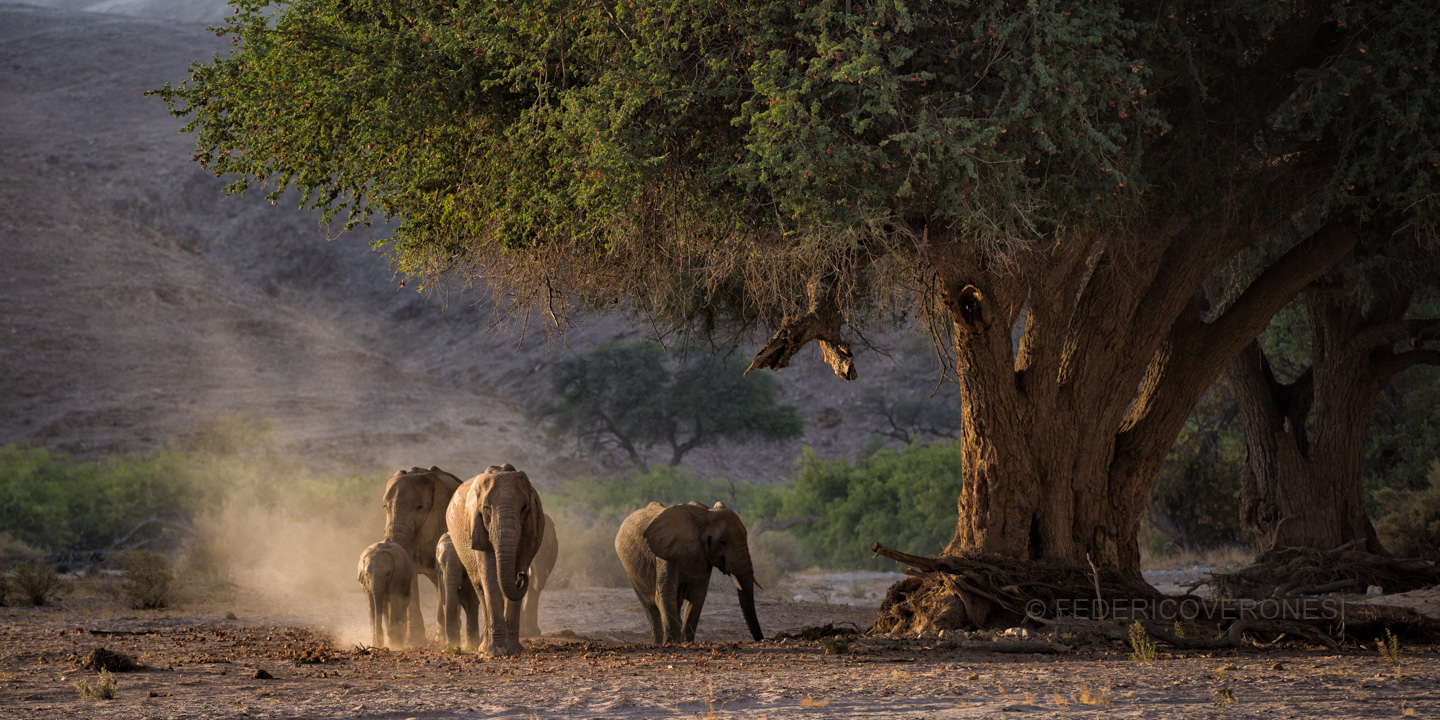
Elephants in Namibia
Despite overwhelming evidence that legal trade in rhino horn and ivory fuels demand and poaching, Namibia has submitted three proposals to allow international commercial trade in rhino horn and ivory derived from its populations of white rhinos, black rhinos and savanna elephants.
If adopted, these proposals could:
We have seen this before. The one-off ivory sale of 2008 ignited a poaching crisis that cost the lives of tens of thousands of elephants. The world cannot afford to repeat that mistake.
EIA is calling on parties to reject Namibia’s proposals seeking to reopen international trade in rhino horn and ivory.
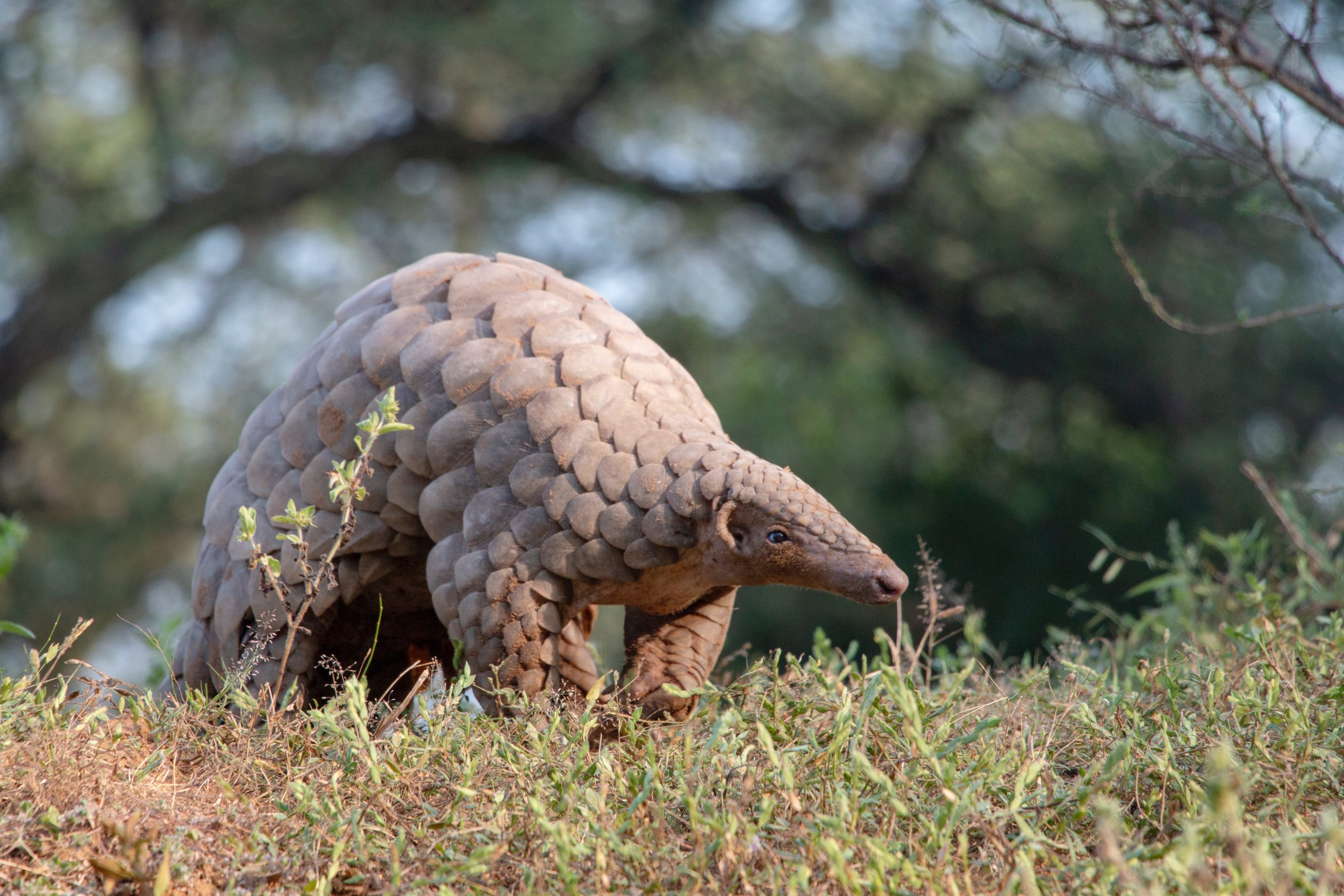
Indian pangolin
All eight pangolin species are threatened with extinction, yet legal markets for pangolin scale products continue to operate in key consumer countries such as China for use in traditional medicine.
Without firm, time-bound steps to close these markets and reduce demand, illegal trade will continue.
Similarly, Asian big cats — including tigers and leopards — continue to be exploited for their skins, bones and other products. Captive breeding facilities in several countries are contributing to laundering and trade rather than protecting populations in the wild.
EIA is calling for:

Ivory on legal sale in Japan (c) EIA
Closing domestic ivory markets is critical to effectively implement the international ban on commercial ivory trade and protect elephants from poaching.
EIA supports efforts to maintain and strengthen existing legislation, regulations and enforcement to improve implementation of ivory market closures. While many countries have closed their markets, Japan continues to maintain a legal domestic market for ivory that is linked to illegal ivory exports.
By maintaining its domestic ivory trade, Japan is failing to conform with CITES recommendations to close domestic ivory markets that contribute to poaching or illegal trade.
EIA is calling on parties to support efforts to strengthen the implementation of the closure of domestic ivory markets and urges parties to adopt the draft decisions in Doc. 76.2 inviting Japan to close its market.
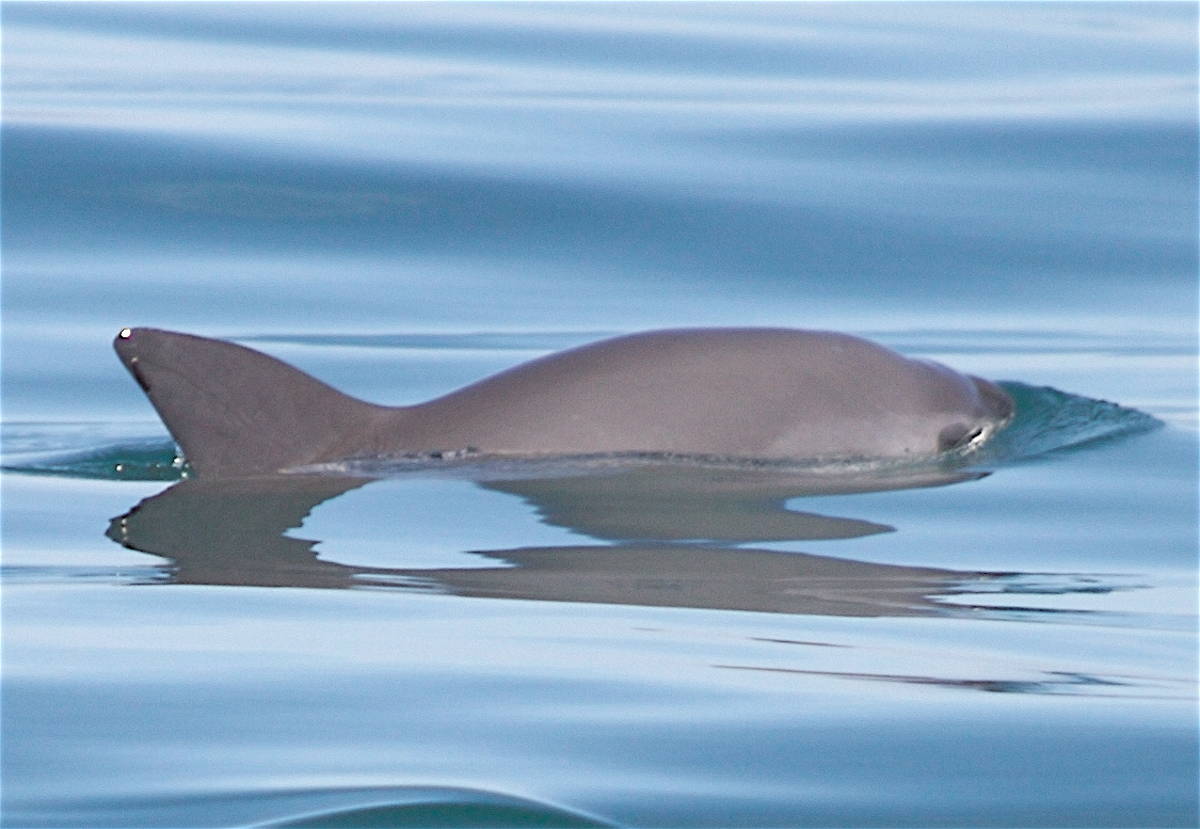
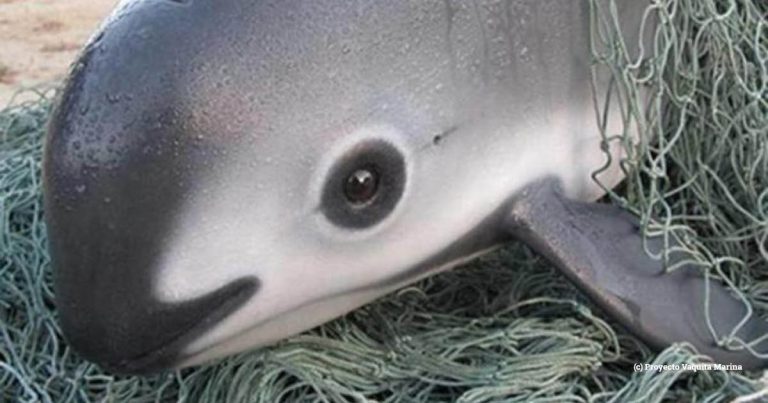
Vaquita (c) Thomas Jefferson
Mexico’s totoaba Compliance Action Plan (CAP) was approved by CITES’ Standing Committee in April 2023 and Mexico has not yet met the goals within it. Many of the provisions in the CAP — including gillnet bans, embarkation site regulation and gear transition — were already established under the 2020 Regulation.
But after more than five years, key provisions remain unenforced on the ground and illegal fishing continues in the vaquita porpoise’s habitat. A survey this summer concluded that only about 7-10 critically endangered vaquita remain, underscoring the urgent need for full enforcement.
We urge parties to make amendments to strengthen the Decision text in Doc. 35.3 to compel Mexico and transit and consumer countries of totoaba swim bladders – also known as ‘maws’ – to make all efforts to stop the illegal fishing of totoaba and trafficking in its maws to prevent the extinction of vaquita porpoises.
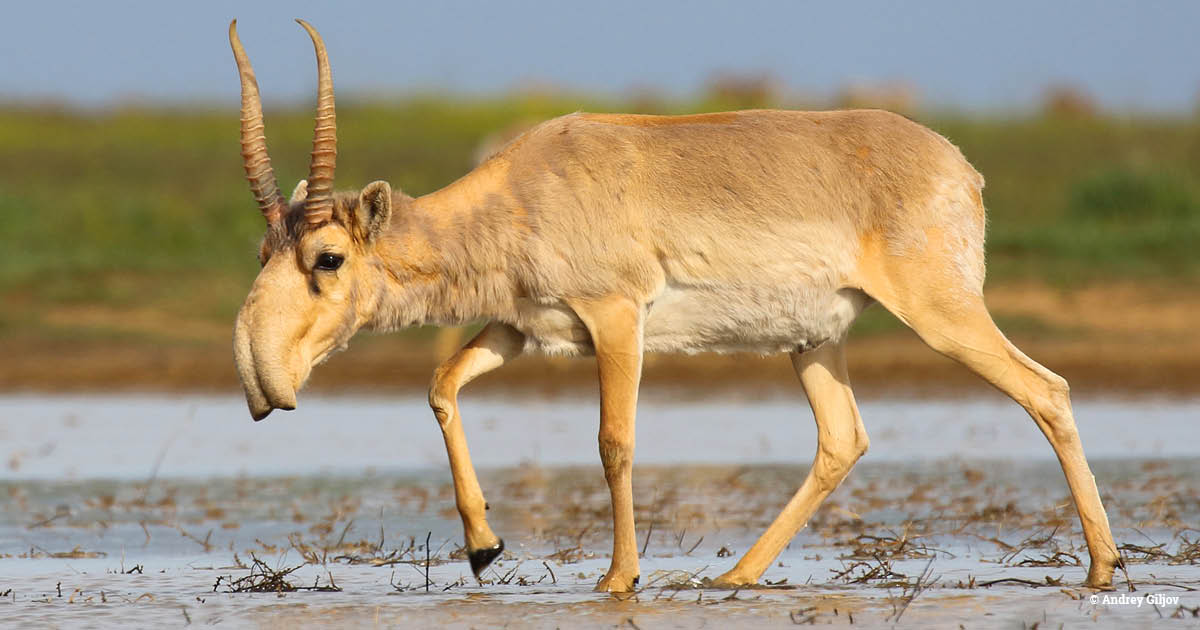
Saiga antelope
The recovery of saiga antelope populations in Kazakhstan is an important and hopeful conservation achievement.
However, a proposal to reopen international trade in saiga horn from Kazakhstan threatens to exacerbate poaching and illegal trade across all range states – many of which still have small, threatened saiga populations.
Saiga horn consumer countries have been unwilling or unable to provide information on the number, volume, and provenance of their saiga horn stockpiles. With illegal saiga horn trade continuing to threaten wild saiga populations, the lack of transparency on saiga horn stockpile management and traceability from consumer countries presents major enforcement risks and allowing international trade would be a gift to traffickers.
EIA urges parties to reject this proposal to maintain strong protections for saiga.