Response to palm oil watchdog’s rebuttal of EIA’s ‘Illegally Operated, Officially Certified’ report


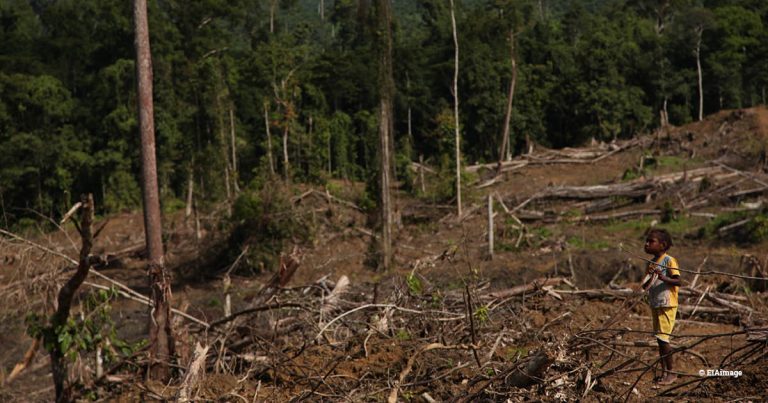
One month ago (5 October), EIA released the briefing Illegally Operated, Officially Certified analysing Indonesian Government Decree No.36 of 2025 and featuring a list of more than 400 palm oil company areas occupying in excess of 1.1 million hectares of the country’s Forest Area without the required forest release.
Our analysis found more than 20 per cent of the areas were operated by companies which were certified by the Roundtable on Sustainable Palm Oil (RSPO) and concluded that such certification is not a guarantee that its members in Indonesia are operating in full legal compliance with the Decree.
The RSPO is one of the world’s most well-known palm oil certification schemes – but its seal of approval lacks credibility as its members continue to be exposed for violations of the body’s own standards.
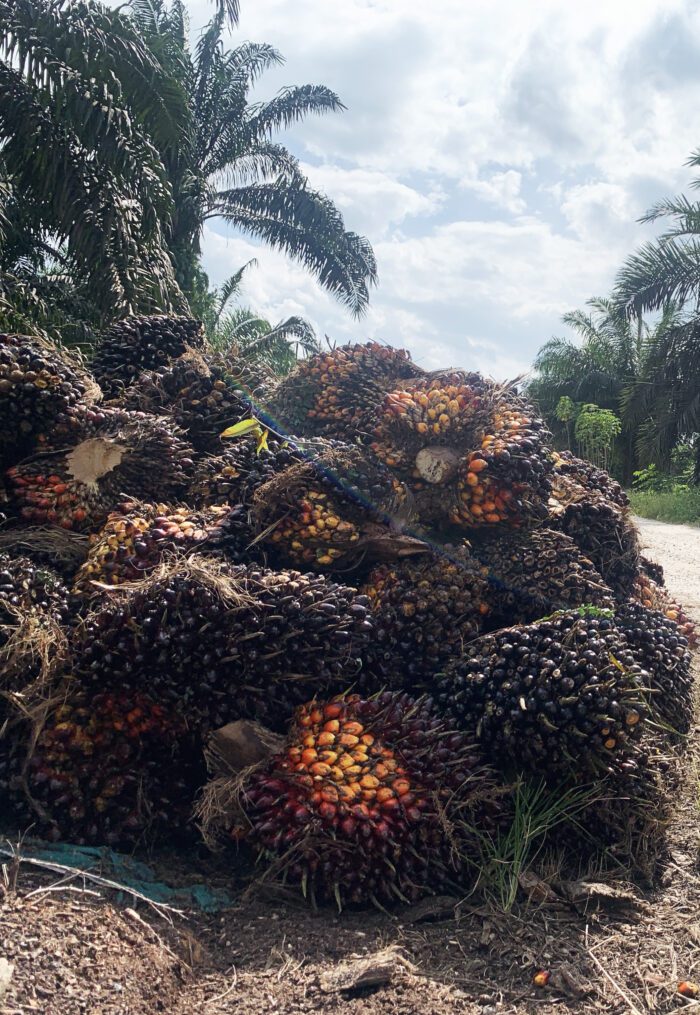
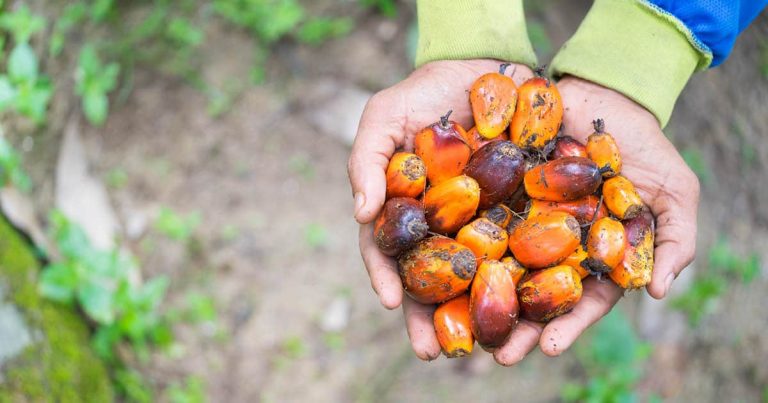
Harvested palm oil fruits
On 12 October, the RSPO issued a public statement rejecting our findings and asserting that most RSPO members with operations impacted by the decree do hold valid HGU (Hak Guna Usaha, or Right to Cultivate) land titles, the final land title issued, and that the decree does not automatically invalidate previously issued, legally binding HGU titles.
EIA would like to reiterate our findings in response to the statement made and address issues raised by the RSPO’s comments.
Key findings:
Our analysis found multiple instances where audits failed to mention any reference to the Forest Area, suggesting it was not assessed. This includes PT Mitra Mendawai Sejati’s historic audits, with more details found in our report, but also other companies’ new audits. Evidence shows that the guidance created by the RSPO on this issue is not being applied consistently across auditors, with inconsistent spot-checking of certification.
EIA notes that the RSPO has not suspended certification for any affected companies at the time or subsequently, including PT Globalindo Alam Perkasa, where most of its concession appears to be taken by the state, but is which remains RSPO-certified.
We would like to highlight our recommendations to RSPO again:
EIA recognises that the RSPO and EIA share the common goal of ensuring that all palm oil entering certified supply chains is legally and sustainably produced. We see improved transparency, including on audit methods and the status of affected companies, as essential to achieving this.
We encourage further engagement with the RSPO to ensure all systems are working for the forests and those who depend on them.