China’s legal TCM industry is driving global pangolin poaching



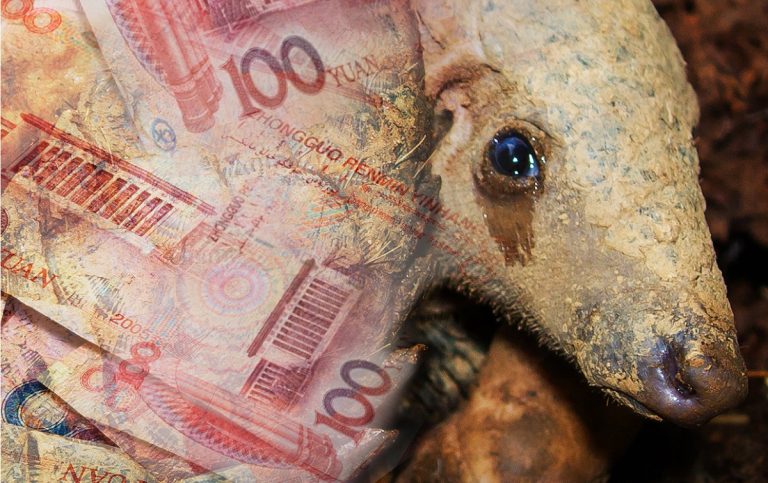
China’s legal domestic market for pangolin medicine products is a key driver of the global illegal trade and poaching of pangolins, a new EIA briefing demonstrates.
A View from the Courts – The illegal trade of pangolins in China analyses 169 Chinese court judgments involving pangolins from 2014 to June 2024, accessed through the China Judgments Online database.
 The judgments document the illegal trade of at least 42.7 tonnes of pangolin scales and 5,465 whole pangolins across 139 instances.
All eight recognised species of pangolins were recorded in illegal trade in China, with Sunda, giant and white-bellied pangolins figuring highest in terms of instances of illegal trade where species identification was provided.
African species were seized more frequently and in higher volumes of weight than Asian species.
All eight recognised species of pangolin face high risks of extinction, with the primary threats to their survival being poaching and trade in their meat, body parts and scales.
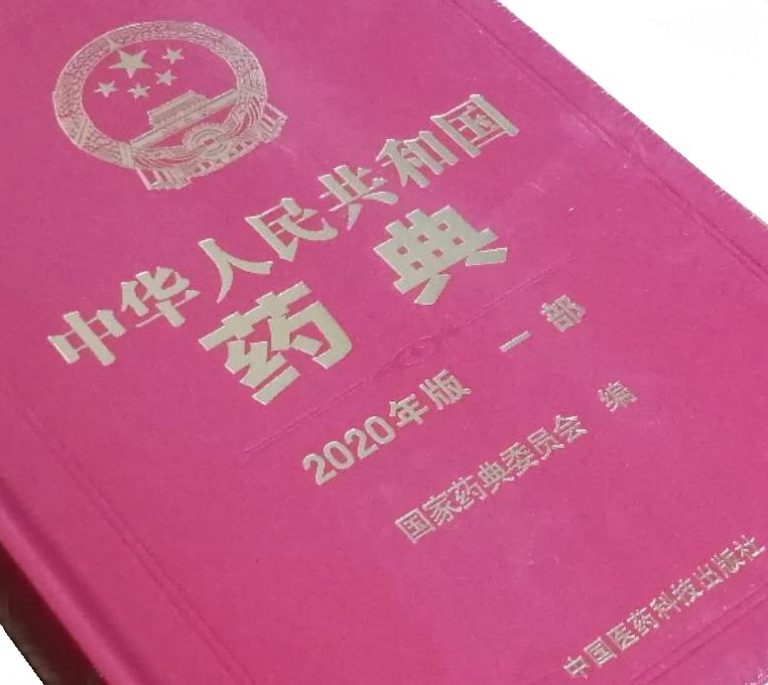
EIA Wildlife Campaigner Erin Chong said: “Although our analysis of the judgments shows that Chinese authorities appear to have advanced capabilities for the investigation and prosecution of pangolin crime and that the judiciary has also played an important role in combating it, there’s no escaping the clear connection between the country’s domestic trade in pangolins for traditional Chinese medicine and the high levels of international trafficking of pangolin specimens.
“As the 20th meeting of the Conference of the Parties (CoP20) to the Convention on International Trade in Endangered Species (CITES) gets under way in Uzbekistan this week, we strongly urge China to close its legal domestic market for pangolin medicine products and conduct targeted, evidence-led campaigns to reduce demand for pangolin specimens, in line with CITES recommendations.
“Given the huge size of the trade, we also recommend that CITES Standing Committee examines whether the contribution of this legal market to the global illegal trade of pangolins deserves attention as a compliance matter affecting the implementation of the Convention.”
A View from the Courts demonstrates that in the past decade or more, China has been the primary destination for both legal and illegal international trade of pangolins.
The judgments analysed indicate that the illegal trade of pangolins in China is both organised as well as opportunistic, with multiple judgments pointing to high levels of organisation in both the smuggling of pangolins into China as well as internal distribution within the country, which the report illustrates with examples and case studies.
Seventeen countries were involved as points of origin or transit in the smuggling of pangolin specimens, with Nigeria taking the highest position in terms of volume and Vietnam the highest for the number of smuggling incidents.
Several of the judgments provide a clear link between the smuggling and illegal trade of pangolins scales and their use for medicinal purposes in China, ranging from potentially small-scale personal use to the laundering of smuggled scales into legal supplies.
And a number of cases demonstrate the involvement of individuals, websites and companies associated with the traditional medicine business in pangolin crimes and smuggling. This includes the conviction of legal representatives and other employees of pharmaceutical companies for the illegal trade of pangolins.