DONATE

Forest reports

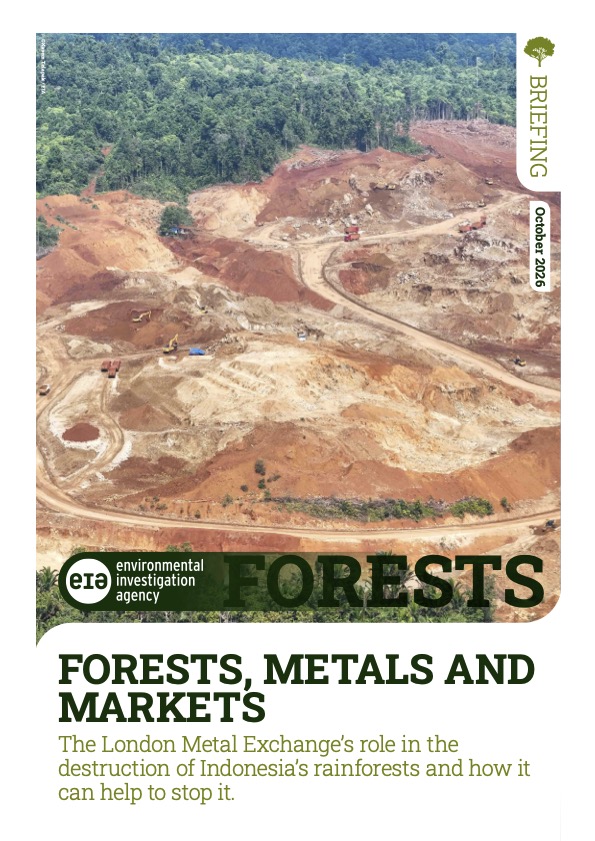
Forests, Metals and Markets

The London Metal Exchange’s role in the destruction of Indonesia’s rainforests and how it can help to stop it. The growing global demand for nickel has driven a mining and smelting boom in Indonesia in recent years. Yet the Indonesian nickel industry has come at a heavy environmental cost, including the destruction of large areas […]

Illegally Operated, Officially Certified

In 2025, the Indonesian Government released Decree No. 36 of 2025 containing a list of more than 400 palm oil company areas occupying in excess of 1.1 million hectares of the country’s Forest Area (Kawasan Hutan) without the required forest release. Our analysis found more than 20 per cent of these areas operated by Roundtable […]

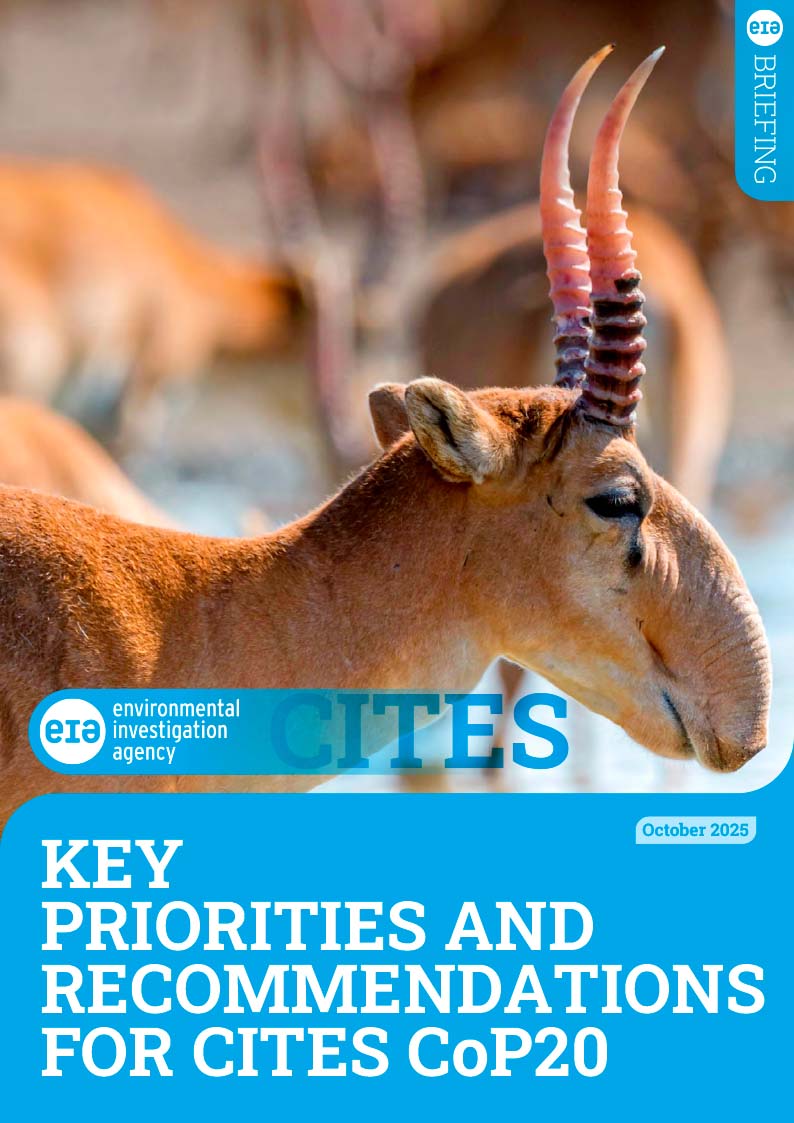
CITES Briefing Document – Key Priorities and Recommendations for CoP20

The 20th meeting of the Conference of the Parties (CoP20) to the Convention on International Trade in Endangered Species of Wild Fauna and Flora (CITES) will take place from 23 November and 5 December in Samarkand, Uzbekistan. EIA will be actively engaging at CoP20 on a range of key issues relating to the protection of elephants, rhinos, Asian big cats, pangolins and vaquita porpoises, in addition to broader compliance and enforcement issues.

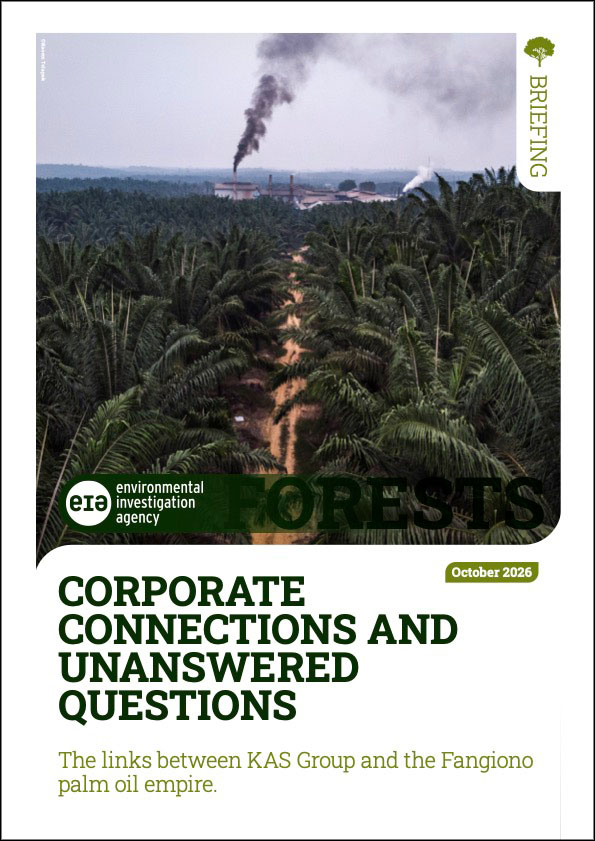
A Family Affair

A report by EIA and our Indonesian partner Kaoem Telapak which documents alleged deforestation, corruption and human rights violations in Indonesia’s  palm oil sector by companies which are linked via the involvement of members of the Fangiono family.

The RSPO’s Rules on Deforestation, Legality and Traceability

In this briefing we examine the extent to which the RSPO standard ensures legality, traceability and deforestation free palm oil. At first glance it may look as if the RSPO standard largely ensures palm oil is deforestation-free, legal and traceable. In reality, the system is complicated and many caveats and loopholes allow companies to bypass and bend the rules.