Broken promises and palm oil – ‘no deforestation’ is failing and we need regulation
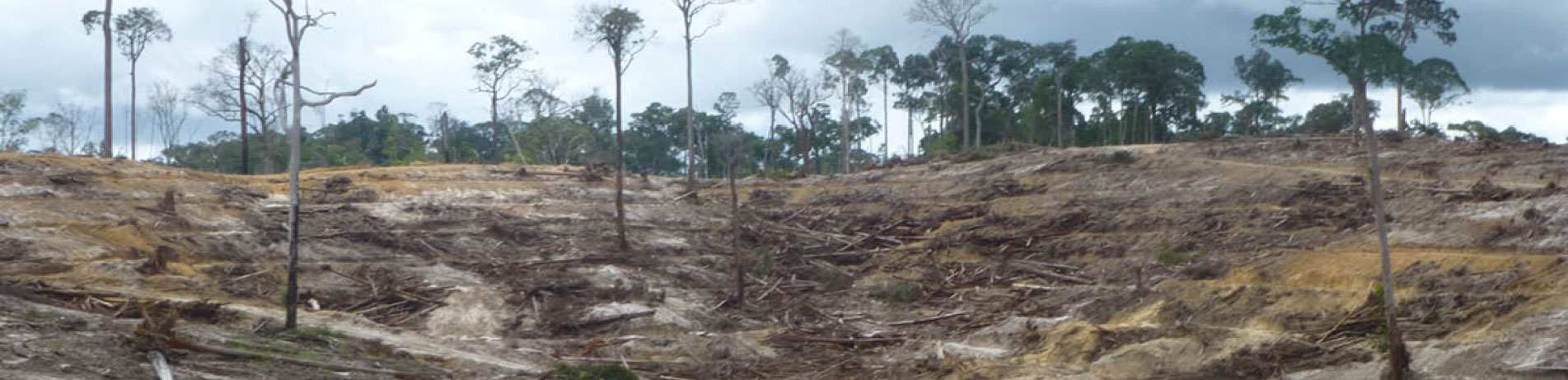
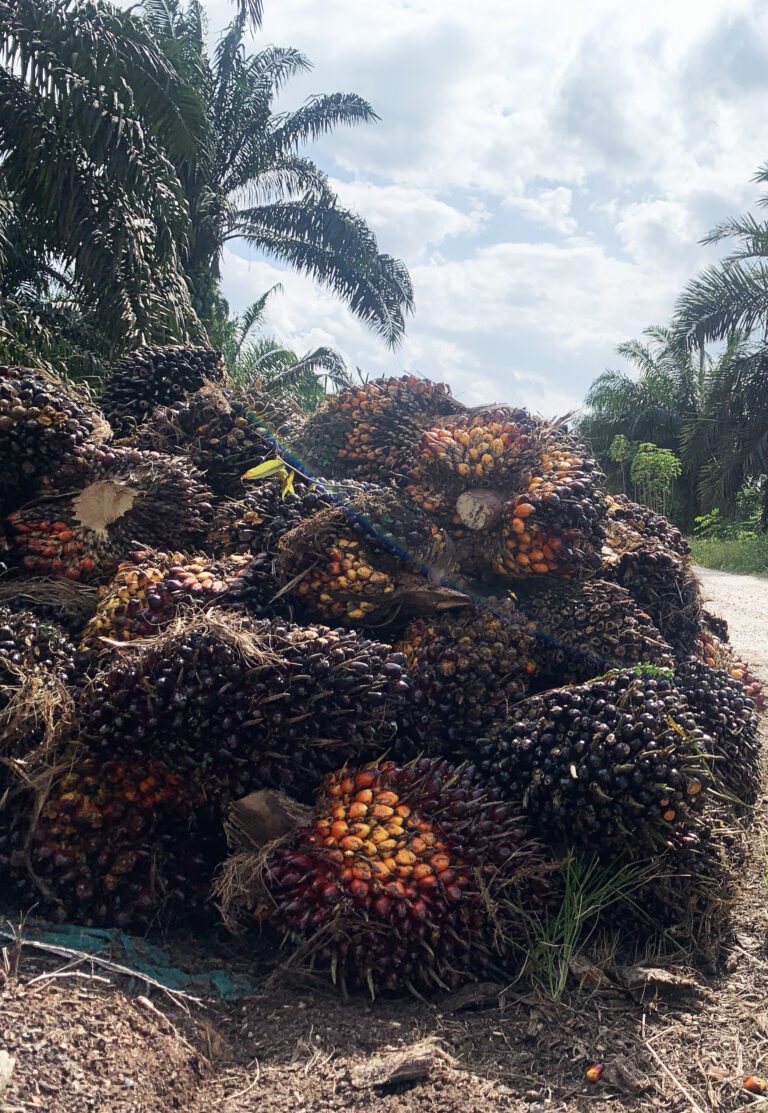
Despite making public commitments to ‘no deforestation’, some of the world’s largest companies have been buying palm oil from a notorious plantation area in Indonesia which has experienced extensive forest destruction.
On Wednesday (19 November), EU member states adopted a heavily weakened stance on the EU Deforestation Regulation (EUDR), proposing new delays and a review of the law before it is even in place.
These roll-backs undermine the EUDR’s purpose and risk turning a key anti-deforestation measure into a hollow political gesture ahead of another vote on the Commission’s proposal next week in the European Parliament.
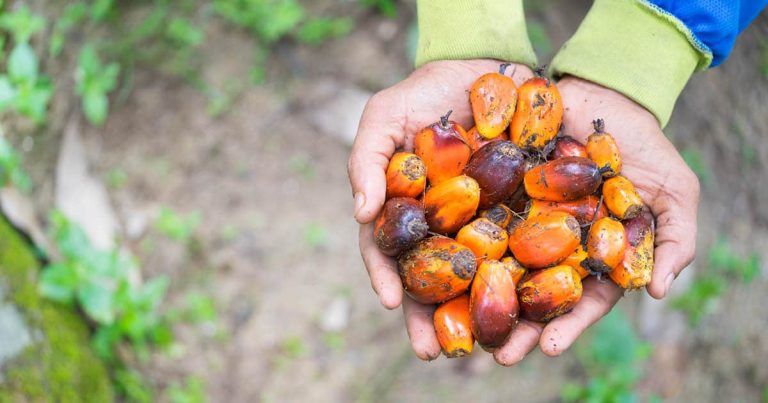
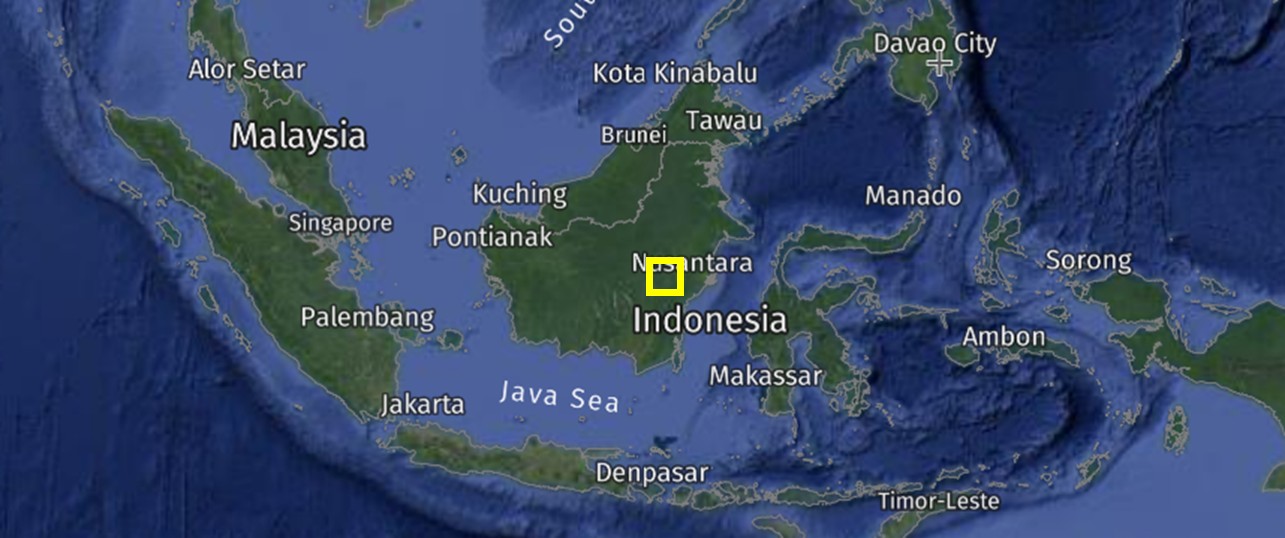
Indonesia is the world’s largest producer of palm oil, an ingredient found in countless everyday products from food and soap to fuel. The EU is one of the top importers of palm oil.
The plantation area concerned is owned by PT Borneo Citra Persada Jaya and has been one of the country’s most notorious deforestation hotspots. The company has been ranked as one of Indonesia’s top palm-oil-linked deforesters almost every year since 2018, including in 2024, and has now cleared nearly all the forest in its area.
But despite this, major companies have been sourcing from this area by purchasing palm oil from the mill located inside it – PT Agro Manunggal Selaras.
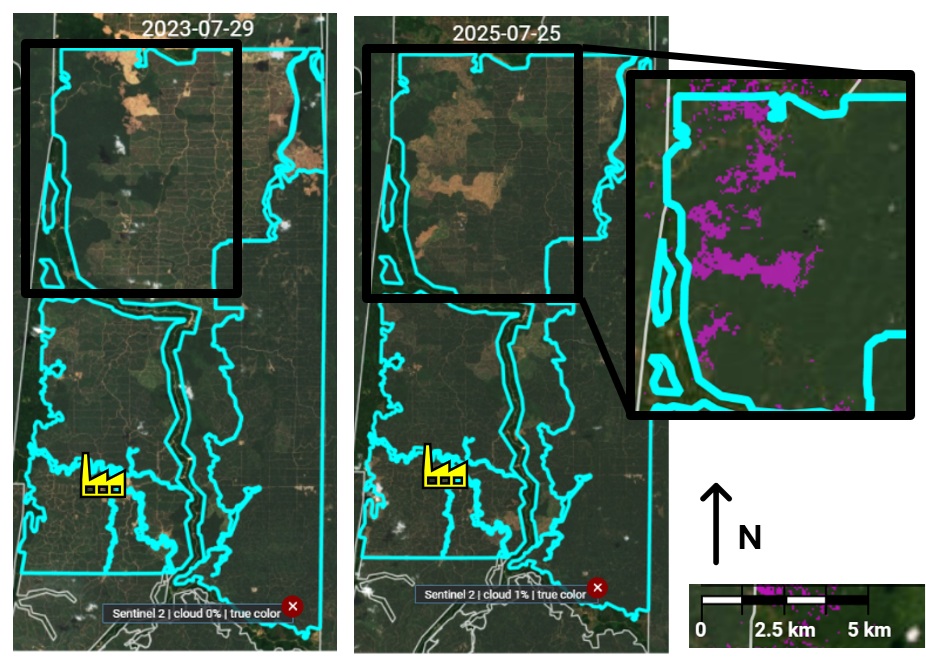
Satellite images showing forest clearance in PT Borneo Citra Persada Jaya palm oil concession (17,927 hectares area highlighted in turquoise) from 2023 and 2025 in East Kalimantan, Indonesia. The black box highlights the greatest deforestation in recent years, with the pink area highlighting the deforestation since 2024. The yellow factory symbol shows the PT Agro Manunggal Selaras palm oil mill. Source: Nusantara Atlas and Google Earth
The companies buying from the mill include some of the world’s largest palm oil traders, such as Wilmar and SD Guthrie, as well as European-headquartered firms such as major chemical company Oleon in Belgium and Dutch dairy company Friesland Campina.
Six of the companies appear and rank highly on Forest 500, which identifies and assesses the most influential companies with exposure to deforestation.
The palm oil plantation PT Borneo Citra Persada Jaya is also infamous for being part of the New Borneo Agri (NBA) Group, which has been repeatedly highlighted for its bad practices and alleged to function as a ‘shadow company’ secretly controlled by First Resources, a tactic used to evade sustainability commitments such as no-deforestation policies. These issues were detailed in EIA’s recent report A Family Affair.
The companies buying from the mill have been failing to conduct adequate due diligence by allowing deforestation-linked palm oil to enter their supply chains.
Despite their own deforestation-free pledges and systems designed to detect deforestation, they have listed the PT Agro Manunggal Selaras mill, which sits within an active deforestation zone, as a supplier.
EIA contacted all the companies which list sourcing from the mill but to date none could explain how this mill came to be in their supply chains in the first place when they have ‘no deforestation’ commitments.
The situation underscores the urgent need to implement the EUDR as palm oil from this area would be in violation of the EUDR.
The landmark legislation, long campaigned for by EIA, will require companies placing forest-risk commodities on the EU market – including palm oil – to conduct due diligence ensuring products are not sourced from land deforested after 2020 or produced illegally. It would transform due diligence from a voluntary effort into a legal obligation.
Currently, companies’ deforestation commitments vary in scope and target dates and, crucially, are voluntary, leading to inconsistent progress and application.
Equally, voluntary certification schemes such as the Roundtable on Sustainable Palm Oil (RSPO) have persistent compliance issues and enforcement gaps, as EIA’s Watchmen reports have highlighted. Without mandatory standards, there is no guarantee of real progress or accountability.
Implementation of the EUDR has already been delayed by a year from the original start date at the end of 2024 to the end of 2025.
This autumn, the European Commission proposed weakening the law under the banner of ‘simplification’ and new calls have emerged for further delay from member states.
EIA, together with nearly 100 other NGOs, is urging EU lawmakers to implement the regulation on schedule and without weakening amendments. For a year, governments have bartered delays and exemptions, changing the goalposts every few months and denying businesses the much-needed clarity for deforestation-free supply chains.
This case makes the message clear – the EUDR must be enforced without delay or watering down to ensure companies source only legal, deforestation-free palm oil and are held accountable when they fail to do so.
The following companies have all listed sourcing from the mill – PT Agro Manunggal Selaras – on their most recent publicly available palm oil mill lists. EIA has contacted them all for a response.