
A Pivotal Player
Vietnam’s ongoing fight against the illegal wildlife trade
EIA’s research, conducted over the past two years, reveals the continued online availability of at least 88 traditional Chinese medicine (TCM) products stated to contain leopard, pangolin and, in a few cases, tiger and rhino, manufactured by 72 Chinese companies which have been licensed by the National Medical Products Administration of China.
The illegal wildlife trade corridor between Nigeria and Vietnam was recognised in the Elephant Trade Information System (ETIS) report to CoP18 and the 2020 United Nations Office on Drugs and Crime (UNODC) World Wildlife Crime Report, which identified Nigeria and Vietnam as the largest export hub and import hub of ivory and pangolin scales respectively. This briefing highlights the parallel responsibilities and shortcomings of Nigeria and Vietnam which, as exporter and importer countries, share responsibilities to implement their commitments under CITES effectively and cohesively.
For a decade, Vietnam has been repeatedly highlighted for its role in the international illegal wildlife trade, so it is encouraging to see the recent efforts taken by the Government to address its involvement; it is to be congratulated for the measures it has taken and the successes it has had domestically.
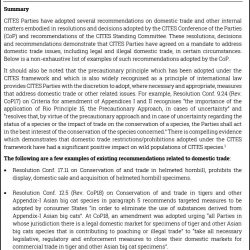
These resolutions, decisions and recommendations demonstrate that CITES Parties have agreed on a mandate to address domestic trade issues, including legal and illegal domestic trade, in certain circumstances. Below is a non-exhaustive list of examples of such recommendations adopted by the CoP.
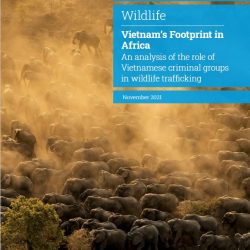
Despite the rapid proliferation of organised Vietnamese wildlife trafficking networks driving illegal wildlife trade globally, the response from the Government of Vietnam has been inadequate and disproportionate to the scale of wildlife trafficking implicating Vietnamese criminal groups.