
National Ivory Action Plan Process (SC79 Doc. 6.6)
The NIAP process is vital to combat ivory trafficking. EIA urges SC79 to include UAE, monitor China, and escalate Angola and Mozambique to strengthen enforcement.
Our research from 2024 highlights that significant concerns remain regarding transparency, information sharing and criminal justice in the global fight against wildlife crime. This report is part of EIA's regular assessment and focuses on four themes, which build upon the findings of our previous work.
Asian elephants have been categorised as endangered for nearly four decades and their cross-border commercial trade has been banned for almost 50 years. The threats posed by human elephant conflict and habitat loss on the species have been well documented, although less systematic attention has been given to the threat of poaching and illegal trade.
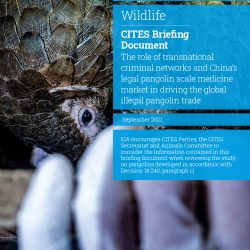
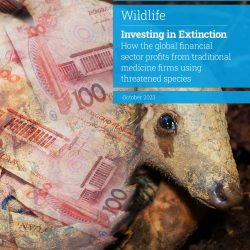
EIA’s research, conducted over the past two years, reveals the continued online availability of at least 88 traditional Chinese medicine (TCM) products stated to contain leopard, pangolin and, in a few cases, tiger and rhino, manufactured by 72 Chinese companies which have been licensed by the National Medical Products Administration of China.
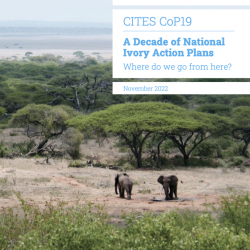
EIA has prepared a briefing document ahead of SC75 to analyse a) the progress made by a number of countries in the NIAP process and b) the Secretariat’s associated analyses of progress This document contains a number of EIA recommendations to SC75’
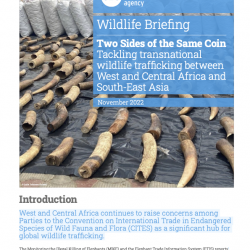
st and Central Africa continues to raise concerns among Parties to the Convention on International Trade in Endangered Species of Wild Fauna and Flora (CITES) as a significant hub for global wildlife trafficking.