
Appeal
Bycatch – a deadly toll on UK marine mammals
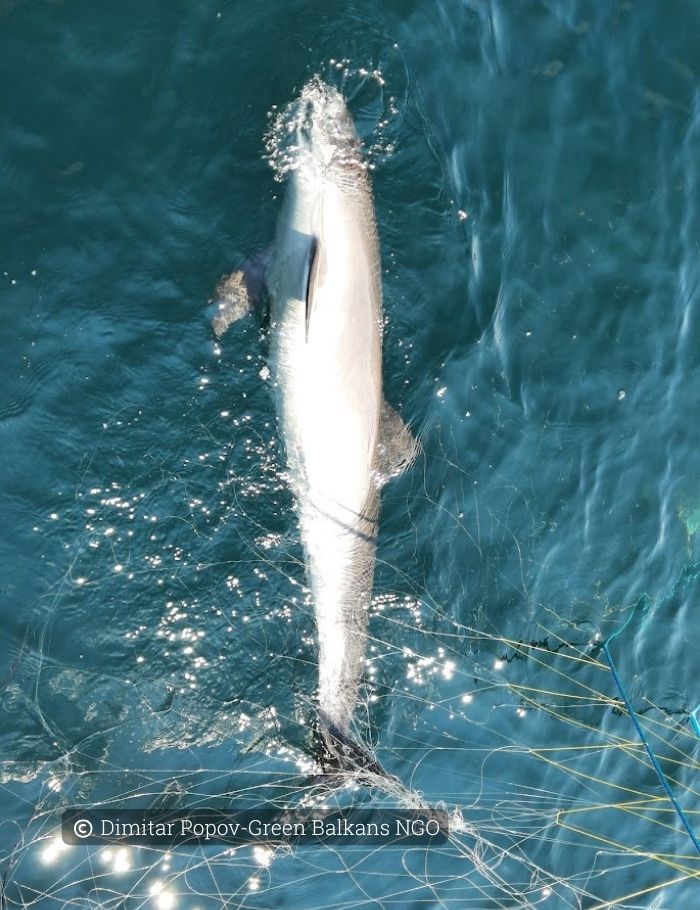
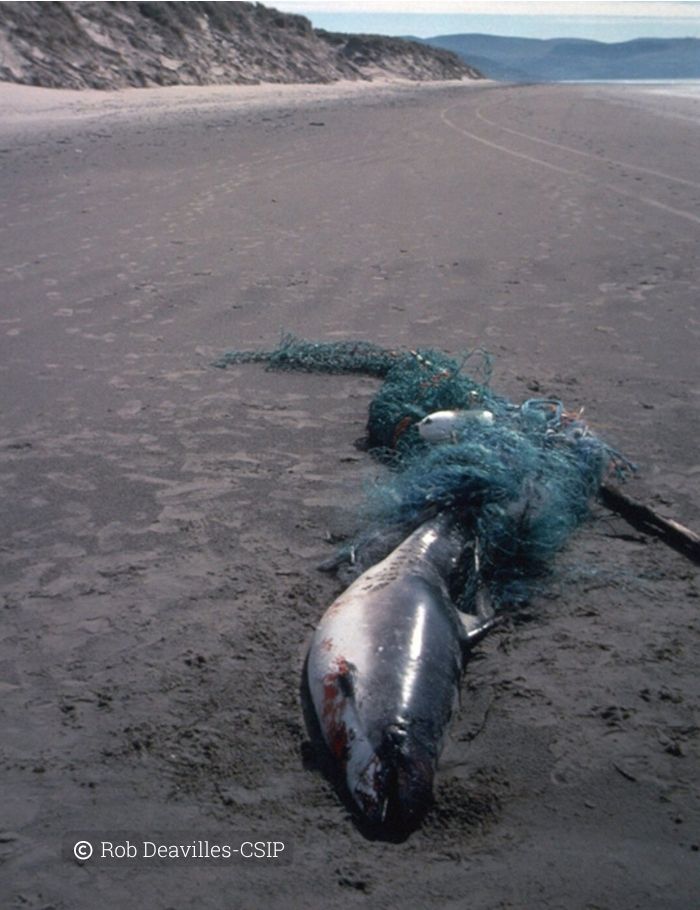
Every year, more than 1,000 whales, dolphins and porpoises are caught and killed in fishing gear in UK waters.
This 'bycatch' issue has been a problem for decades, but not enough is being done to prevent it. Bycatch is still causing too many animals to die a slow, painful death, undermining biodiversity and threatening the survival of marine species.
The main cause of bycatch is static nets used to target fish such as red mullet, bass, whiting and hake. The nets hang vertically in the water and can be many kilometres long, making it all too easy for marine mammals to become entangled.
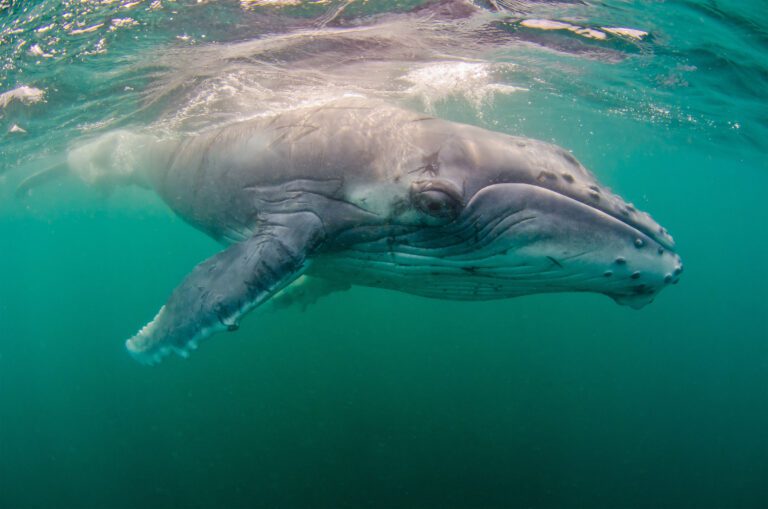
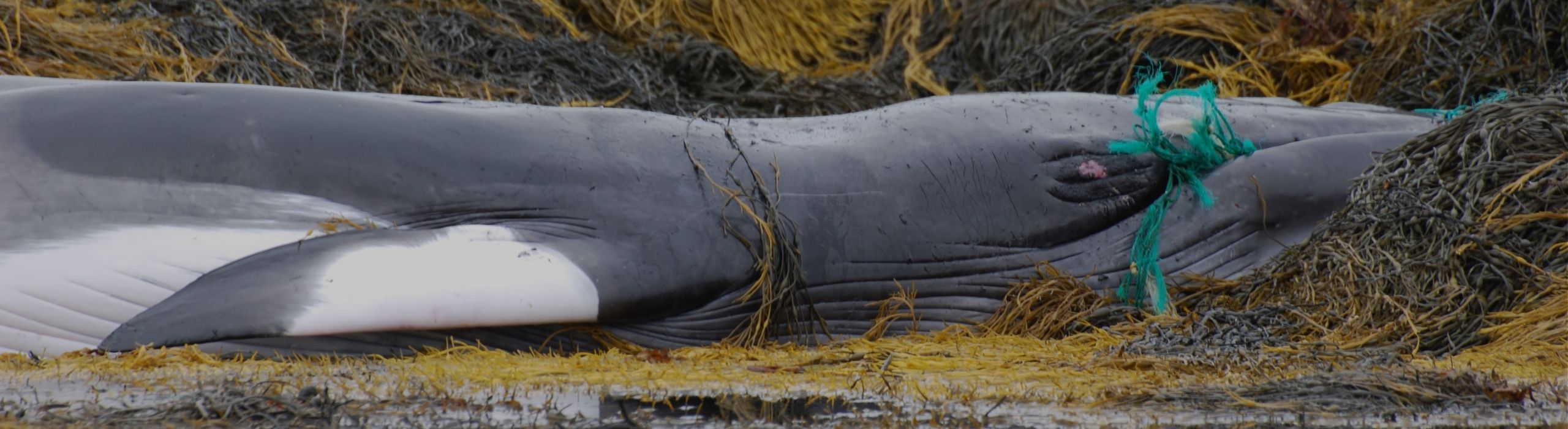
In Scottish waters, thousands of miles of rope attached to creel fishing pots pose a serious danger to minke and humpback whales. About six humpback and 30 minke whales are killed every year when they become caught up in fishing rope.
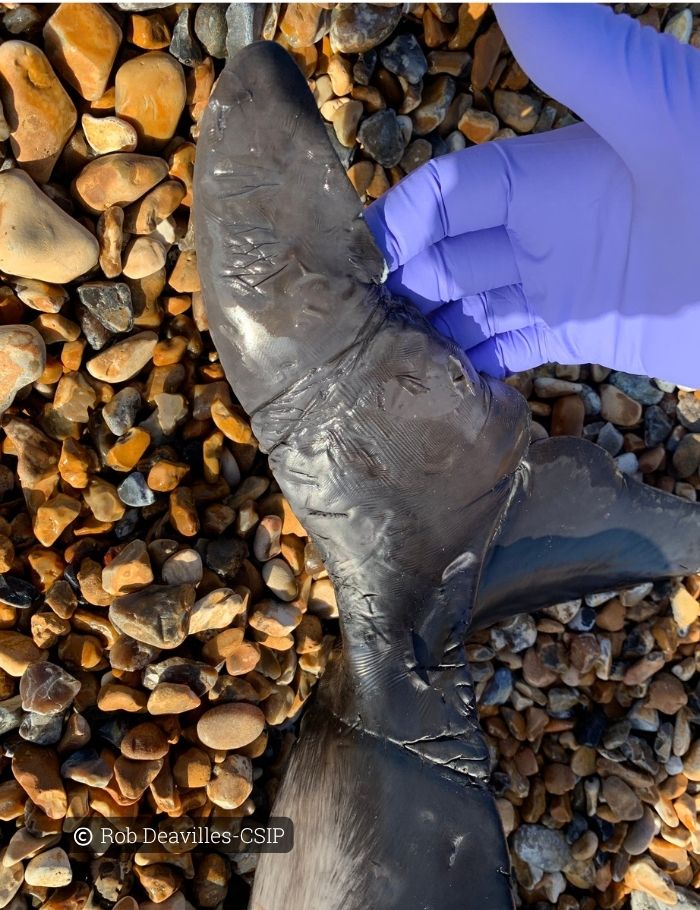
Often, the animals are found with rope wrapped around their heads or fins, with injuries visible on their bodies resulting from their efforts to escape.
Since our first whaling investigation in 1984, we have been committed to ensuring the survival of whales, dolphins and porpoises. We have proved that a small, dedicated organisation can make a world of difference.
Annual bycatch deaths
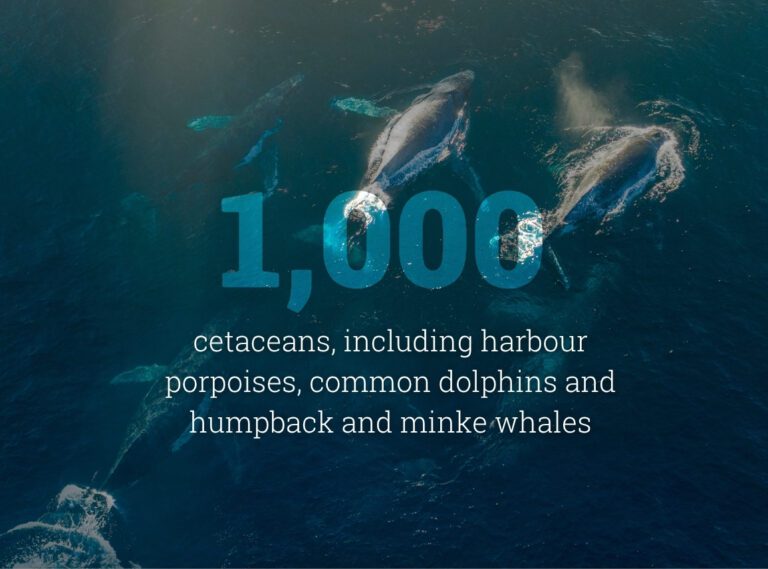
Cetaceans, the family of marine mammals that includes whales, dolphins and porpoises, are vulnerable to being caught and killed as bycatch. But they’re not the only animals at risk. Every year, in UK waters, bycatch kills more than:
 Cetaceans, the family of marine mammals that includes whales, dolphins and porpoises, are vulnerable to being caught and killed as bycatch. But they’re not the only animals at risk. Every year, in UK waters, bycatch kills more than:" height="" width="">
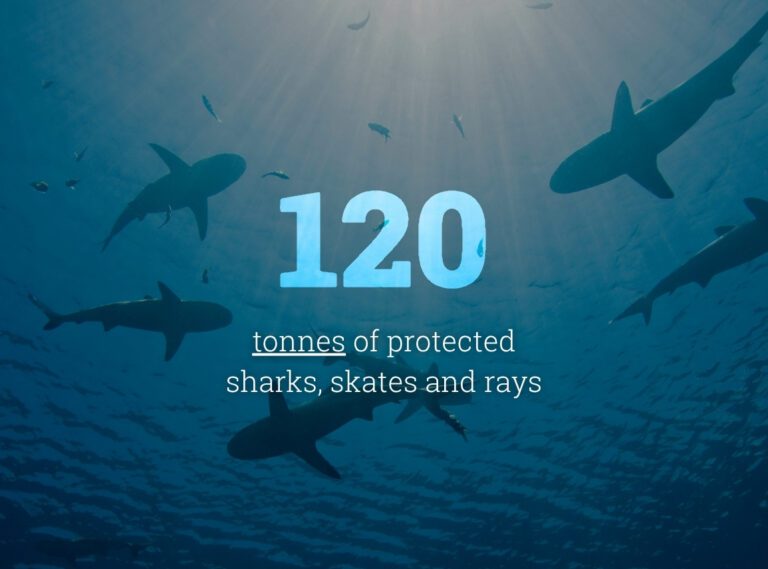 Cetaceans, the family of marine mammals that includes whales, dolphins and porpoises, are vulnerable to being caught and killed as bycatch. But they’re not the only animals at risk. Every year, in UK waters, bycatch kills more than:" height="" width="">
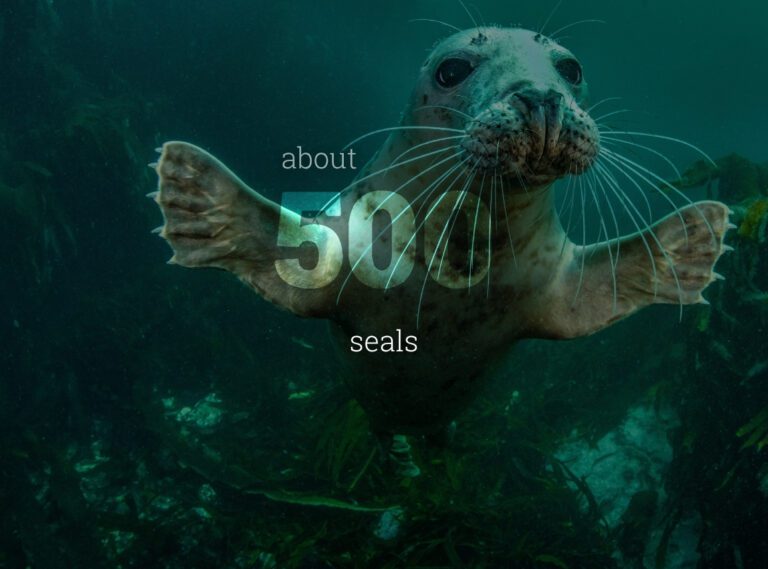 Cetaceans, the family of marine mammals that includes whales, dolphins and porpoises, are vulnerable to being caught and killed as bycatch. But they’re not the only animals at risk. Every year, in UK waters, bycatch kills more than:" height="" width="">
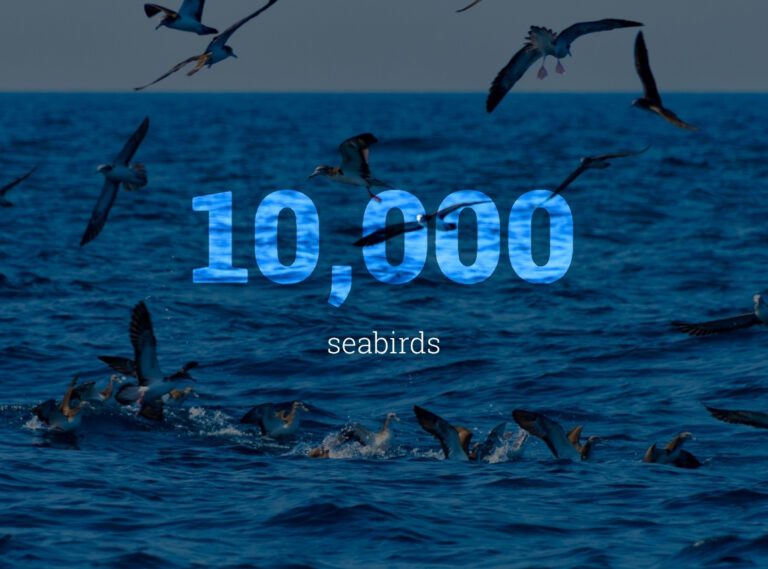 Cetaceans, the family of marine mammals that includes whales, dolphins and porpoises, are vulnerable to being caught and killed as bycatch. But they’re not the only animals at risk. Every year, in UK waters, bycatch kills more than:" height="" width="">
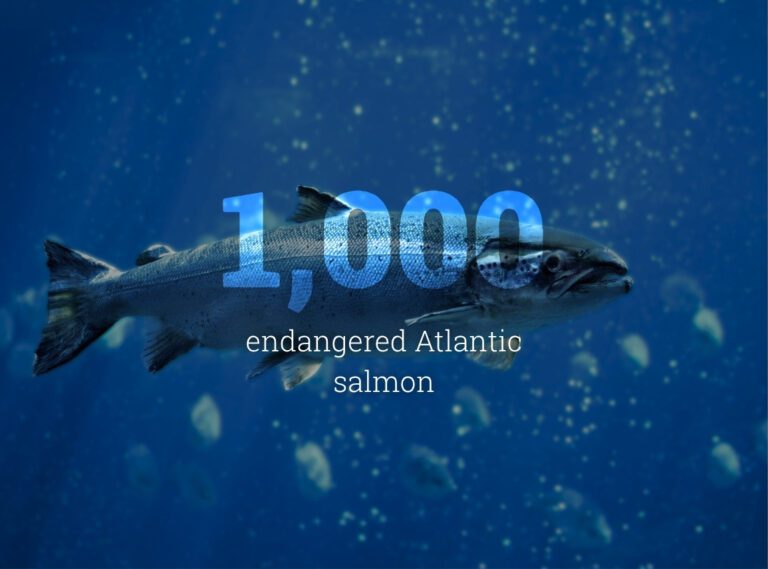 Cetaceans, the family of marine mammals that includes whales, dolphins and porpoises, are vulnerable to being caught and killed as bycatch. But they’re not the only animals at risk. Every year, in UK waters, bycatch kills more than:" height="" width="">
Marine life threatened by bycatch
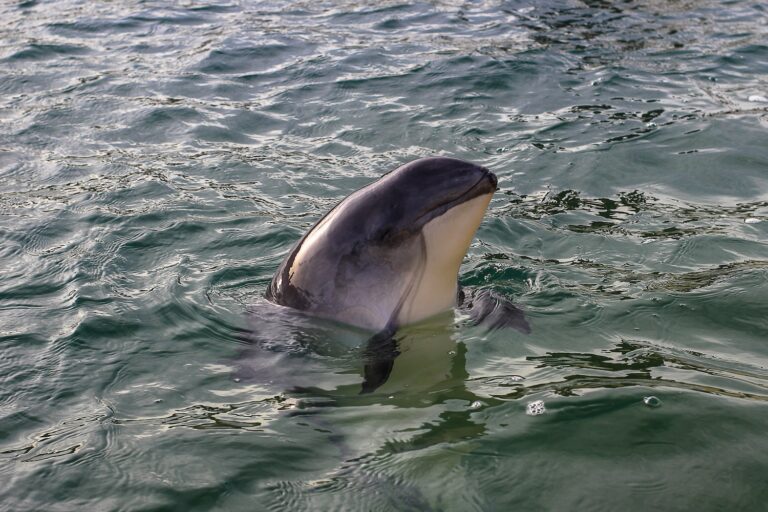
Harbour porpoises
The harbour porpoise is the UK’s smallest cetacean species. They’re very busy animals, always on the move searching for fish, and prefer to travel in small groups. If you see them surface, you might hear the distinctive ‘puffing’ sound they make. But the harbour porpoise’s habit of foraging near the seabed increases their chance of becoming entangled in fishing nets. Their numbers are currently in decline in the south-west of the UK, where bycatch levels are high.
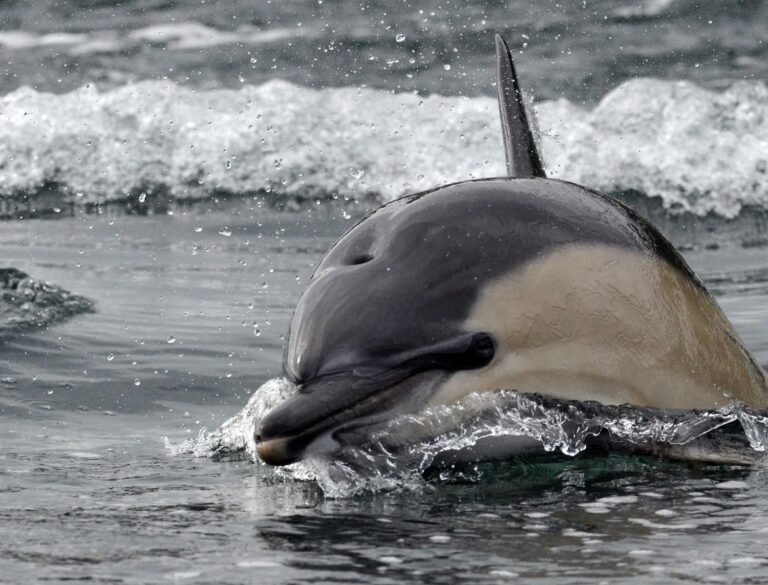
Common dolphins
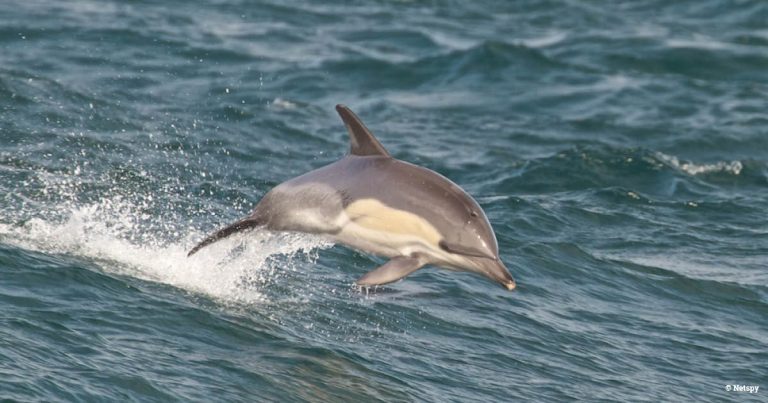
The common dolphin is a highly sociable, acrobatic mammal that travels in large groups, typically of 10-50 individuals. The south-west of England is the most intensively fished area in the UK and has been a hotspot for common dolphin deaths caused by fishing gear for decades.
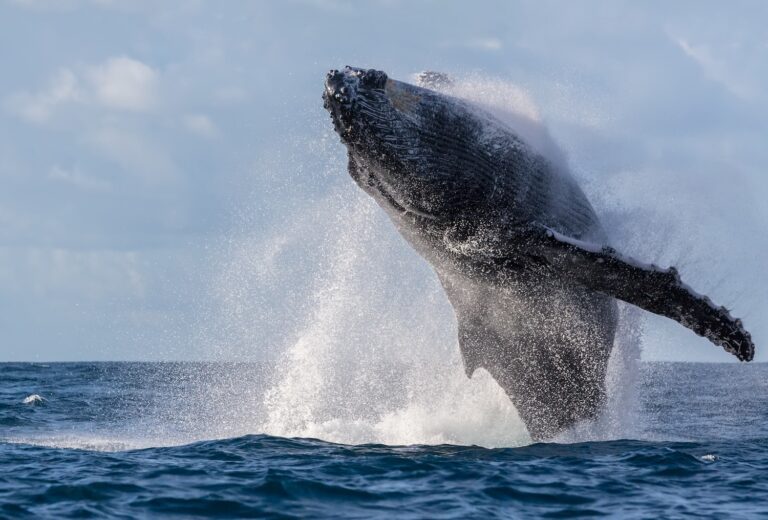
Humpback whales
Humpback whales are spectacular creatures, known for their acrobatic displays and for the complex songs the males sing during the breeding season. The best places to see a humpback whale in the UK are in the coastal waters off Scotland and north-east England. Humpback whales around the Scottish coast are vulnerable to being caught and killed by the ropes attached to creel fishing pots.
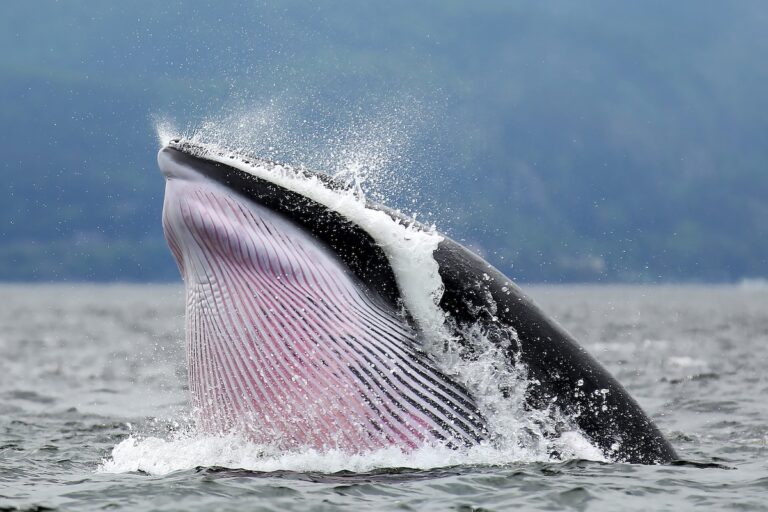
Minke whales
Minke whales are fast-moving and agile, able to cut through the water at up to 24 miles an hour. In the UK, you’re most likely to see them around Scotland, Northumberland and Yorkshire. They feed by rapidly lunging through shoals of fish, which increases the danger of them becoming entangled in creel ropes.
What’s the solution?
Static nets are responsible for most bycatch deaths in UK waters. Better solutions include fishing with alternative gears. In Scotland, some creel fishers are now using weighted ropes, which help to stop whales and basking sharks becoming entangled.
The UK and Scottish governments must do more to prevent the fisheries bycatch of whales, dolphins, porpoises, seals, seabirds and protected fish such as salmon and sharks.
The necessary laws are in place. Now, we’re calling on the UK Government to deliver for protected species, with a clear commitment as to how and when it will fulfil its promises to prevent bycatch.
And, together with other charities, fishers and government agencies, we're working to find solutions to the bycatch problem.
Please support our work to end bycatch and protect wildlife by donating today.