
China’s global push for traditional medicine must come with conditions for threatened wildlife
Chinese Government policy continues to legitimise the use of body parts of wildlife species threatened by trade in traditional Chinese medicine
Today is International Snow Leopard Day, a celebration of the beautiful and elusive big cat known as the ‘ghost of the mountain’. It is also a chance to renew focus on the price that illegal wildlife trade is exacting from this magnificent creature. The Snow Leopard Trust estimates there are somewhere between 3,290 and 6,390 […]
Governments from around the world meet in Geneva this week for one of the most important dates in the conservation calendar – and perhaps the last chance to save the world’s most threatened marine mammal
In a controversial decision questioned by wildlife scientists around the globe, the World Health Organisation (WHO) is set to formally recognise traditional Chinese medicine (TCM) for the first time
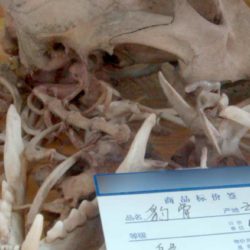
Last year we raised the alarm about a new Chinese Government policy which repealed a 25-year ban on use of tiger bone and rhino horn in traditional medicine. A document issued in March 2019 by the Government of Shaanxi Province appears to implement the new policy and makes no reference to the November 2018 claims that a full ban is in effect.
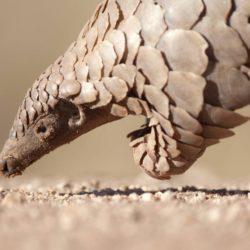
Members of China’s National People’s Congress, the country’s legislature, have made a public announcement to propose a ban on the use of pangolin products for traditional Chinese medicine (TCM).