
Wildlife Week: Wildlife crime devastates both the natural world and human society
After drugs, arms and human trafficking, transnational illegal wildlife trade is the fourth biggest criminal activity in the world
The annual UN International Anti-Corruption Day (9 December) provides an opportunity to reflect on whether the global community is making progress in curbing this persistent and pernicious crime – and in terms of the prevalence of corruption as a key enabler of environmental crime, the overall prognosis is not good.
The talent in our Forests team allows for research and analysis along with the ability to sustain relationships and networks. Knowing when to release information and what to do afterwards – this is as important as the release of the information itself
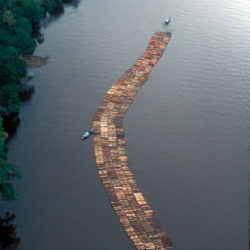
Looking back into a past of chaos, corruption and crime, Indonesia has clearly come a long way in reforming its timber sector. During the 1990s and early 2000s, illegal logging was so widespread that more than 70-80 per cent of timber produced in Indonesia was sourced illegally
When we buy our sugar, coffee, chocolate, leather, burgers, soy milk or wooden garden chairs we may be helping to fund deforestation. It's estimated that 53 per cent of those areas cleared in recent decades have been for agricultural commodities, as a result the EU has become a major driver of deforestation
EIA has worked with some of the most dedicated groups, individuals and communities over the past two decades to ensure that valuable timber species are included in addressing transnational crime and that forests are seen as part of the international sustainable development agenda